Why Builders Choose Ductless HVAC for New Construction
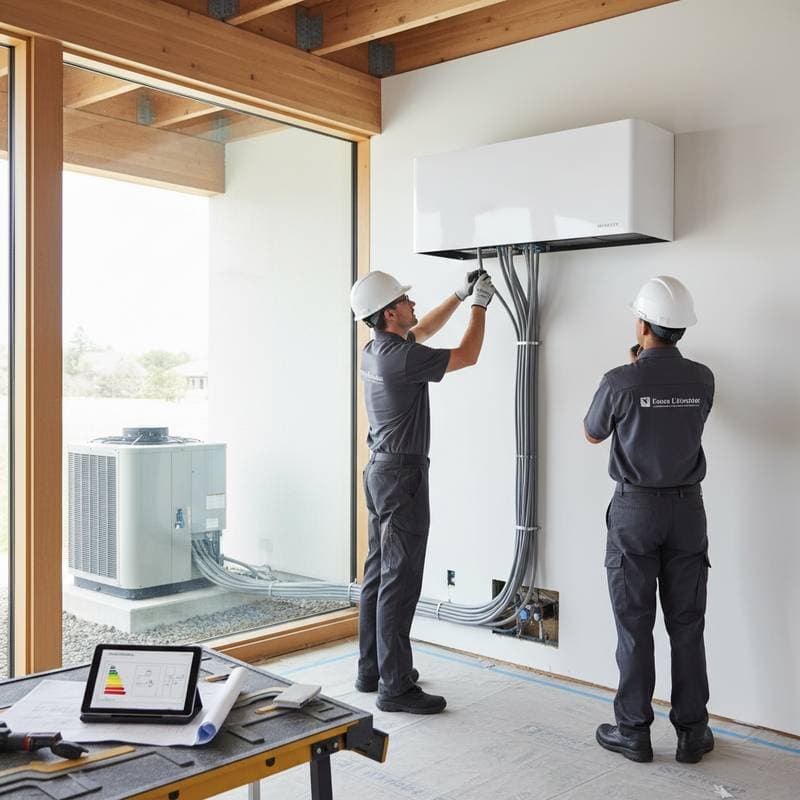
Modern builders select ductless HVAC systems for new construction projects because these solutions deliver efficient heating and cooling without traditional ductwork. Installation proceeds faster, maintenance proves simpler, and energy use decreases compared to conventional setups. As energy codes evolve and homeowners seek enhanced comfort, ductless systems emerge as the optimal option for innovative builders.
Cost Overview of Ductless HVAC Systems
The total installation cost for a ductless HVAC system ranges from $3,500 to $8,000, influenced by system size, zone count, and brand. Single-zone mini-splits cost $2,000 to $4,500, while multi-zone systems range from $5,000 to $12,000. Builders value the elimination of ductwork, which shortens labor time and simplifies construction.
| Service Type | Average Cost |
|---|---|
| Single-zone mini split | $2,000 to $4,500 |
| Multi-zone mini split | $5,000 to $12,000 |
| Ceiling cassette system | $4,000 to $9,000 |
| Wall-mounted split unit | $2,500 to $6,000 |
| Whole-home ductless setup | $8,000 to $15,000 |
| Metric | Amount |
|---|---|
| National average cost | $6,000 |
| Minimum cost | $2,000 |
| Maximum cost | $15,000 |
| Average cost range | $3,500 to $8,000 |
Reasons Builders Prefer Ductless Systems for New Homes
Faster Installation and Reduced Labor Costs
Ductless systems eliminate the need for extensive ductwork or ceiling alterations, allowing builders to complete installations more quickly. Each indoor unit requires only a few hours to mount and connect. This approach keeps projects on schedule and cuts labor costs by up to 30 percent relative to traditional HVAC installations.
Energy Efficiency to Meet Current Codes
Rising energy standards demand high-performance systems, and ductless HVAC units comply effectively. Inverter-driven compressors modulate output to match real-time needs, which reduces overall energy consumption. Consistent temperatures result without excessive power draw.
Design Flexibility and Zone Control
Independent operation of each unit enables precise temperature management in individual rooms. Builders create adaptable layouts with distinct comfort zones tailored to occupant preferences. This feature attracts buyers who prioritize personalized climate control.
Space Savings and Contemporary Aesthetics
Ductless units require minimal wall or ceiling penetrations, preserving interior space that ductwork would otherwise occupy. Sleek designs integrate seamlessly into modern interiors, suiting open-concept layouts and compact homes. Builders gain greater architectural freedom.
Factors Influencing Ductless HVAC Pricing
Several elements determine the final cost of a ductless system.
- System size: Larger properties or additional zones necessitate more indoor units, increasing expenses.
- Efficiency rating: Units with higher SEER values demand greater initial investment but yield reduced energy bills over time.
- Installation complexity: Extended refrigerant lines or challenging access points elevate labor charges.
- Brand and warranty: Established brands with comprehensive warranties command premium prices yet provide superior durability.
- Indoor unit type: Basic wall-mounted options remain economical, whereas ceiling cassettes or floor units incur higher costs.
- Electrical upgrades: New circuits or panels may add $300 to $800 to the budget.
- Climate region: Structures in harsh environments often require enhanced capacity or supplementary heating, modestly raising prices.
Additional Costs in New Construction Projects
Beyond the core system, builders account for related expenses.
- Electrical wiring and disconnect boxes
- Permits and inspections
- Mounting hardware and line set covers
- Condensate pumps or drains
- Optional Wi-Fi thermostats or smart controls
These components typically add $500 to $1,500, varying with project specifics.
Maintenance and Long-Term Savings
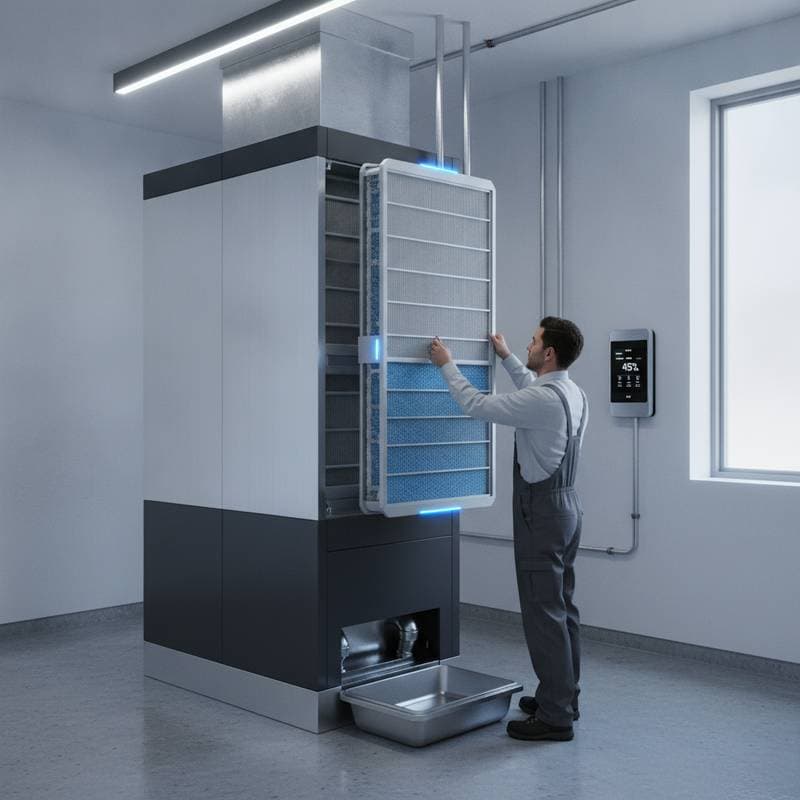
Ductless systems require minimal upkeep, primarily involving filter cleaning every one to three months to ensure optimal airflow. Professional servicing once annually prevents issues and maintains efficiency. Over time, lower energy bills and reduced repair frequency generate substantial savings, often recouping upfront costs within five to seven years.
Repair Versus Replacement Decisions
Minor repairs, such as refrigerant recharges or component fixes, cost $200 to $1,000 and extend system life. Major failures, like compressor breakdowns, may exceed $2,000, prompting replacement consideration. Builders evaluate unit age, warranty coverage, and energy performance to decide between repair and full replacement, prioritizing cost-effective longevity.
Strategies for Cost Savings in Ductless Installations
Builders and homeowners implement practical steps to minimize expenses.
- Schedule installation during the framing stage to facilitate straightforward line routing.
- Select ENERGY STAR certified models to qualify for rebates and incentives.
- Properly size the system to prevent unnecessary capacity expenditures.
- Maintain clean filters to enhance airflow and operational efficiency.
- Obtain quotes from multiple licensed HVAC professionals.
- Combine HVAC work with electrical or insulation tasks to secure bulk discounts.
Integrating Ductless HVAC into Your Build
Ductless systems align with priorities for efficiency, speed, and versatility in new residential developments. From single-family homes to multi-unit complexes, these installations deliver enduring comfort alongside decreased energy and upkeep demands. Consult certified experts to customize solutions for specific project needs.