Wildfire Smoke HVAC Upgrades Worth Installing
When wildfire smoke turns the outdoors hazy, you may notice a sharp odor indoors, scratchy eyes, or dust settling near supply vents. From my years in the field, I have seen homeowners run their air conditioners nonstop during smoky stretches, only to discover that a standard filter cannot capture the smallest particles or that a restrictive upgrade strains the system.
A few targeted changes can improve indoor air quality without sacrificing airflow. The key is matching filtration to your HVAC equipment, sealing obvious leak paths, and using a clean room as a backup when outdoor air gets especially poor.
Start With the Filter Your System Can Handle
A MERV rating measures how effectively a filter captures particles. A MERV 13 filter can capture a high share of fine airborne particles, including many smoke particles, but it also creates more resistance than a basic filter. That added resistance can reduce airflow if your furnace or air handler was not designed for it.
As an HVAC expert, I recommend checking the equipment manual or asking a technician before switching to MERV 13. A filter that fits the slot but chokes airflow can contribute to coil icing, overheating, or higher energy use.
- Find your current filter size and rating. Check the filter frame and system manual.
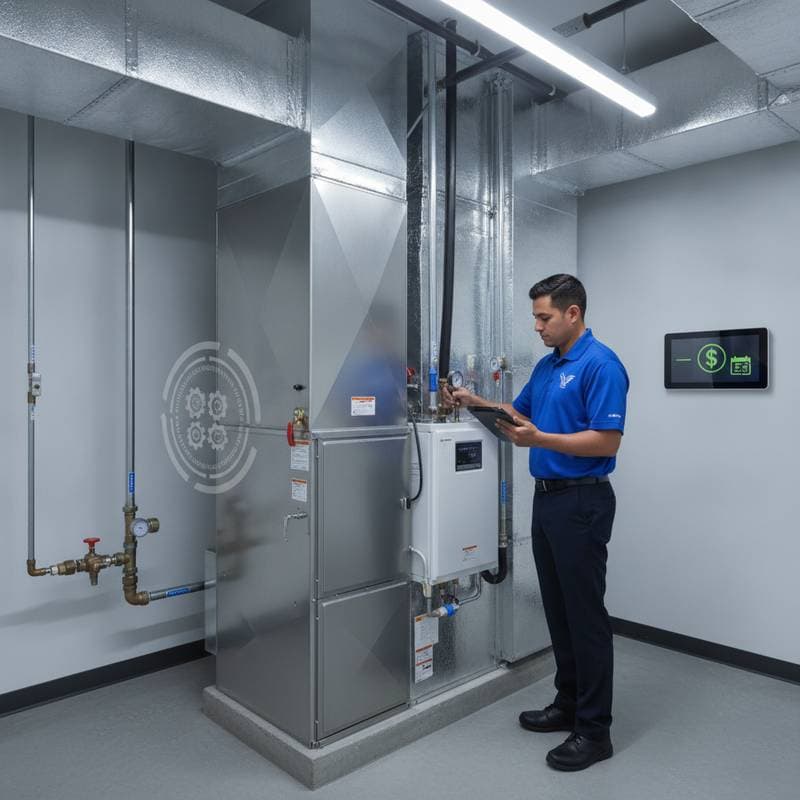
- Ask whether your blower can support MERV 13. A technician can measure static pressure, which indicates how hard the blower must work to move air.
- Use the highest compatible rating. If MERV 13 is too restrictive, a quality MERV 11 filter may be a safer step up.
- Replace filters more often during heavy smoke. Check weekly, and change the filter when it looks loaded or airflow drops.
Consider Whole Home Filtration
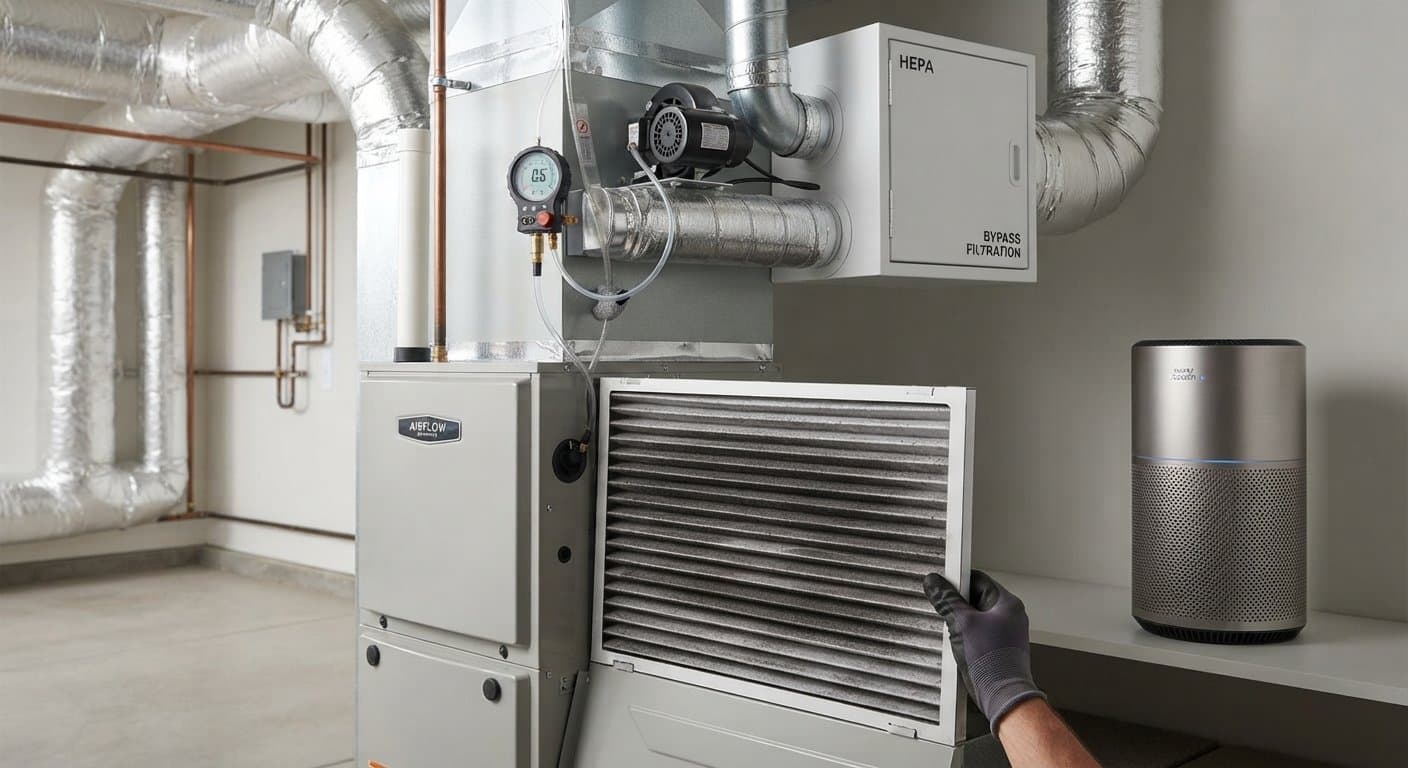
If smoke regularly reaches your neighborhood, a whole home media cabinet can hold a deeper filter than the thin filter slot built into many systems. The larger surface area allows stronger particle capture with less airflow resistance. Installation commonly costs about $500 to $1,500, depending on duct changes and equipment access.
A whole home HEPA system can capture very fine particles, but it usually needs a dedicated bypass duct and careful design. HEPA filters are highly restrictive, so placing one directly in a standard furnace or air conditioner can damage performance. Expect a professionally installed bypass system to cost roughly $1,000 to $3,000 or more.
As one certified indoor air quality technician told me, "The best filter is the one your system can move air through safely." That advice is worth remembering before buying a high-rated filter online.
Seal Leaks and Add Portable Backup
Smoke can enter through gaps around return ducts, attic connections, and poorly sealed doors. A contractor can seal duct leaks with approved materials and test system airflow. Avoid ordinary cloth duct tape, which often fails under heat and age.
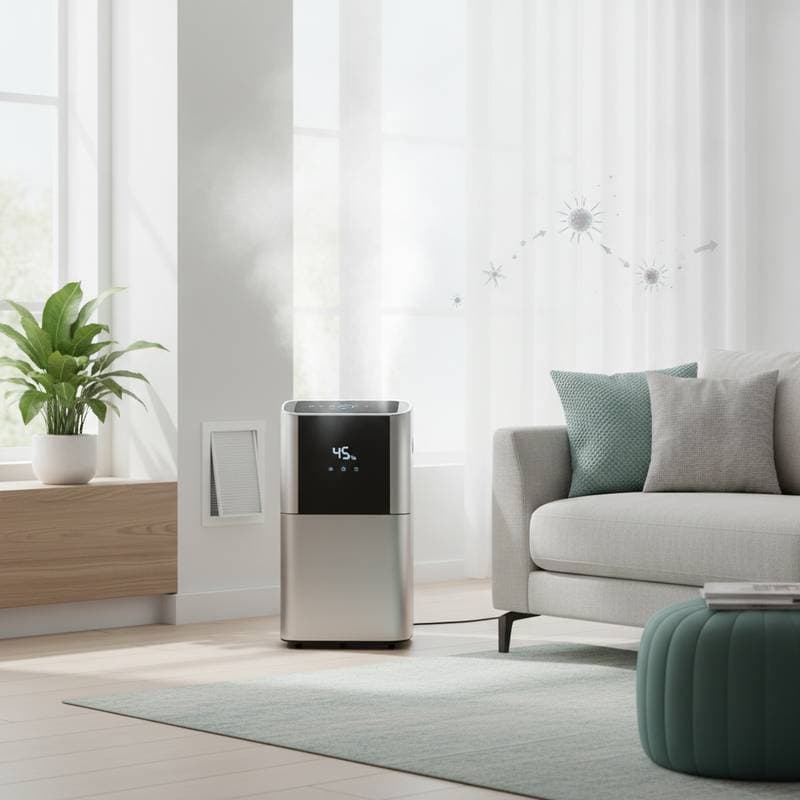
For a bedroom or living area, a portable air cleaner with a true HEPA filter gives you a useful backup. Choose a unit sized for the room, and run it continuously during smoky conditions with doors and windows closed. Avoid ozone generators, which can irritate lungs and do not provide safe smoke removal.
Practical upgrades to prioritize include:
- A well-fitted, compatible MERV 13 filter
- A deep media cabinet when the existing filter slot is restrictive
- Duct sealing around accessible return connections
- A correctly sized portable HEPA cleaner for a clean room
Use Your HVAC System Wisely During Smoke
Keep windows and exterior doors closed when outdoor air is smoky. Set the fan to "on" only if your system has effective filtration and the filter remains clean. On some equipment, continuous fan operation can pull air through a dirty filter for long periods, so "auto" may be the better setting.
If your system has a fresh air intake, ask a technician how to close or control it during smoke events without affecting combustion safety or required ventilation. Never block a furnace flue or combustion air opening. Carbon monoxide risk is urgent: leave the home and call emergency services if an alarm sounds or anyone experiences dizziness, nausea, or confusion.
Budget, Installation, and Your Next Steps
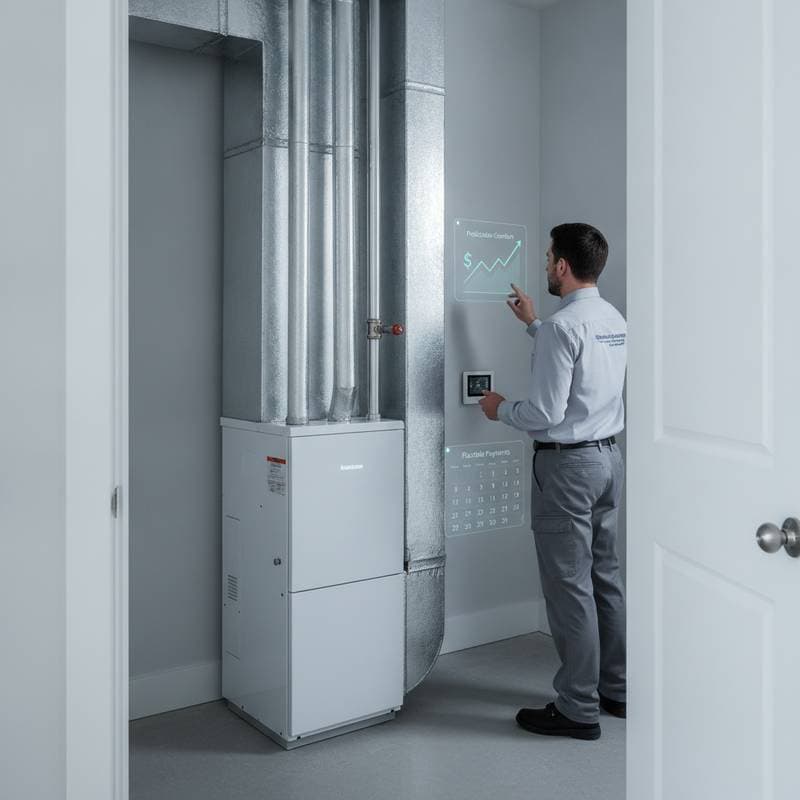
A basic filter upgrade may cost under $50, while filtration cabinets, duct work, and HEPA equipment require a larger investment. Costs depend on access, duct layout, and local labor. Ask for a written scope that includes filter compatibility, airflow testing, and permit requirements when electrical or duct modifications are involved.
Reach out to a vetted HVAC professional through americanairhvac.net for a no-obligation quote and help comparing local options. A careful assessment can protect equipment while giving your family cleaner, more comfortable air.