The Rise of Ductless HVAC: Why 60% of Homeowners Choose Duct-Free Systems in 2025
Homeowners increasingly select ductless HVAC systems, with 60% making this choice over traditional ducted alternatives. These systems provide targeted heating and cooling without extensive ductwork. The average installation cost falls between $3,000 and $8,000, influenced by factors such as zone count, efficiency levels, brand selection, and site-specific challenges.
| Service Type | Average Cost |
|---|---|
| Single-zone ductless system | $1,200 to $4,000 |
| Multi-zone ductless system | $5,000 to $12,000 |
| Ductless heat pump | $3,500 to $9,000 |
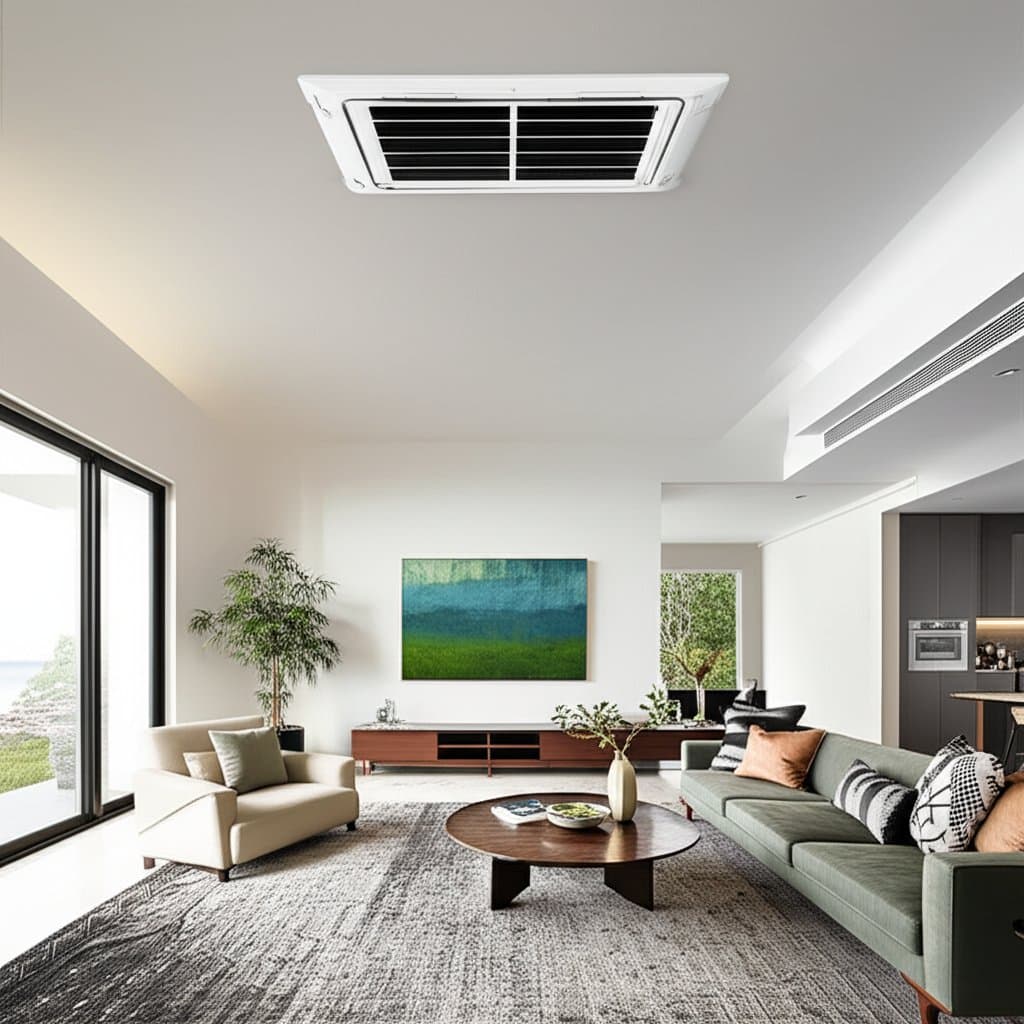
| Ceiling cassette system | $4,000 to $10,000 |
| Wall-mounted mini split | $2,000 to $6,000 |
| Metric | Amount |
|---|---|
| National average cost | $6,000 |
| Minimum cost | $1,200 |
| Maximum cost | $12,000 |
| Average cost range | $3,000 to $8,000 |
Cost data derives from industry research and reported project expenses.
Reasons for the Popularity of Ductless HVAC Systems
Ductless HVAC systems deliver precise temperature management in individual rooms, bypassing the need for invasive duct installation. As energy prices climb and efficiency becomes a priority, these units minimize waste and decrease utility expenses. They suit older residences lacking ducts or new additions where duct extension proves costly.
The ability to condition only occupied spaces stands out as a primary benefit. Users value the reduced noise levels and sleek aesthetics that integrate seamlessly into various home designs.
In-Depth Cost Analysis
Pricing for ductless HVAC varies based on property size and requirements. The following outlines typical configurations and their installed costs.
| Configuration | Average Installed Cost |
|---|---|
| Studio or small apartment (1 zone) | $2,000 to $4,000 |
| Two to three zones (medium home) | $4,500 to $8,000 |
| Four or more zones (large home) | $8,000 to $12,000 |
| Replacement of existing ductless system | $3,000 to $6,000 |
Labor and Materials Breakdown
Labor constitutes 30 to 50 percent of the total expense. Certified technicians handle refrigerant safely and use specialized equipment during setup. Materials encompass indoor and outdoor components, connecting lines, wiring, and supports.
| Cost Component | Average Cost |
|---|---|
| Labor | $1,500 to $4,000 |
| Equipment and materials | $2,000 to $7,000 |
| Electrical upgrades (if needed) | $300 to $1,000 |
Obtain estimates from local HVAC professionals to assess rates and identify optimal options.
Key Factors Affecting Ductless HVAC Costs
Multiple variables shape the overall price of a ductless installation. Awareness of these elements aids in precise budgeting.
- Number of zones: Each additional indoor unit increases costs by $1,000 to $3,000, enhancing control at a premium.
- System capacity: Higher BTU ratings for larger areas raise expenses due to greater power demands.
- Efficiency rating: Units with superior SEER scores demand higher initial investment yet reduce energy consumption by up to 30 percent.
- Brand quality: Established names such as Mitsubishi or Daikin command premiums for durability, warranties, and innovations.
- Installation complexity: Multi-level structures or inaccessible locations extend labor duration and fees.
- Electrical upgrades: New circuits or panels add $300 to $1,000 or more.
- Climate considerations: Extreme weather regions require robust heat pumps, elevating totals.
- Rebates and incentives: Government or utility programs offset costs, potentially by $500 or greater.
Additional Expenses and Enhancements
Installation extends beyond core components, incorporating ancillary services that impact the budget.
| Related Service | Typical Cost |
|---|---|
| Old system removal | $200 to $500 |
| Permit and inspection | $100 to $300 |
| Wall repair or finishing | $150 to $400 |
| Smart thermostat integration | $200 to $600 |
| Annual maintenance contract | $150 to $350 per year |
Wi-Fi-enabled controls and thermostats enhance usability and efficiency. Routine servicing safeguards longevity and performance.
Essential Maintenance Practices
Regular care ensures ductless systems operate at optimal levels with minimal effort.
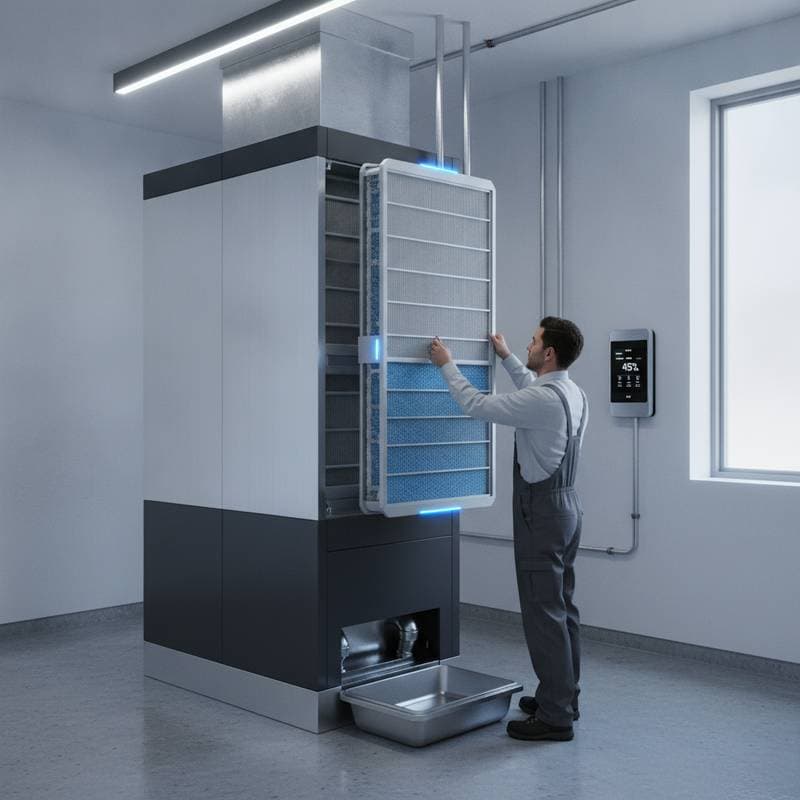
- Clean or replace filters every one to three months to sustain airflow.
- Clear debris and plants around outdoor units to prevent obstruction.
- Gently clean indoor vents and coils using a soft cloth.
- Arrange annual professional inspections for thorough checks.
- Monitor for refrigerant issues or abnormal sounds.
- Maintain clear condensate drains to avoid water buildup.
These practices sustain efficiency and avert expensive fixes.
Evaluating Repairs Versus Replacement
For aging ductless units showing inefficiency, weigh repair against full replacement. Expect 15 to 20 years of service with diligent upkeep. Opt for replacement when repairs surpass 40 percent of new system costs, or if issues like frequent failures, escalating bills, or inconsistent temperatures arise.
Strategies to Reduce Ductless HVAC Expenses
Thoughtful approaches lower both upfront and ongoing costs effectively.
- Solicit quotes from several contractors to evaluate options.
- Schedule installation in off-peak seasons for potential discounts.
- Pursue available rebates and tax incentives for efficient models.
- Select appropriately sized units to prevent unnecessary expenditure.
- Combine with other projects for bundled pricing.
- Perform consistent maintenance to sidestep major overhauls.
- Integrate programmable thermostats for precise energy management.
Common Questions About Ductless HVAC
How much does a ductless HVAC system cost?
Expect $3,000 to $8,000 on average, varying by zones and brand.
What is the primary benefit of a ductless system?
It offers zoned comfort without duct-related energy losses, which can reach 30 percent of output.
Is DIY installation advisable for ductless systems?
Professional setup is crucial for refrigerant safety, accurate sizing, and warranty validity.
How long do ductless systems endure?
They typically function for 15 to 20 years under regular maintenance.
Do ductless systems promote energy efficiency?
Affirmative; models exceeding 20 SEER reduce usage by up to one-third relative to central systems.
Can ductless systems handle both heating and cooling?
Contemporary heat pumps manage both functions reliably, even in cooler regions.
How frequently should filters receive cleaning?
Every one to three months, depending on usage and air quality.
Do ductless systems enhance property value?
Yes, their efficiency and modern appeal often increase resale potential.
Selecting Reliable HVAC Contractors
- Confirm licensing and insurance coverage.
- Review references and digital feedback.
- Inquire about manufacturer certifications.
- Demand itemized written proposals.
- Clarify labor and equipment warranties.
- Discuss project timelines.
- Explore maintenance agreements.
- Gather at least three bids for comparison.
Taking Action on Your HVAC Upgrade
Assess your home's needs and consult professionals to determine if a ductless system aligns with your goals. This investment promises sustained comfort, savings, and reliability for years ahead.