2025 Humidity Technology: Eliminate Mold and Allergy Challenges
As an HVAC professional, I have observed numerous homeowners facing recurring seasonal discomforts. They adjust thermostats meticulously, yet rooms remain sticky, musty, or excessively dry, leading to chapped skin. Temperature often receives blame, but humidity imbalance frequently serves as the true cause. Excess moisture fosters mold and dust mites, whereas insufficient levels exacerbate allergies and static electricity. Fortunately, emerging humidity-control technologies provide precise indoor air management, surpassing previous capabilities.
The Necessity of Humidity Regulation
Humidity levels fluctuate significantly across regions and seasons. Coastal residences often contend with persistent indoor mugginess despite active air conditioning, while inland or high-elevation homes experience arid conditions that irritate sinuses and damage wooden furnishings. Based on extensive field experience, inadequate humidity management ranks among the primary contributors to HVAC inefficiency and diminished indoor air quality.
Mold spores proliferate rapidly when humidity exceeds 60 percent. These spores infiltrate ductwork, drywall, and subflooring. Conversely, levels below 30 percent suspend allergens such as dust and pet dander in the air, aggravating respiratory conditions. Effective humidity control safeguards both structural integrity and occupant health beyond mere comfort.
HVAC specialist Lisa Grant notes, "Humidity influences indoor air quality subtly. It remains invisible, yet its daily impacts become evident."
Advancements Enabling Healthier Environments
Contemporary humidity solutions empower homeowners with superior oversight. Standalone dehumidifiers or portable humidifiers, limited to single rooms, no longer suffice. Integrated systems link seamlessly with HVAC infrastructure, employing sophisticated sensors and algorithms to sustain optimal humidity automatically. Such integration not only inhibits mold but also suppresses allergy-inducing particles.
Homeowners experiencing room-to-room inconsistencies or lingering damp smells benefit substantially from these developments. Beyond monitoring moisture, advanced systems forecast variations using weather data and occupancy patterns. Consequently, indoor environments remain stable amid abrupt climatic shifts.
Mechanisms of Intelligent Humidity Management
Current humidity technology integrates three core elements:
- Precision Sensors: These devices measure moisture in real time and relay data to the HVAC system.
- Central Dehumidifiers or Humidifiers: Positioned in ductwork, these components introduce or extract moisture as required.
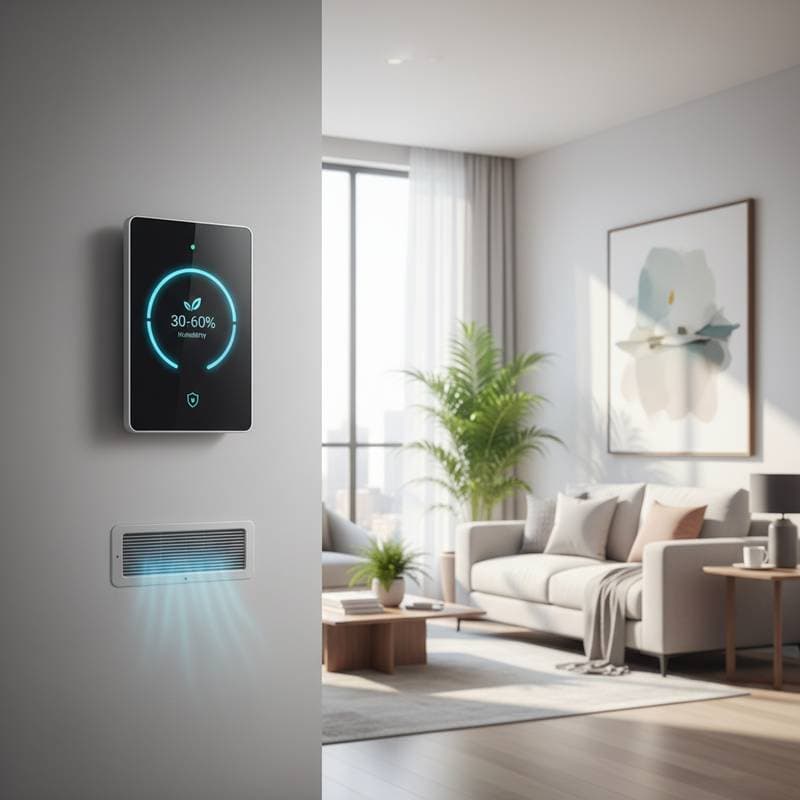
- Intelligent Controls: Thermostats and mobile applications enable remote oversight and adjustments.
This combination establishes a self-sustaining atmosphere, holding relative humidity between 40 and 50 percent. Envision it as automated guidance for optimal living conditions.
Prominent Innovations Shaping 2025
Adaptive Dehumidification Units
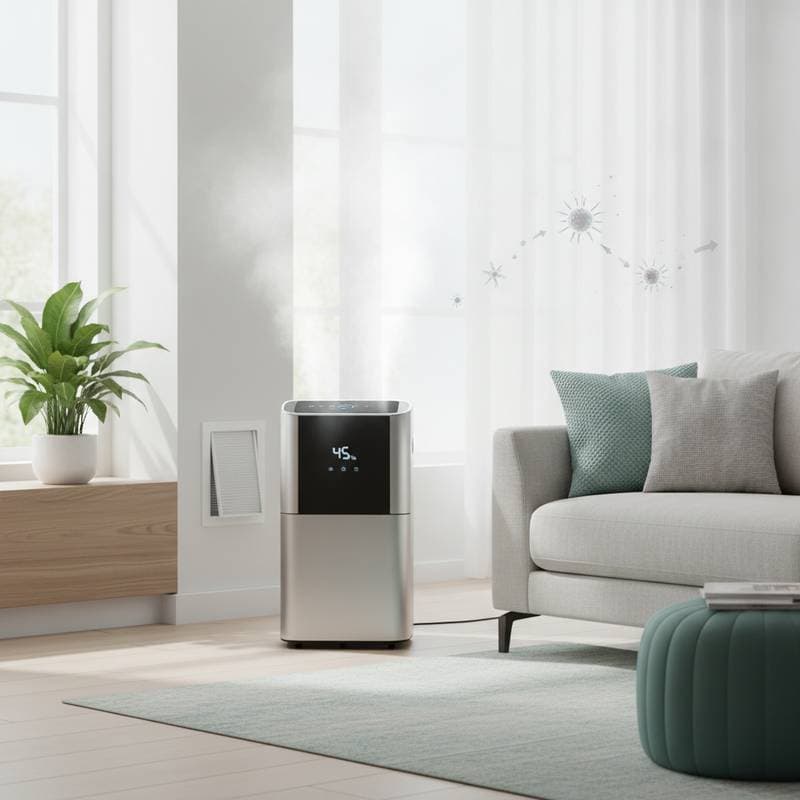
Conventional dehumidifiers operate at fixed rates until reaching targets. Newer adaptive versions adjust output according to specific home demands. For instance, during high-activity periods in kitchens or laundry spaces, the system intensifies dehumidification locally without desiccating adjacent areas.
Combined Air Filtration and Moisture Regulation
Leading manufacturers now unite purification with humidity functions in unified platforms. These configurations remove particulates while preserving balanced moisture. Households affected by asthma or seasonal sensitivities gain from air that circulates cleanly and evenly.
Forecasting Algorithms for Climate
Thermostats extend beyond thermal regulation to preempt humidity alterations. By evaluating internal patterns alongside regional forecasts, systems execute subtle corrections. This proactive method averts mold development and optimizes energy consumption.
Enhanced Compressor Efficiency
Improved compressor designs elevate dehumidification performance. Variable-speed models consume less power for small tweaks, achieving up to 30 percent energy reduction over traditional fixed-speed alternatives.
Guide to Enhancing Home Humidity Systems
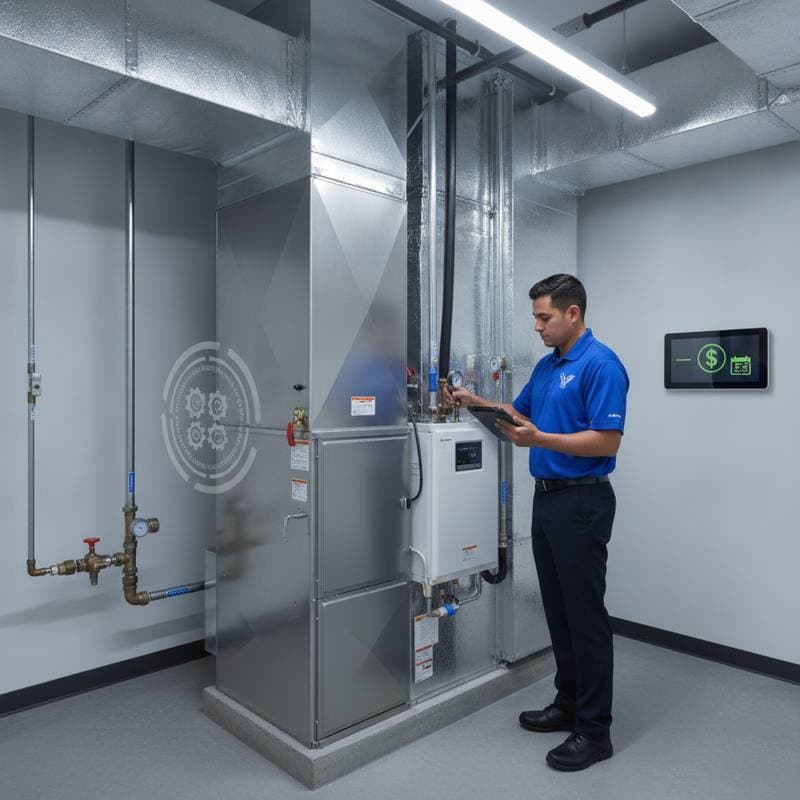
- Arrange a Specialist Evaluation: Engage a certified technician to gauge existing humidity and assess HVAC suitability.
- Select Appropriate Gear: Regional needs dictate choices, such as standalone dehumidifiers, humidifiers, or versatile hybrids.
- Incorporate Digital Interfaces: Link humidity tools to compatible thermostats for smartphone-based scheduling and surveillance.
- Secure and Insulate Ducts: Efficient airflow distribution prevents moisture disparities; seal leaks to promote uniformity.
- Establish Routine Upkeep: Program alerts for filter, coil, and drain maintenance to sustain operational effectiveness.
Strategies for Prolonging System Durability
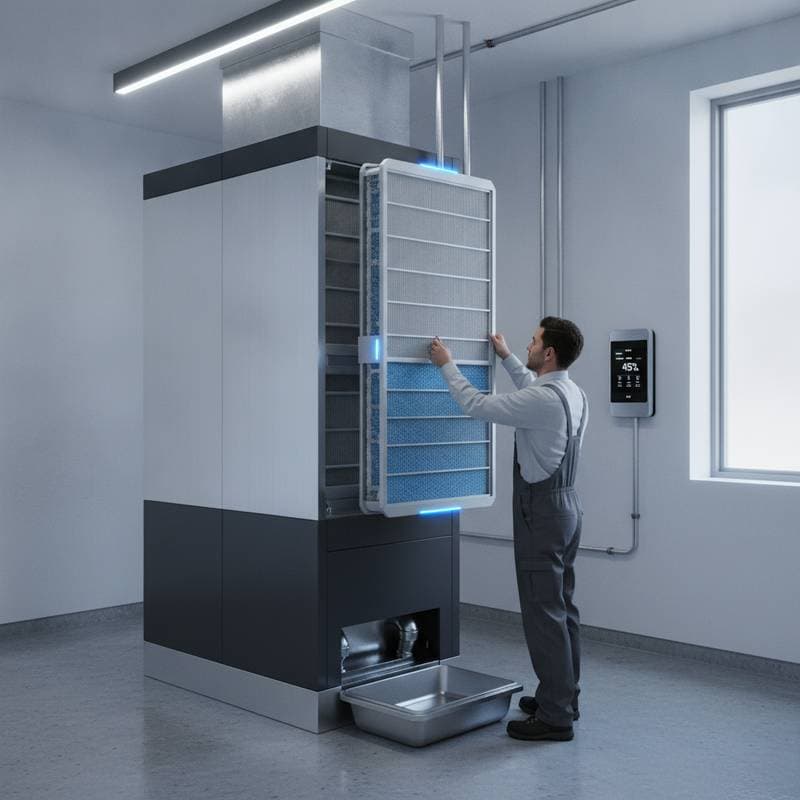
- Quarterly Cleaning of Coils and Sensors: Accumulated debris impairs precision and performance.
- Employ a Hygrometer for Checks: Supplement automated readings with periodic manual verifications.
- Inspect Drain Lines Regularly: Obstructions risk water accumulation and subsequent mold proliferation.
- Sustain Filter Replacements: Fresh filters bolster humidity accuracy and air purity.
Annual professional tune-ups, combined with humidity enhancements, synchronize all components for peak efficiency, comfort, and cost reductions.
Investment Factors to Evaluate
Humidity solutions differ in expense and sophistication. Installed whole-home humidifiers range from $400 to $800, while sophisticated dehumidifiers span $1,000 to $2,500 based on scale. Thermostats featuring humidity detection add $200 to $400. Initial outlays recoup through energy conservation and averted repairs over several years.
Prioritize safety and adherence to standards. Licensed experts handle installations involving refrigerants or wiring. Certain locales mandate permits for duct modifications; professionals verify compliance and preserve warranties.
Anticipated Health and Comfort Improvements
Balanced indoor humidity yields prompt, noticeable advantages:
- Mold and Mildew Suppression: Dry surfaces resist spore colonization.
- Diminished Allergy Reactions: Reduced irritant suspension enhances air freshness.
- Enhanced Rest: Consistent moisture supports unobstructed breathing during sleep.
- Furniture Protection: Materials resist deformation from excess or deficiency.
- Utility Savings: Optimal levels permit thermostat shifts, fostering comfort at moderate settings and lowering bills.
Climate-Specific Adaptations
Southern humid zones necessitate embedded dehumidifiers to counter prolonged dampness. Northern dry spells demand humidifiers to alleviate throat irritation and electrostatic issues.
A coastal client, plagued by vent-adjacent mildew, achieved a reduction from 68 percent to 48 percent humidity post-installation of a variable-speed dehumidifier synced with a smart thermostat.
Implementing Effective Solutions
Upgrading humidity controls addresses mold, allergies, and inconsistencies decisively. Professional expertise ensures seamless HVAC incorporation. Contact a qualified specialist via americanairhvac.net for a tailored home analysis.
This investment equips your residence with innate respiratory capacity, delivering invigorating, equilibrated air across seasons. Embrace 2025 humidity advancements for a perpetually refreshed, healthful haven.
Common Queries
Q: What signs indicate excessive or insufficient home humidity?
A: High humidity manifests as window condensation, musty smells, or apparent mold. Low humidity appears through dry skin, static discharges, or splitting wood.
Q: Do intelligent humidity systems depend on Wi-Fi?
A: Contemporary units leverage Wi-Fi for distant access, though core automation functions independently. Connectivity enhances usability and analytics.
Q: What maintenance frequency applies to central dehumidifiers?
A: Service filters and drains every three months; arrange yearly expert inspections to avoid blockages and uphold precision.
Q: Does humidity regulation lower energy expenses?
A: Affirmative. Equilibrium enables perceptual comfort at adjusted temperatures, yielding 10 to 15 percent savings.
Q: What constitutes optimal indoor humidity for well-being?
A: Target 40 to 50 percent relative humidity to curb mold, avert aridity, and promote household harmony.