Save Up to 60 Percent on AC Bills with Variable Speed Compressors
As an HVAC professional, I have observed numerous homeowners facing escalating energy costs each summer. Individuals set thermostats to comfortable settings, yet systems operate continuously, resulting in shocking utility bills. In humid, warm areas, outdated single-speed air conditioners often bear responsibility for this issue. Fortunately, variable speed compressors offer a reliable solution.
For those experiencing erratic cooling and excessive expenses, variable speed technology provides an opportunity to enhance comfort and reduce costs by up to 60 percent.
Challenges of Traditional AC Systems
Standard air conditioners function at a single speed, operating at full capacity regardless of demand. When minimal cooling suffices, the system still consumes maximum power. This on-off cycling leads to energy waste, accelerated component wear, and fluctuating indoor temperatures.
In prolonged hot weather, such inefficiencies accumulate rapidly. Single-speed compressors elevate indoor humidity, compelling the unit to labor more intensely. Through extensive field experience, I have witnessed comfort variations across rooms in affected homes.
Advantages of Variable Speed Compressors
Variable speed compressors, also known as inverter-driven units, modulate output to align with specific cooling requirements. Consider this akin to cruise control for cooling: the compressor increases speed modestly to counteract minor temperature rises, avoiding full activation.
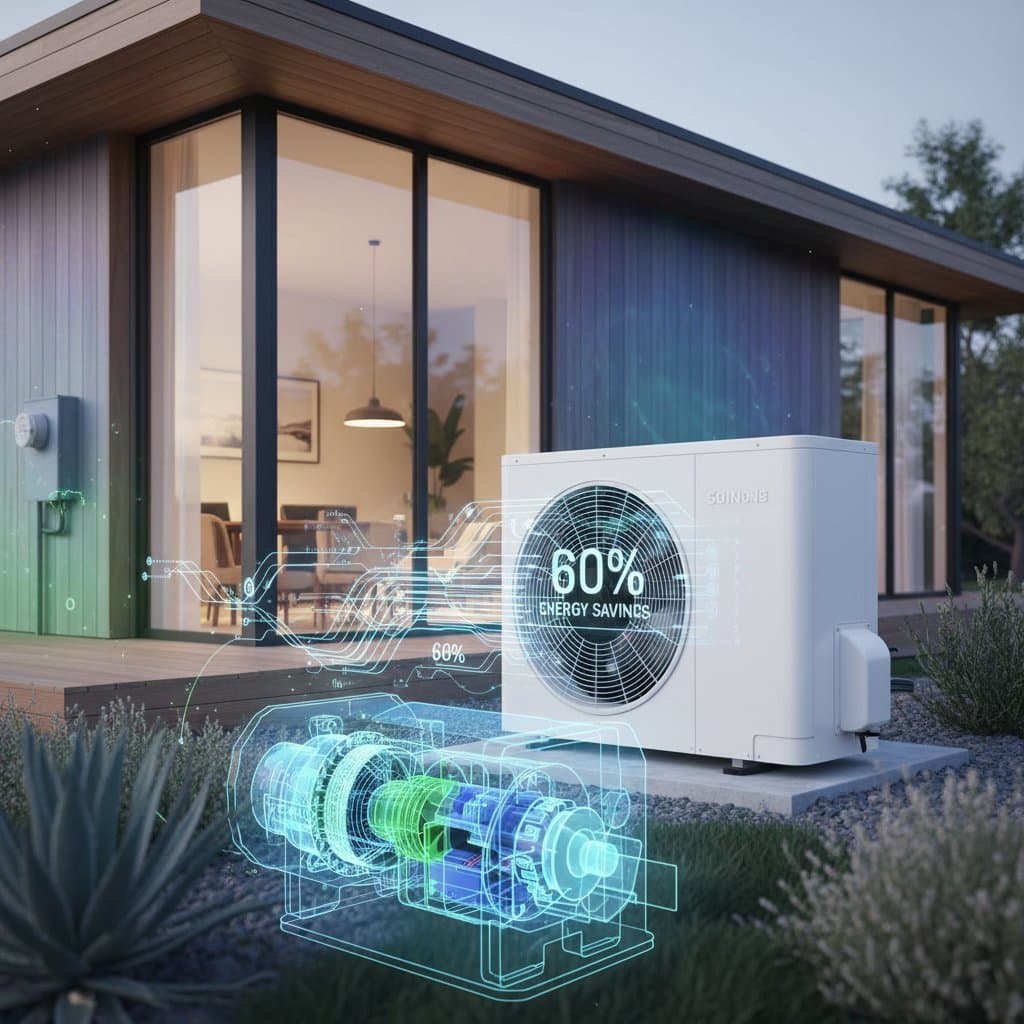
This approach yields dual advantages. Indoor temperatures remain stable with minimal variations, and energy consumption decreases significantly. Upgrades from single-speed systems typically yield 40 to 60 percent savings, according to homeowner feedback.
Mechanisms Behind Energy Savings
Efficiency stems from precise modulation. Single-speed units alternate between full operation and idle states, whereas variable speed models function between 30 and 100 percent capacity. This adaptability optimizes performance in real time.
Savings arise through several processes:
-
Minimized Power Demands: Conventional systems experience high current draws upon startup. Variable speed units sustain consistent speeds, eliminating these surges and stabilizing energy use.
-
Extended Low-Speed Cycles: Prolonged operation at reduced speeds enhances humidity removal and temperature uniformity. Consequently, compressors endure less stress, decreasing repair frequency.
-
Improved Air Distribution: When combined with variable speed blowers, these systems circulate air evenly, eliminating uneven spots.
-
Superior SEER Performance: The Seasonal Energy Efficiency Ratio measures overall effectiveness. Variable speed units frequently exceed 18 SEER, surpassing the 13 to 14 range of legacy models, which directly lowers operational costs.
HVAC specialist Mark Jensen notes, "Variable speed compressors prioritize intelligent energy management alongside advanced comfort, delivering ongoing financial benefits."
Strategies to Optimize System Performance
After installation, implement these measures to sustain maximum efficiency.
-
Arrange Regular Servicing: Professional inspections, including coil cleaning, refrigerant verification, and firmware updates, maintain optimal function.
-
Inspect and Seal Ducts: Duct leaks dissipate up to 30 percent of cooled air. Engage a technician to evaluate and repair any deficiencies.
-
Install a Smart Thermostat: Integration with intelligent controls enables schedule-based adjustments and precise management.
-
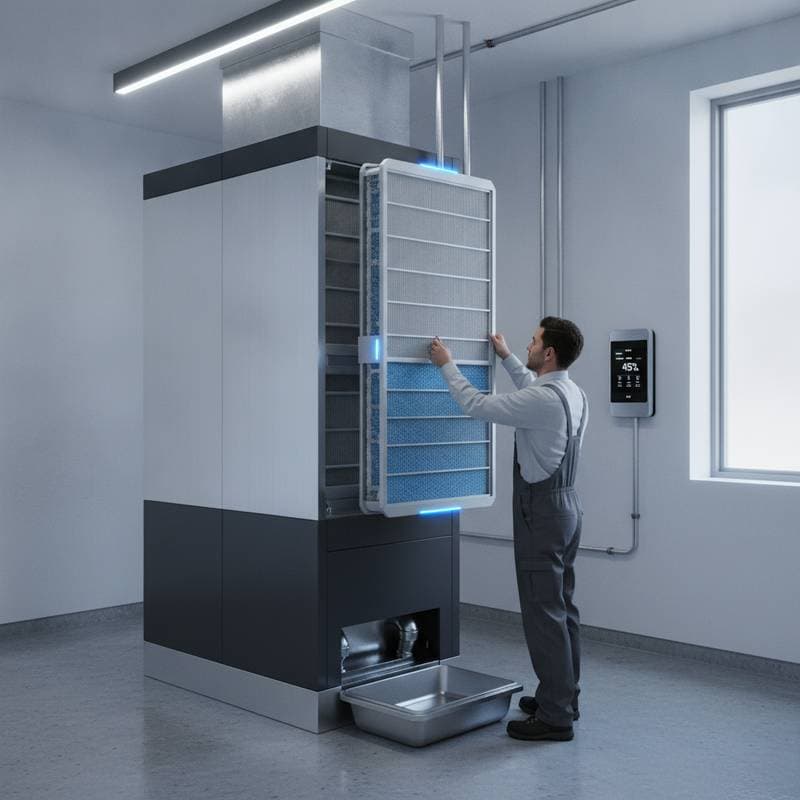
Maintain Clean Filters: Clogged filters increase compressor workload. Exchange them every one to three months, adjusted for household activity.
-
Ensure Outdoor Unit Accessibility: Remove surrounding obstacles from the condenser to facilitate unobstructed airflow.
Investment Evaluation
Variable speed systems involve higher initial expenses than single-speed or two-stage alternatives, ranging from $6,000 to $12,000 based on unit size, manufacturer, and setup demands. Energy reductions often recoup this within several years.
Frequent AC users during peak seasons achieve quickest payback. Additional perks include subdued noise levels, prolonged durability, and superior comfort, extending value beyond bill reductions.
Consider these factors prior to purchase:
-
Importance of Expert Installation: Accurate setup demands calibration by certified technicians familiar with inverter systems.
-
Rebate Opportunities: Utility providers frequently subsidize efficient models, offsetting costs by several hundred dollars.
-
Electrical Assessments: Legacy wiring may require upgrades; contractors evaluate during initial reviews.
-
Service Contracts: Annual plans safeguard performance and address issues promptly.
Homeowner Experiences with Enhanced Comfort
Envision entering a home on a muggy day to encounter even, refreshing air circulation that balances every space without intense bursts. Users of variable speed systems report more harmonious and serene indoor conditions.
Operation remains nearly silent, with a soft hum replacing disruptive cycles. Air quality improves through better dehumidification, and thermostat stability impresses consistently.
One family upgraded from a single-stage unit and saw bills halve while humidity decreased sufficiently to eliminate supplemental devices. Such practical enhancements justify the expenditure.
Selecting the Right System Configuration
Optimal results depend on aligning capacity with home attributes like square footage, insulation, and local weather. Improper sizing undermines efficiency.
Professionals advise a Manual J load calculation to determine precise requirements and ensure compatibility.
Two-stage systems provide incremental gains through discrete speeds, but variable speed units excel in dynamic adaptation for humidity and temperature precision.
Steps Toward Efficient Cooling
Adopting a variable speed compressor represents a strategic move to lower expenses and elevate living standards. This technology suits diverse settings, from humid coasts to arid interiors.
Consult a qualified HVAC specialist for personalized assessments, rebate details, and financing guidance. Proper collaboration ensures a dependable, cost-effective upgrade.
Frequently Asked Questions
Q: What savings can I anticipate from a variable speed compressor?
A: Reductions of 40 to 60 percent on cooling expenses are common. Factors include existing efficiency, regional climate, and operational patterns.
Q: Do variable speed compressors generate more noise than traditional models?
A: They produce less disturbance, running at gentle speeds with a continuous low tone instead of jarring activations.
Q: What is the expected lifespan of a variable speed system?
A: Proper care extends service to 15 to 20 years or beyond, as reduced cycling minimizes component degradation.