Maintain Comfort During Outages with Battery Backup HVAC Systems
Homeowners in storm-prone areas know the dread of a sudden power outage during peak summer heat. The air thickens, temperatures rise, and the reassuring sound of your air conditioner stops. As an HVAC specialist with extensive field experience, I have helped many clients overcome this issue through battery backup systems that preserve indoor cooling without interruption.
These systems address more than mere inconvenience. They safeguard vulnerable household members, such as young children or seniors, who depend on consistent temperatures. By integrating advanced battery technology, you gain a reliable defense against unreliable power grids.
Benefits of Integrating Battery Backup with Your HVAC
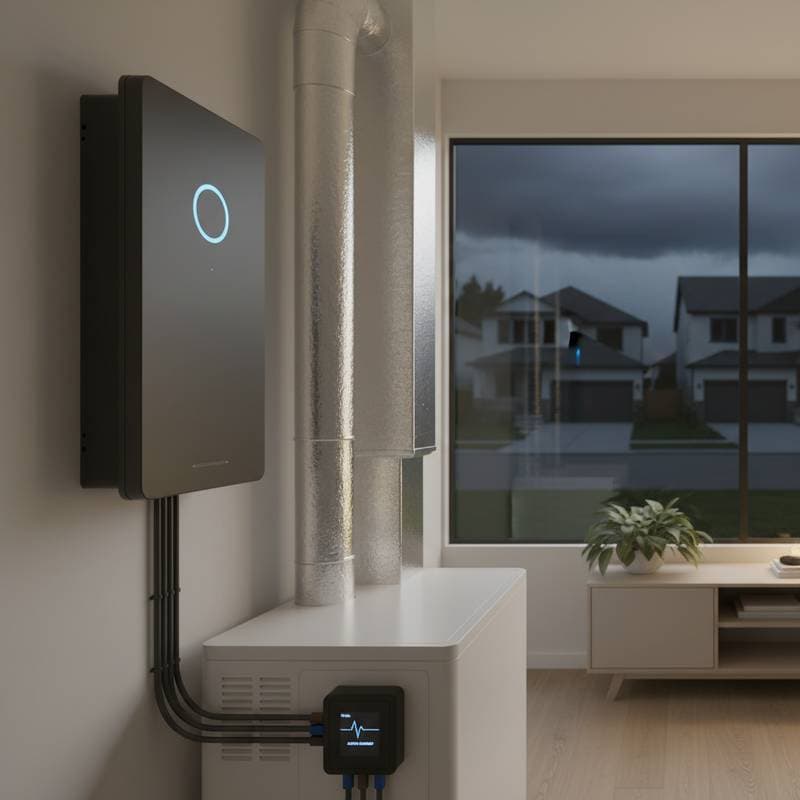
Battery backup systems excel in areas with frequent outages from weather events or infrastructure strain. The primary benefit lies in their automatic activation, which transfers power to your HVAC unit in milliseconds. This seamless switch prevents any lapse in cooling, maintaining your set temperature throughout the event.
Health considerations make these systems essential for certain households. Stable indoor climates support respiratory health and prevent heat-related illnesses. Additionally, these setups promote sustainability by recharging via grid power or solar arrays, minimizing reliance on fossil fuels and lowering your carbon footprint.
Selecting the Optimal Battery Backup for Your HVAC Needs
Choosing a battery backup requires careful assessment of your home's demands. Begin by reviewing your HVAC specifications to ensure compatibility. Focus on capacity, type, and additional features to achieve efficient, long-term performance.
Assess System Capacity and Power Demands
Calculate your HVAC unit's running wattage, typically 3,000 to 5,000 watts for central systems. Account for the startup surge, which can double that figure momentarily. Select a battery with at least 20% excess capacity to handle extended outages without strain, allowing 4 to 8 hours of operation under normal loads.
Evaluate Battery Technologies
Lithium-ion batteries stand out for residential applications due to their high energy density and cycle life of over 3,000 charges. They maintain efficiency across temperature variations and require minimal space. In contrast, lead-acid options suit tighter budgets but demand more frequent replacements and larger footprints.
Incorporate Solar Compatibility
For homes with existing solar installations, opt for batteries that pair with photovoltaic systems. Excess solar generation charges the battery during daylight, providing a renewable reserve for nighttime or cloudy outages. This hybrid approach extends runtime indefinitely in sunny conditions, enhancing self-sufficiency.
Leverage Advanced Monitoring Features
Contemporary systems feature app-based controls for real-time oversight. Monitor battery status, power draw, and remaining capacity from your smartphone. Set priorities to allocate power to essentials like HVAC first, optimizing usage during multi-hour blackouts.
Ensure Expert Installation Practices
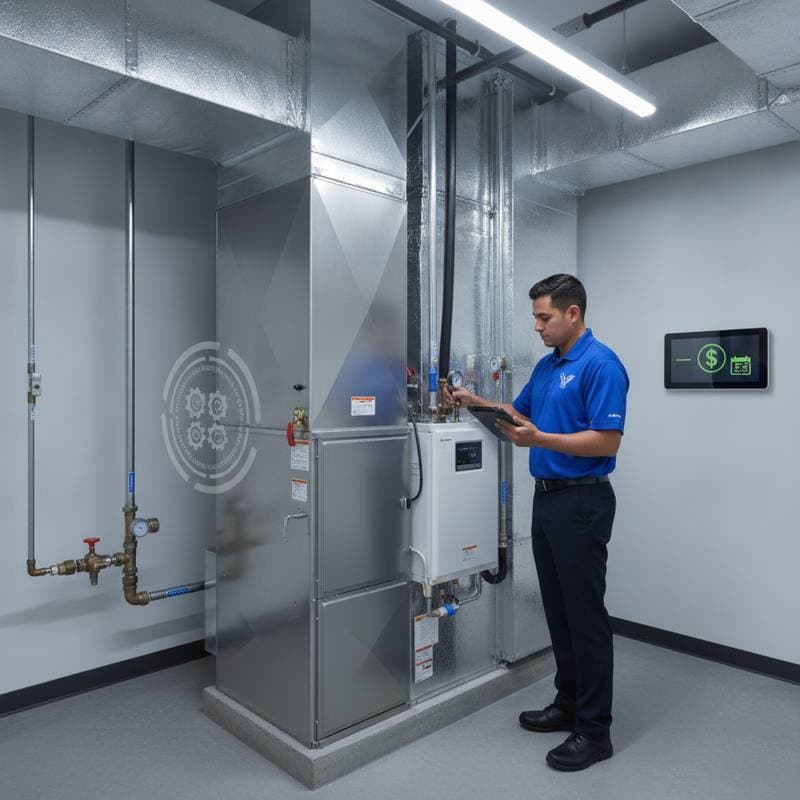
Professional involvement prevents common pitfalls. A certified technician evaluates your electrical panel, installs inverters, and configures automatic transfer switches. Proper setup includes ventilation to manage heat and safeguards against overloads, preserving your HVAC warranty.
Investment, Installation, and Long-Term Value
Expect costs from $8,000 to $18,000 for a robust system supporting central HVAC and select circuits. Compact units for ductless mini-splits start around $5,000. Factor in potential rebates from utility programs or federal incentives for energy storage, which can reduce outlay by 30% or more.
Installation spans 1 to 2 days, involving panel upgrades if necessary. Technicians conduct load tests and simulate outages to verify integration. Post-installation, you benefit from reduced peak-hour energy costs by drawing from stored power.
Safety demands adherence to codes. Avoid DIY connections, as they risk fires or equipment failure. Rely on professionals to integrate surge protection and grounding for comprehensive reliability.
Addressing Essential Questions on Battery Backup Performance
Many clients inquire about runtime capabilities. A standard battery sustains central AC for 4 to 6 hours at full load, extending to days with solar supplementation. Capacity upgrades or load management further prolong operation.
Maintenance remains straightforward. Wipe exteriors quarterly, verify airflow paths, and arrange yearly professional checks for battery health and connections. This routine ensures peak readiness without daily intervention.
Achieve Uninterrupted Comfort and Security
Battery backup HVAC systems transform outage vulnerabilities into strengths. They deliver consistent cooling, promote energy independence, and protect your home's value. Consult a local HVAC expert to tailor a solution that fits your lifestyle and location, securing peace of mind year-round.