Monthly vs. Annual HVAC Maintenance Plans: Insights on 2026 Costs
Homeowners frequently encounter unexpected HVAC failures during peak seasons, such as a faltering air conditioner amid summer heat or a furnace breakdown before winter arrives. These incidents lead to urgent repairs and substantial expenses, disrupting daily life. Enrolling in a maintenance plan offers a proactive solution to prevent such issues, but the decision between monthly and annual options often raises questions about affordability and effectiveness.
Many individuals debate whether to commit to recurring small payments or a single yearly fee for HVAC upkeep. Both formats aim to maintain system reliability, optimize performance, and prepare equipment for seasonal changes. Drawing from extensive professional experience, the optimal selection hinges on personal financial patterns, maintenance commitment levels, and household dynamics.
Key Distinctions Between Monthly and Annual HVAC Plans
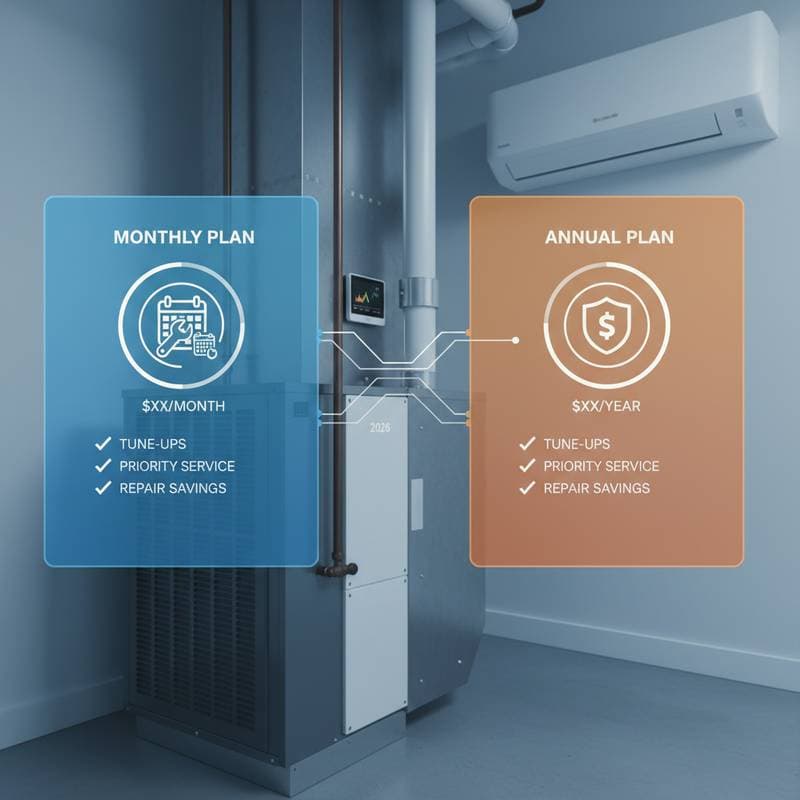
Monthly HVAC plans involve a recurring charge, typically ranging from $15 to $35, based on the service provider and equipment specifications. This structure provides identical core benefits to annual plans, including biannual inspections and priority repairs, distributed across the year for steady budgeting. Such plans suit those who favor consistent, low-impact expenses akin to utility bills.
In comparison, annual plans demand a one-time payment of $150 to $400, which secures comprehensive coverage for the full year and frequently includes a modest discount for the lump-sum approach. This method appeals to individuals seeking administrative ease and the assurance of prepaid services without ongoing billing. Professional analysis indicates that either plan represents a worthwhile investment, with the preferred choice aligning with financial stability, home tenure intentions, and scheduling reliability.
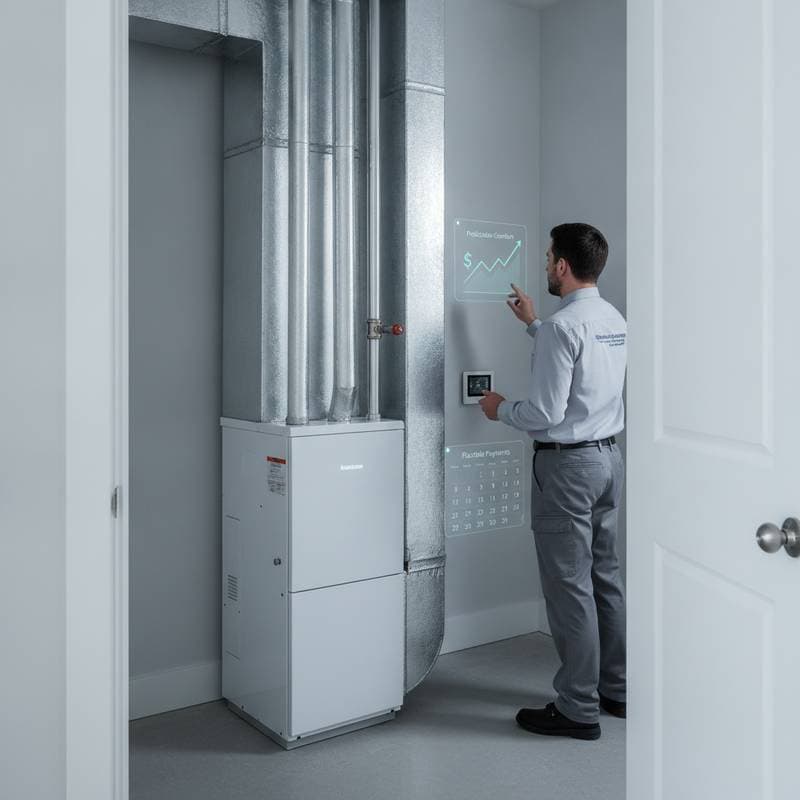
To illustrate, consider a household with variable income; a monthly plan avoids large outlays during tight periods. Conversely, for stable finances, the annual option minimizes administrative tasks and potentially lowers total costs through incentives.
Strategies to Optimize Your HVAC Maintenance Plan
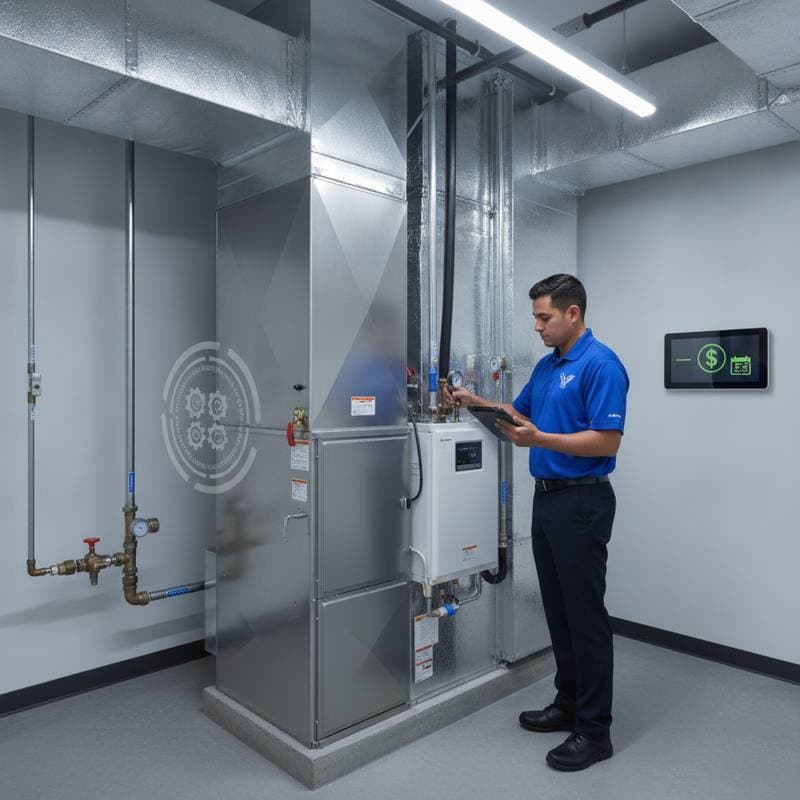
Professional guidance emphasizes treating maintenance plans as essential safeguards for home climate control, energy management, and equipment longevity. Routine servicing preserves warranty validity and averts costly failures. The following steps enhance the effectiveness of any chosen plan.
-
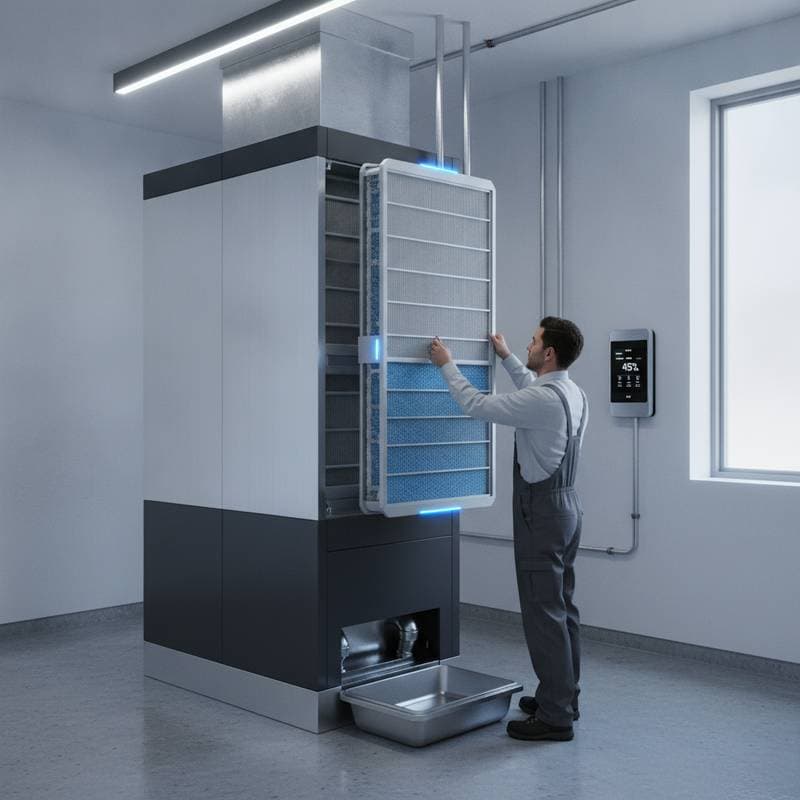
Arrange tune-ups proactively. Reserve the cooling system inspection in early spring and the heating evaluation in late fall. Early bookings secure preferred time slots and sidestep peak-season delays, ensuring readiness before extreme weather.
-
Maintain detailed service records. Document all activities, including filter replacements, diagnostic results, and component adjustments. This record aids in identifying recurring issues, streamlining future services, and validating warranty entitlements with manufacturers.
-
Inquire about member perks. Service providers often extend complimentary inspections, discount vouchers for upgrades, or incentives for customer referrals to loyal participants. Request details on these offerings during enrollment to maximize returns.
-
Evaluate plan suitability yearly. Reassess coverage as household needs evolve, such as adding family members or upgrading appliances. Adjustments ensure the plan remains aligned with current requirements without unnecessary expenditures.
Implementing these practices transforms a basic plan into a comprehensive strategy for sustained system health.
Essential Factors in Selecting an HVAC Maintenance Plan
Beyond initial pricing, multiple elements influence the suitability of monthly versus annual plans. Thoughtful consideration of these aspects ensures a decision that supports both immediate needs and future goals.
Budget and Financial Flow
Individuals with preference for steady outflows benefit from monthly plans, which integrate seamlessly into routine expenses and prevent budget shocks. This format maintains accessibility to services throughout the year. Those favoring streamlined finances and potential rebates may find annual plans more advantageous, as the single payment simplifies tracking.
Equipment Age and Status
Systems exceeding ten years in age demand vigilant monitoring to extend usability. Monthly plans facilitate frequent oversight without straining resources, ideal for aging units prone to gradual wear. Newer installations under warranty typically require less intervention, making annual coverage adequate and cost-effective.
Duration of Residence
Short-term homeowners gain flexibility from monthly plans, allowing easy termination or transfer upon relocation without forfeiting significant funds. Long-term residents appreciate the predictability of annual payments, which align with extended ownership and foster consistent care routines.
Efficiency and Sustainability Objectives
Consistent maintenance elevates system performance, potentially reducing energy consumption by 10 to 15 percent through optimized airflow and component calibration. Both plan types contribute to these outcomes, supporting broader goals like lower utility bills and environmental responsibility.
Provider Quality and Accessibility
Select established local firms boasting positive feedback and clear fee structures. As a veteran technician observed, 'The most robust plan proves ineffective without dependable execution.' Resources such as AmericanAirHVAC.net facilitate connections to reputable experts adhering to rigorous standards.
Case Study: Tangible Benefits of Proactive HVAC Maintenance
A client in a suburban neighborhood adopted a monthly plan following the installation of an advanced heat pump system. Over the subsequent three years, routine visits uncovered and resolved two subtle refrigerant deficiencies, thoroughly cleaned the blower assembly, and fine-tuned the thermostat settings for peak operation. These timely actions forestalled a major failure that might have incurred over $1,000 in repairs and downtime.
The cumulative plan expense amounted to roughly $500, yielding substantial net savings while upholding uninterrupted comfort. This scenario underscores the preventive power of structured maintenance, applicable across diverse home setups and equipment types.
Common Queries on HVAC Maintenance Plans
How frequently does a plan require service visits?
Most agreements encompass two annual appointments: one preceding summer cooling demands and another before winter heating needs. This cadence mitigates approximately 80 percent of typical malfunctions by addressing issues preemptively.
Do these plans cover repair expenses?
Priority service and discounted rates on parts and labor form standard inclusions, though comprehensive repair coverage varies by provider. Review specifics to confirm alignment with expectations.
Can I switch between monthly and annual plans?
Many companies permit transitions, often at renewal periods, to accommodate changing circumstances. Consult your provider for seamless adjustments.
Securing Long-Term Comfort Through Informed Plan Selection
Ultimately, the value of an HVAC maintenance plan emerges from its alignment with your unique circumstances, delivering not only financial prudence but also dependable home environments. By weighing budget constraints, system specifics, and service quality, homeowners position themselves for fewer disruptions and enhanced efficiency in 2026 and beyond. Consult a trusted professional to tailor a plan that sustains your comfort year after year.