Monthly Versus One-Time HVAC Maintenance: Which Option Saves More in 2026?
Homeowners frequently face the decision between enrolling in a monthly maintenance plan or relying on one-time service calls. Imagine the arrival of the season's first intense heat wave; your air conditioner activates with a strain, and the airflow diminishes noticeably. You summon an emergency repair, uncertain if the problem requires extensive work. This scenario prompts a common inquiry: Does preventive monthly care prove more cost-effective than addressing breakdowns as they occur?
Based on extensive field experience, both strategies offer advantages. The optimal selection hinges on your system's usage, regional weather patterns, and personal priorities for reliability. This analysis examines the financial implications, assurance of operation, and sustained energy performance of each method.
Hidden Expenses from Overlooked Upkeep
HVAC systems in areas with humid summers and cold winters operate continuously throughout the year. Absent routine servicing, efficiency declines rapidly. An unattended unit may forfeit up to 10 percent of its efficiency annually, resulting in elevated utility costs and increased stress on elements such as compressors and blower motors. Minor problems, including dirty filters or failing capacitors, frequently escalate into expensive fixes.
Numerous homeowners postpone action until a malfunction arises, under the impression that this conserves funds. However, emergency visits often exceed $250, and substantial repairs, such as replacing a blower motor, surpass $800. These expenditures prove more burdensome when unforeseen. A maintenance plan distributes such risks across steady installments, though one must determine if this consistently represents the superior financial route.
Benefits: Steady Maintenance Versus On-Demand Service
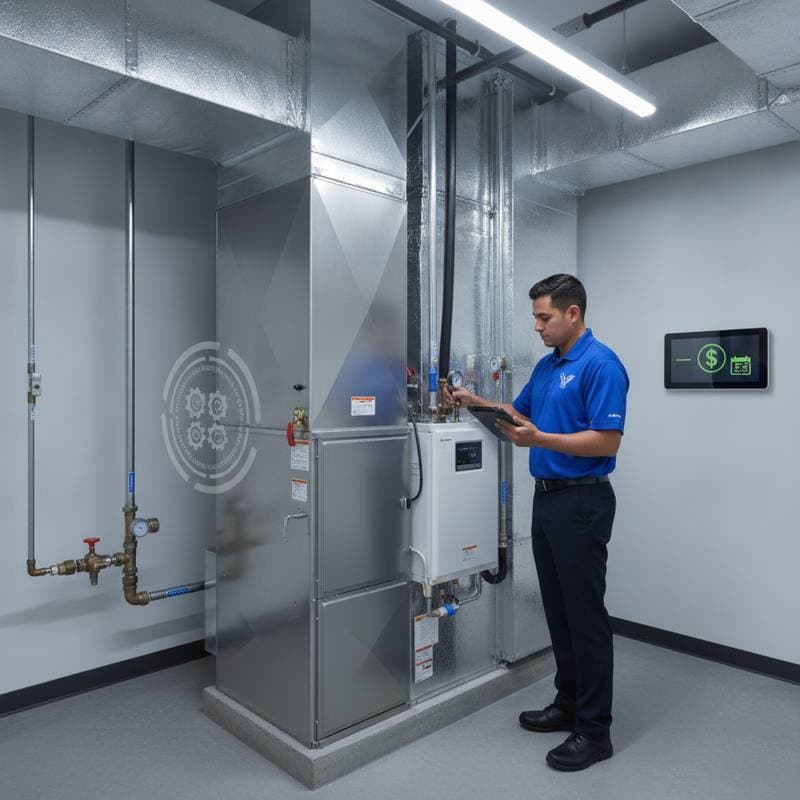
Monthly HVAC subscriptions excel in providing reliable oversight. Participants remit a reasonable fee, typically ranging from $15 to $30 per month, in exchange for programmed evaluations, filter changes, and expedited assistance. This resembles a fitness regimen for your heating and cooling equipment, maintaining peak condition and minimizing abrupt failures.
Conversely, one-time servicing attracts those who value adaptability. Payments occur solely as required, generally biannually, at $120 to $200 per session. This method conserves resources for recent installations, minimal operation, or warrantied units. Success demands commitment; forgoing a seasonal review appears inconsequential initially but can diminish the equipment's durability by multiple years.
Detailed Comparison: Identifying Genuine Savings
1. Budget Stability and Financial Oversight
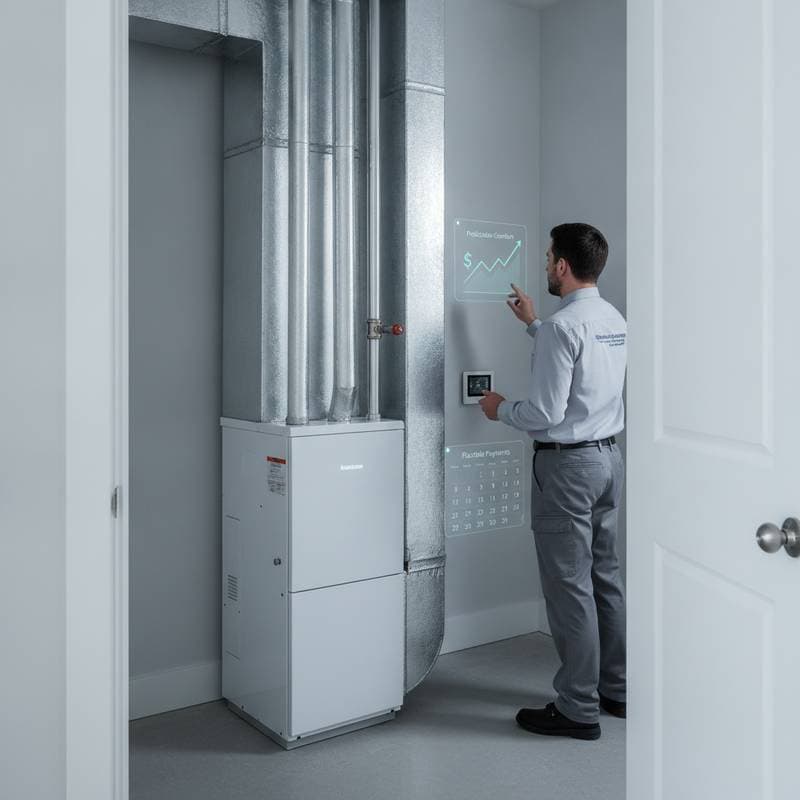
Monthly arrangements convert substantial, erratic outlays into routine, controllable amounts. Consider a scenario where an individual contributes $25 each month, totaling approximately $300 annually. This frequently encompasses two comprehensive inspections, reductions on parts, and preferential emergency access. Absent such a plan, equivalent biannual visits might aggregate $400, with additional interventions accumulating swiftly. For aging or intensively utilized systems, the subscription model frequently prevails economically.
That said, for modern equipment where you diligently perform seasonal maintenance, sporadic appointments may yield lower cumulative costs. As an HVAC specialist, evaluate both alternatives across a three-year period. Factor in prospective urgent repairs and component rebates to identify the arrangement best suited to your residence.
2. Equipment Durability and Performance Optimization
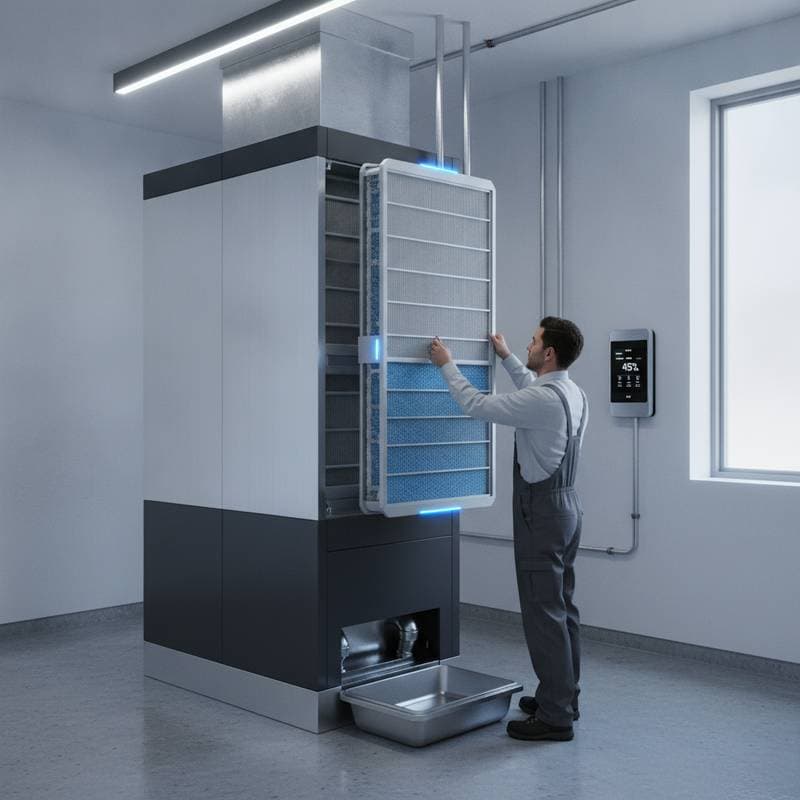
Consistent servicing preserves optimal airflow, refrigerant concentrations, and electrical integrity. Professionals cleanse coils, adjust thermostats, and verify safety mechanisms, thereby prolonging operational life. Monthly participants seldom omit these procedures, enabling their systems to endure two to three additional years compared to intermittently serviced counterparts.
View this as analogous to routine automotive oil changes. Occasional omissions seem tolerable, yet cumulative deterioration eventually manifests. In locales demanding near-constant HVAC function, this diligent attention yields dividends through reduced energy consumption and infrequent disruptions.
3. Dependability of Service and Dispatch Efficiency
Plan enrollees generally secure preferential booking. Should cooling cease amid a sweltering period, this advantage facilitates same-day intervention rather than prolonged delays. Numerous programs further offer labor reductions or eliminated diagnostic charges. For households with demanding schedules, this expediency holds substantial worth.
Non-subscribers access competent care, yet availability remains variable. Peak seasons may extend wait times, particularly with overwhelmed local providers. Such disparities evade numerical analysis but prove critical during pressing comfort needs.
4. Assurance and Security Evaluations
Subscription-based upkeep commonly incorporates safety verifications, including carbon monoxide detection and wiring integrity assessments. These measures safeguard occupants alongside the machinery. Although ad-hoc services deliver comparable reviews, the subscription's frequency prevents oversights.
Veteran technician Laura Greene observes, "The primary benefit of subscriptions is consistency. Systems remain robust when we identify minor faults prior to escalation."
Key Factors to Evaluate Prior to Selection
When deliberating between options, weigh these professional insights:
- Equipment Age: Systems exceeding ten years gain disproportionately from monthly regimens, as degradation accelerates.
- Operational Habits: Residences employing HVAC nearly continuously, such as in muggy or severe environments, derive enhanced returns from frequent attention.
- Financial Approach: Steady monthly disbursements align with subscription benefits. Capacity for intermittent substantial payments may favor one-time engagements.
- Warranty Provisions: Certain producers mandate maintenance documentation for coverage validity. Subscriptions furnish straightforward compliance evidence.
- Provider Quality: Select certified, insured specialists. Esteemed services, like those accessible via americanairhvac.net, authenticate personnel qualifications and guarantee punctual arrangements.
Steps to Implement Your Choice
Reliable execution depends on adherence. Neglect surpasses either structured approach as the least advisable path. One overlooked evaluation risks coil blockages, refrigerant shortages, or hazardous emissions. Field observations reveal that postponed servicing has cost individuals thousands, whereas prompt inspections avert such losses.
Opt for a monthly plan if predictability ranks highly. It establishes a dependable maintenance cadence, ensuring efficiency and seasonal preparedness. For adaptability with contemporary units, one-time servicing suffices, contingent upon unwavering seasonal compliance.
Seek tailored advice from qualified HVAC personnel through americanairhvac.net. This platform links you with dependable experts providing subscription and individual service varieties, enabling package comparisons aligned with your comfort objectives and fiscal constraints.