Monthly HVAC Maintenance Plans vs. One-Time Repair Costs: A Long-Term Comparison
Homeowners often face a critical decision regarding heating, ventilation, and air conditioning systems: opt for occasional one-time services or commit to a monthly maintenance plan. This choice influences not only immediate expenses but also future reliability, energy efficiency, and overall comfort. Professional experience reveals that consistent care transforms potential crises into routine safeguards, ensuring systems operate smoothly across seasons.
Consequences of Neglecting Routine Upkeep
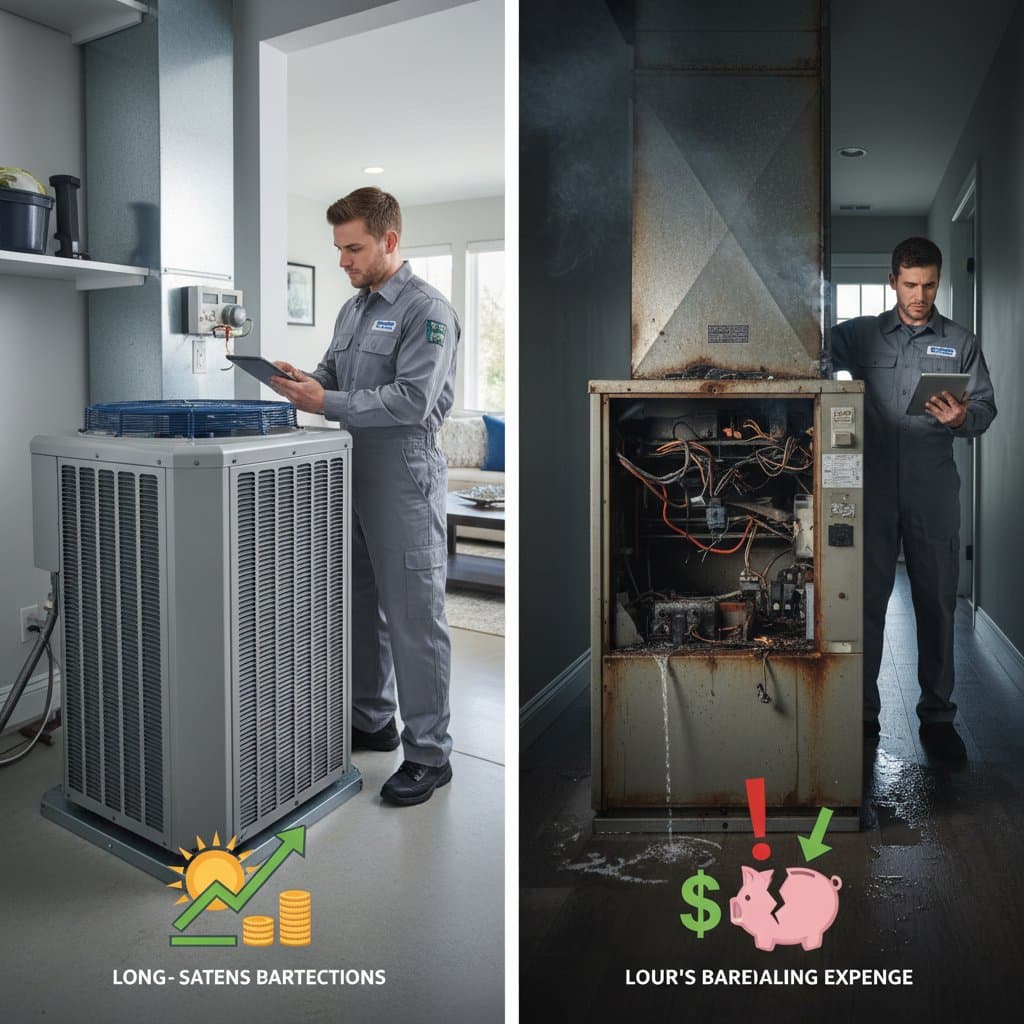
Postponing HVAC maintenance until a failure occurs leads to substantial financial burdens. An emergency service call typically ranges from $300 to $600, excluding additional charges for parts or after-hours work. Multiple incidents over time accumulate costs that surpass an entire year's maintenance subscription.
Neglected units consume 10 to 25 percent more energy due to inefficiencies such as dirty filters or imbalanced components. Essential parts, including compressors and blower motors, degrade prematurely without regular attention. Systems under such conditions often require replacement five to ten years earlier than expected, resulting in replacement expenses that reach several thousand dollars.
Benefits Provided by Monthly Maintenance Plans
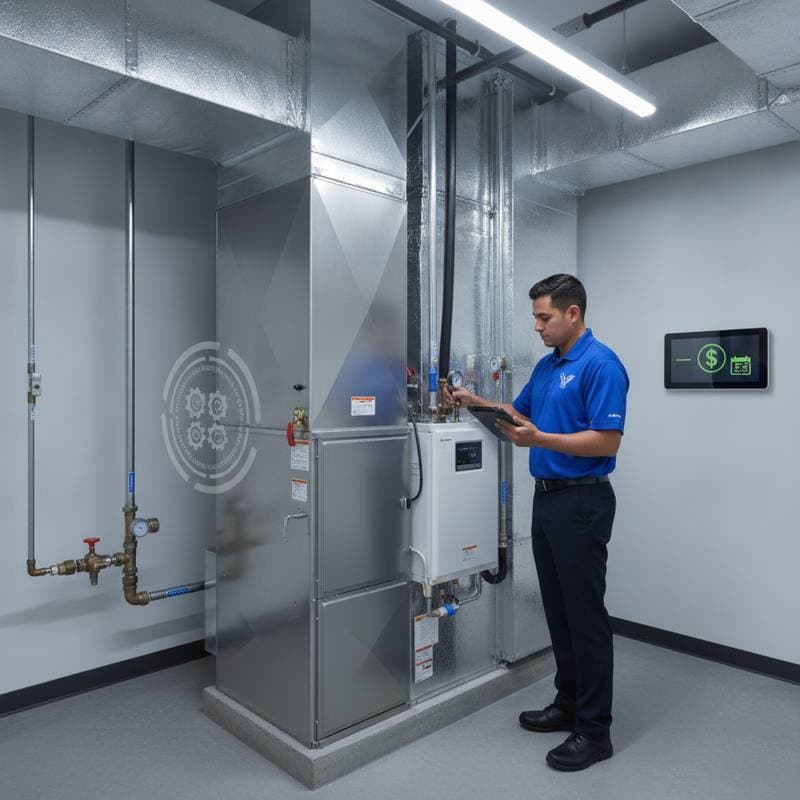
Monthly plans distribute maintenance expenses into affordable installments, generally $15 to $40 each month. Coverage usually encompasses two annual tune-ups, expedited appointment scheduling, and reduced rates for repairs or replacement parts. Additional features may involve complimentary filter changes and detailed efficiency assessments that monitor performance trends.
Before selecting a plan, verify its inclusions to align with specific needs. Essential components include:
- Seasonal tune-ups addressing both heating and cooling operations
- Thorough evaluations covering refrigerant charges, airflow measurements, and thermostat adjustments
- Reduced fees for repairs or elimination of diagnostic visit charges
- Prioritized emergency services during severe weather conditions
Such plans function as proactive measures, similar to routine health checkups, that sustain optimal performance and avert unexpected financial strains.
Direct Comparison: One-Time Services Versus Monthly Plans
A one-time service involves an initial payment for a technician to examine and service the equipment. This method suits newer installations or systems with minimal usage, yet it fails to deliver ongoing vigilance against deterioration. Short-term savings may appear attractive, but future repair demands often offset them substantially.
Consider the following breakdown:
One-Time Service
- Initial expense: $100 to $250 per session
- Absence of continuous monitoring or interim evaluations
- Suitable for brief property tenures or recently installed units
Monthly Plan
- Annual equivalent: $180 to $480, paid incrementally
- Continuous oversight plus repair cost reductions
- Optimal for enduring homeowners prioritizing dependability and performance
Assess system requirements and personal preferences to determine the best fit. Residents in regions with harsh climates or heavy reliance on climate control benefit most from structured plans that mitigate both expenses and disruptions.
Unseen Advantages and Enduring Benefits
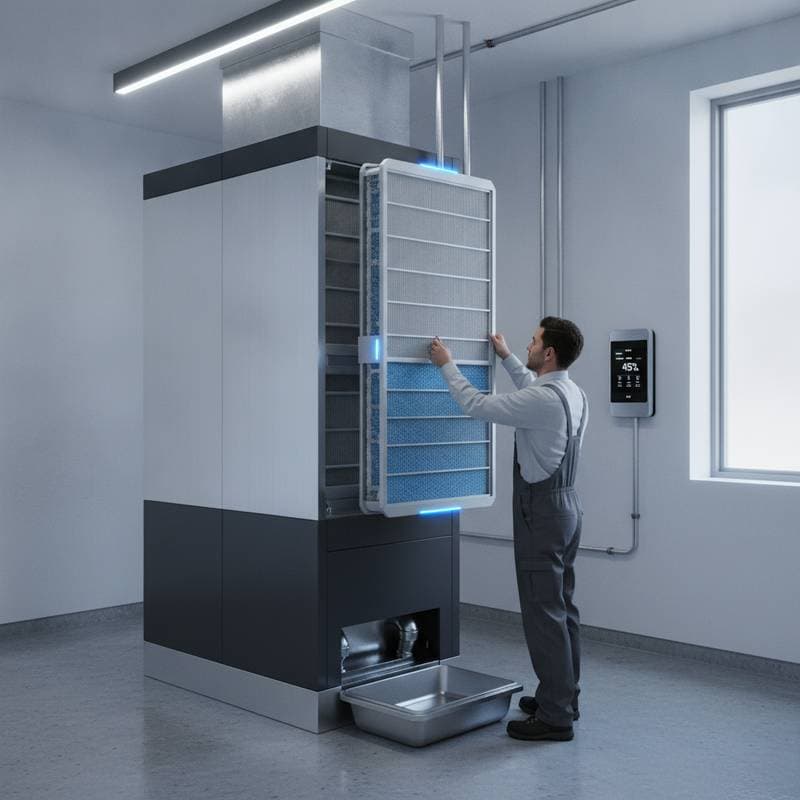
Scheduled upkeep reduces energy expenditures by as much as 15 percent through measures like coil cleaning, airflow optimization, and thermostat fine-tuning. These actions minimize operational stress and prolong equipment longevity. Skilled technicians identify subtle issues, such as refrigerant deficiencies or frayed components, prior to escalation into complete malfunctions.
HVAC professional Mark Jensen observes, "Proactive maintenance always costs less than reactive repairs. Catch it early, and you control the bill instead of the other way around." This approach applies universally, fostering cost control and system resilience in every serviced residence.
Key Factors to Evaluate Prior to Selection
Examine contract details including flexibility, transfer options, and termination policies. Certain providers enforce extended commitments, whereas others offer adaptable, month-to-month arrangements. Confirm the service provider holds necessary licenses, insurance, and adherence to regional regulations.
Safety remains paramount in these decisions. Expert inspections verify adequate ventilation, detect potential carbon monoxide hazards, and manage refrigerants in compliance with standards. These responsibilities demand professional expertise and should never be undertaken independently.
Steps to Implement Effective HVAC Care
For those seeking stable expenses, consistent comfort, and minimized repair interruptions, monthly plans provide superior value over isolated services. While a single visit may appear economical initially, it seldom matches the assurance of regular oversight. Regardless of system age, diligent maintenance ensures peak functionality throughout its service life.
Consult a qualified HVAC specialist to review tailored maintenance subscriptions suited to your residence and local conditions. This step secures comprehensive protection, equipping your system for reliable performance in all seasons.