Monthly HVAC Maintenance Plans Versus One-Time Service: Which Option Provides Greater Savings?
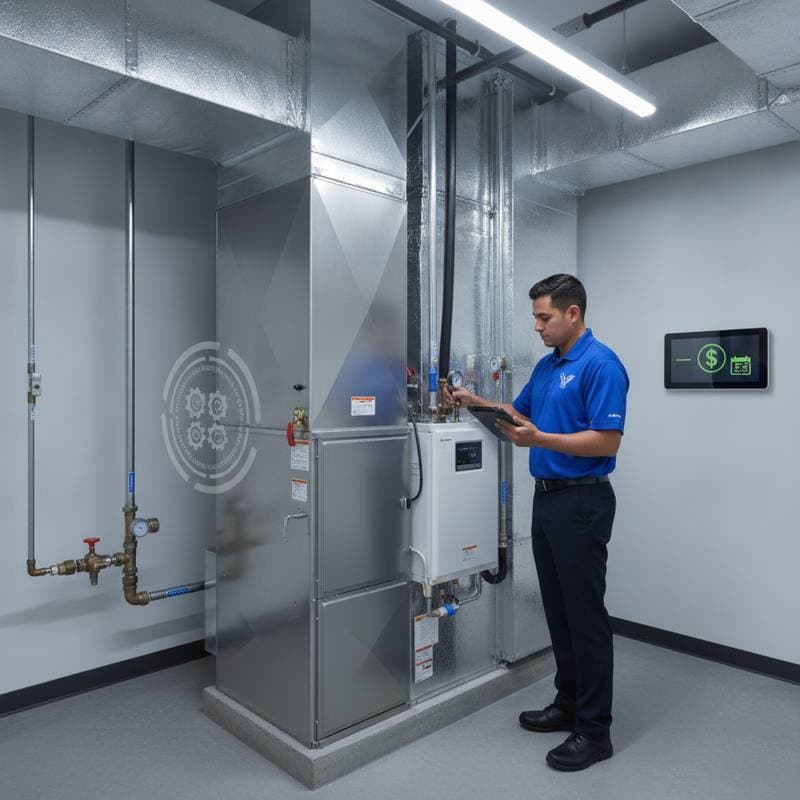
As an HVAC professional, I have observed numerous homeowners grappling with a fundamental choice: committing to a monthly maintenance plan or relying on one-time service calls. Consider the scenario where the initial cold front arrives, yet the furnace fails to activate. Homeowners then urgently seek a technician, endure several days awaiting an appointment, and confront a substantial bill merely to reinstate heating. In contrast, envision a system that receives regular tune-ups, timely filter replacements, and early detection of minor wear issues, thereby averting emergencies. This illustrates the impact of a structured maintenance plan.
Based on extensive field experience, no universal solution exists. The optimal selection hinges on the system's age, expectations for comfort, and degree of proactive maintenance desired. Nevertheless, the associated savings, enhanced reliability, and reduced anxiety from HVAC service plans merit thorough examination.
Understanding the Costs Associated with HVAC Failures
HVAC system malfunctions accumulate expenses rapidly. An average emergency repair spans from $300 for a basic capacitor replacement to $1,500 or higher for complications involving the compressor or blower motor. Numerous such issues originate as subtle inefficiencies that routine maintenance could preempt.
In areas characterized by humid summers or extended heating periods, unattended systems strain excessively and escalate energy consumption. This circumstance elevates utility bills by 10 to 25 percent. Families often incur hundreds of dollars annually in additional costs due to unaddressed filter replacements or uncleaned coils, representing minor lapses with significant energy repercussions.
Consequently, homeowners increasingly evaluate the advantages and disadvantages of monthly HVAC maintenance plans against isolated service calls. The central inquiry remains: which strategy yields superior financial and stress-related benefits over time?
Components of a Monthly HVAC Maintenance Plan
An HVAC subscription plan, occasionally termed a maintenance agreement, consolidates vital services into consistent monthly fees. Although specifics differ among providers, typical plans encompass:
- Two annual seasonal tune-ups, one dedicated to cooling and one to heating
- Scheduled filter replacements
- Priority appointment booking during high-demand periods
- Reductions on parts, labor, or emergency interventions
- Yearly evaluations of performance and safety
Certain advanced plans additionally encompass emergency repairs or refrigerant replenishments. Monthly fees generally range from $15 to $40, influenced by equipment specifications and coverage extent. Homeowners value the simplified budgeting, as maintenance occurs systematically without unforeseen expenses.
Benefits and Limitations of One-Time Service Calls
One-time service calls operate on a pay-as-needed basis. Payments arise solely upon scheduling a tune-up or addressing a malfunction. Standard maintenance visits average $100 to $200, whereas emergency responses frequently surpass $300, particularly outside regular hours.
For systems under warranty and relatively new, occasional maintenance suffices, provided annual servicing remains consistent. However, omitting a yearly check or neglecting filter changes jeopardizes warranty validity and diminishes system longevity.
HVAC specialist Carla Jennings notes, "The primary challenge with one-time service lies in inconsistency. Homeowners intend to maintain schedules, yet daily demands often cause oversights."
Side-by-Side Comparison of Monthly Plans and One-Time Service
The following delineates principal distinctions between the approaches.
Cost Predictability
- Monthly Plans: Distribute expenses uniformly throughout the year, eliminating abrupt financial burdens.
- One-Time Service: Involves minimal initial outlay for infrequent needs, though unpredictability arises from potential breakdowns.
System Reliability
- Monthly Plans: Routine inspections forestall most problems, bolstering dependability.
- One-Time Service: Annual evaluations may identify issues, but irregular upkeep heightens vulnerability.
Long-Term Savings
- Monthly Plans: Reduce repair occurrences and energy demands, potentially conserving hundreds of dollars yearly.
- One-Time Service: Offers savings contingent on infrequent failures and steadfast maintenance adherence.
Convenience
- Monthly Plans: Automated notifications and bookings guarantee timely tune-ups.
- One-Time Service: Demands personal tracking of schedules and technician sourcing.
Warranty Protection
- Monthly Plans: Ensure adherence to manufacturer stipulations for maintenance.
- One-Time Service: Proves effective with documented annual services, though lapses occur more readily.
Strategies to Optimize Maintenance Regardless of Approach
Irrespective of the selected method, implement these practices to enhance value.
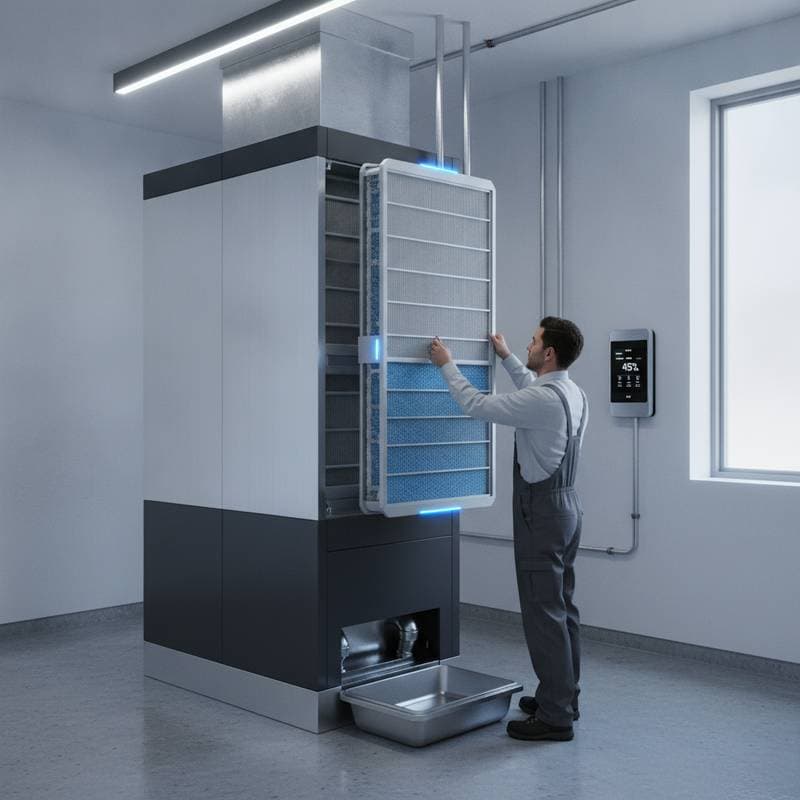
- Replace filters every one to three months, as soiled filters impede airflow and increase system workload.
- Maintain clear pathways for vents and returns, since obstructions can simulate equipment malfunctions.
- Arrange tune-ups seasonally, inspecting air conditioning in spring and heating systems in fall.
- Monitor indicators such as unusual sounds, temperature inconsistencies, or escalating bills, signaling necessary intervention.
- Record all services meticulously, retaining receipts and reports to monitor efficiency and uphold warranty terms.
These measures augment both subscription and individual maintenance efforts, sustaining optimal performance and comfort annually.
Factors to Evaluate Prior to Selection
The decision between monthly and one-time service aligns with individual home circumstances. Consider these elements:
- System Age: Aging units gain substantially from ongoing monitoring, whereas modern systems tolerate annual inspections adequately.
- Usage Patterns: Regions with prolonged cooling or heating demands often render monthly plans cost-effective via energy reductions.
- Budget Flexibility: Preference for steady monthly outflows favors subscription models for streamlined planning.
- Repair History: Recurrent issues indicate that preventive strategies mitigate escalating expenses.
- Home Ownership Duration: Long-term residency benefits from monthly plans, which safeguard equipment longevity.
Drawing from professional insights, I advise reviewing historical repair expenditures. Tally emergency service costs from recent seasons. Should this total surpass a maintenance plan's price, the subscription demonstrates immediate viability.
Illustrative Case of Cost Savings
Examine a standard residence equipped with central air conditioning and a gas furnace. Annual expenditures might include $250 for two tune-ups, supplemented by $400 in sporadic repairs every few years. A $25 monthly plan totals $300 yearly, incorporating priority access and discounts.
Should this plan avert a single significant repair or curb energy bills by 15 percent, tangible benefits emerge. Across the system's operational life, diligent maintenance extends durability by five to ten years, averting thousands in replacement outlays.
Scenarios Where One-Time Service Suffices
In dwellings with recent installations or active warranties, one-time service remains viable with rigorous discipline. Establish calendar alerts for biannual tune-ups and manage filter changes independently. This method suits homeowners adept at self-directed upkeep.
Even diligent individuals recognize that automated coordination and expert oversight alleviate burdens. HVAC technician Mark Ruiz observes, "A maintenance plan transcends mere visits. It fosters accountability, guaranteeing uniform care each season."
Steps to Ensure Lasting HVAC Efficiency
Selecting between a monthly HVAC plan and one-time service reflects priorities for comfort. Monthly plans deliver convenience, unwavering operation, and fiscal stability for those seeking reliability. One-time service accommodates newer systems and committed maintainers effectively.
Proactivity defines success. Avoid deferring action until failures occur. Consistent maintenance, whether through subscriptions or scheduled calls, upholds efficiency, safety, and reliable comfort.
Consult a qualified HVAC professional for tailored recommendations and quotes suited to local conditions and household needs.
Frequently Asked Questions
How frequently should HVAC systems undergo maintenance?
Twice annually proves optimal, with one session preceding cooling season and another before heating. Routine servicing averts up to 80 percent of potential breakdowns.