Monthly HVAC Plans vs. One-Time Service: Which Approach Saves More?
Homeowners often face a critical choice: commit to a monthly HVAC maintenance plan or rely on one-time service calls. This decision influences not only immediate expenses but also system reliability, energy efficiency, and overall home comfort. As an experienced HVAC professional, the author observes that proactive maintenance prevents unexpected failures and delivers substantial long-term benefits.
The Hidden Challenges of HVAC Neglect
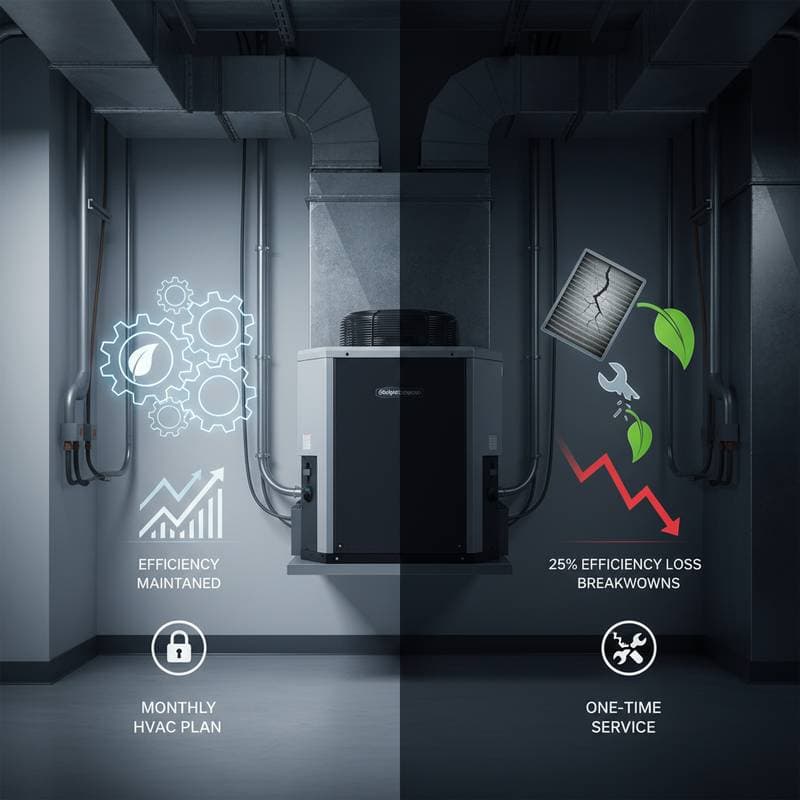
HVAC systems operate continuously in homes with pronounced seasonal changes, quietly regulating indoor temperatures. Without routine care, efficiency declines as dust accumulates and components wear prematurely. Research indicates that unmaintained systems lose up to 25 percent efficiency within a few years, resulting in higher energy costs and reduced performance.
The core issue extends beyond initial costs. Homeowners must consider how maintenance strategies affect system health, emergency risks, and future budgeting. Addressing these elements ensures sustained comfort and financial prudence.
Benefits of Monthly HVAC Maintenance Plans
Monthly plans function as service agreements that provide scheduled inspections, priority access to technicians, and potential discounts on parts or labor. These plans distribute expenses evenly, typically ranging from $15 to $40 monthly based on system complexity and coverage level.
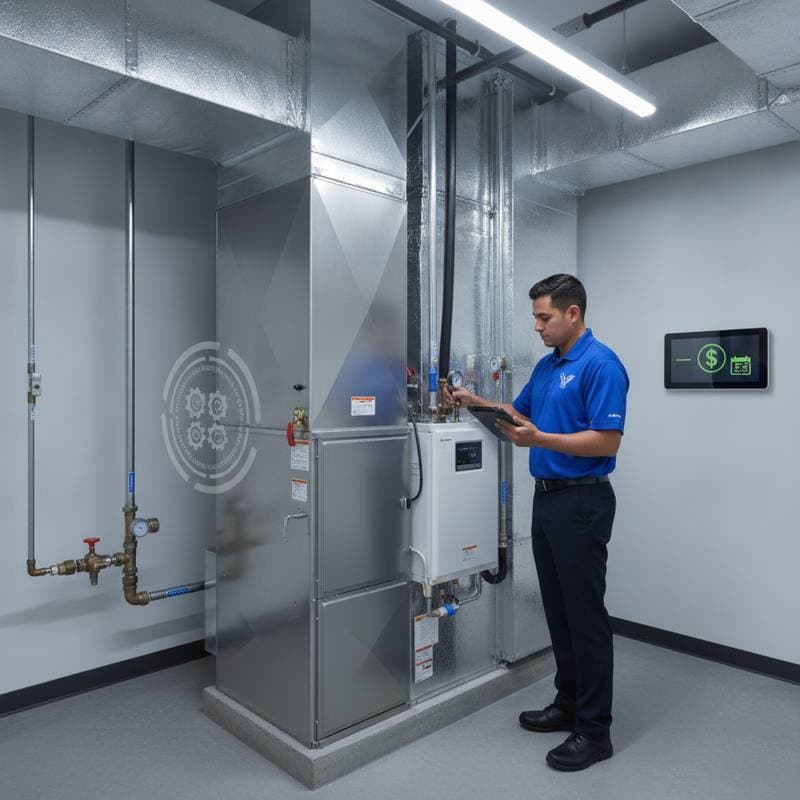
Technicians perform essential tasks during visits, such as coil cleaning, refrigerant level checks, and safety system tests. This routine intervention maintains peak operation, minimizes emergency calls, and prolongs equipment life. Homeowners report fewer disruptions and reduced repair expenses over time.
Drawbacks and Costs of One-Time Service
One-time services offer convenience for occasional needs, allowing payment only upon request without ongoing commitments. However, availability becomes limited during high-demand periods like extreme weather events, potentially delaying relief.
Initial costs appear lower, with routine visits priced at $100 to $250. Yet, irregular maintenance often escalates to costly repairs; for instance, a compressor replacement may exceed $3,000. In contrast, annual plan fees of $300 to $500 frequently avert such major issues.
Key Comparison Factors
Evaluate these aspects to determine the superior option for specific circumstances.
-
Cost Structure
One-time fees vary widely, from $100 for basic checks to thousands for repairs. Monthly plans deliver fixed payments, simplifying financial planning and avoiding surprise bills. -
Access During Emergencies
Plans often grant priority scheduling and reduced emergency rates. Without enrollment, after-hours services incur premium charges, especially in adverse conditions. -
Equipment Durability
Consistent upkeep reduces component stress, enabling systems to endure 15 to 20 years. Neglected units typically require replacement after 10 years, incurring significant costs. -
Efficiency Gains
Optimized filters, compressors, and airflow lower energy consumption by 10 to 15 percent. This translates to measurable reductions in monthly utility expenses. -
Reliability Assurance
Scheduled inspections provide ongoing monitoring, eliminating uncertainty about potential failures.
Scenarios Where Each Option Excels
Ideal for Monthly Plans
- Homes with year-round heavy system use.
- Newer equipment under warranty requiring documented care.
- Preferences for steady costs and automated scheduling.
- Need for expedited service and detailed performance logs.
Suitable for One-Time Service
- Properties with minimal HVAC demands, such as vacation homes.
- Self-managed maintenance schedules.
- Imminent system replacements minimizing long-term investments.
HVAC specialist Linda Chavez notes, "Maintenance plans resemble regular health checkups for your home's essential systems. Skipping them heightens risks with each passing season."
Case Study: Consequences of Deferred Maintenance
A homeowner neglects tune-ups for three years, allowing dust to clog the evaporator coil and restrict airflow. The system compensates with extended run times, ultimately damaging the blower motor at a $600 repair cost. Enrollment in a monthly plan would have included coil cleaning and filter changes, identifying the issue early and preventing the failure.
Strategies to Optimize HVAC Performance and Savings
Implement these practices regardless of chosen method.
-
Monitor Utility Trends
Track bill increases signaling efficiency drops. Plans incorporate diagnostic reviews to detect issues promptly. -
Maintain Filters Diligently
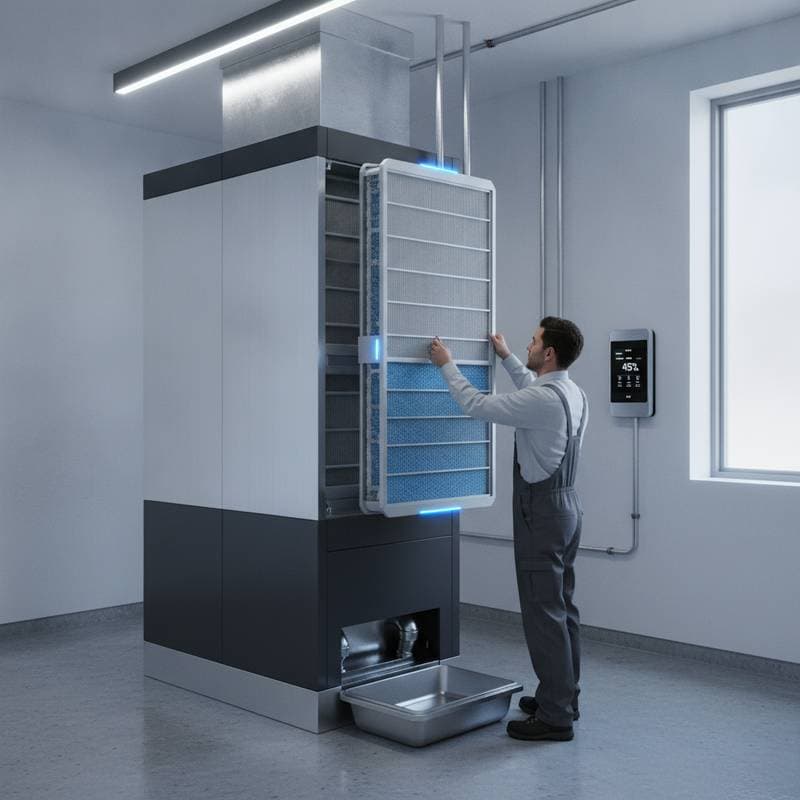
Replace every one to three months to prevent strain and overheating. -
Secure Detailed Service Records
Request reports outlining inspections, replacements, and observations to identify recurring problems. -
Inquire About Incentives
Seek discounts for loyal clients or multi-system contracts from providers. -
Integrate Smart Technology
Pair plans with programmable thermostats for additional 10 percent energy savings; include setup in service agreements.
Essential Cost and Safety Insights
Review these benchmarks when assessing options.
Standard Pricing:
- Single maintenance: $100 to $250 per unit.
- Monthly subscription: $15 to $40.
- Urgent repairs: $300 to $1,000.
- Component overhauls: $1,200 to $5,000.
Safety inspections during routine visits identify hazards like gas leaks or wiring faults. Compliance with local regulations preserves warranties and insurance eligibility. Select providers who hold proper licensing and insurance, adhering to regional standards.
Steps to Select Your Maintenance Strategy
Begin by examining your system's age, usage frequency, and past repair history alongside energy records. Frequent interventions or escalating bills signal the value of a subscription model.
Consult qualified professionals for personalized assessments and quotes. Compare offerings to align coverage with your needs. Consistent attention, whether through plans or targeted calls, sustains efficient, safe operation.
Investing thoughtfully in HVAC care secures enduring home comfort and cost control.
Frequently Asked Questions
How often should HVAC tune-ups occur?
Experts recommend biannual scheduling, once prior to cooling season and once before heating. These prevent 80 percent of typical failures and cost $100 to $200 each.
What do maintenance plans include for repairs?
Coverage varies; some provide discounts or partial reimbursements, others focus on inspections. Examine contract terms for precise inclusions.