Moisture-Wicking Filters Keep HVAC Systems Mold-Free
HVAC technicians have observed many homeowners puzzled by musty smells that emerge from vents. Such odors often appear after humid periods or extended air conditioner operation. They frequently signal mold growth within the system. In high humidity regions this problem occurs often yet remains preventable through a targeted upgrade to moisture wicking filters.
These filters capture dust and pollen while managing humidity levels inside the air handler. They stop moisture from accumulating in areas where mold develops. When combined with steady airflow and routine maintenance the filters provide strong protection against hidden contamination.
Why Moisture Threatens HVAC Systems
HVAC equipment regulates temperature and continuously addresses moisture. Warm humid air condenses on coils ducts and filters. Lingering moisture allows mold spores to establish within forty eight hours. Once established mold spreads through ductwork and affects air quality while triggering allergies and corroding parts.
Coastal and high humidity homes face the greatest exposure. Even insulated residences can develop condensation in return ducts. Common indicators include a persistent damp odor at startup visible dark spots near vents heightened allergy responses and reduced airflow.
Early attention to these signals avoids expensive repairs. Proactive measures before mold appears protect both health and equipment.
How Moisture Wicking Filters Function
Moisture wicking filters merge high efficiency particle capture with fiber technology that draws water from the surface. The fibers move moisture into the airstream for evaporation rather than allowing it to remain. This process maintains dryness discourages mold and sustains steady airflow.
Ratings follow the MERV scale. A value between 8 and 13 suits most residences because it balances particle removal with adequate airflow that limits condensation.
Steps for Effective Use
- Match the filter size exactly to system specifications to eliminate bypass gaps.
- Select a MERV rating of 8 to 13 to preserve airflow while controlling moisture.
- Replace the filter every two to three months during humid seasons.
- Clean evaporator coils and confirm free flow in the drain line.
- Set the fan to on for brief periods to dry residual moisture after cooling cycles.
These actions maintain open airflow and lower mold risk substantially.
Additional Measures for Mold Prevention
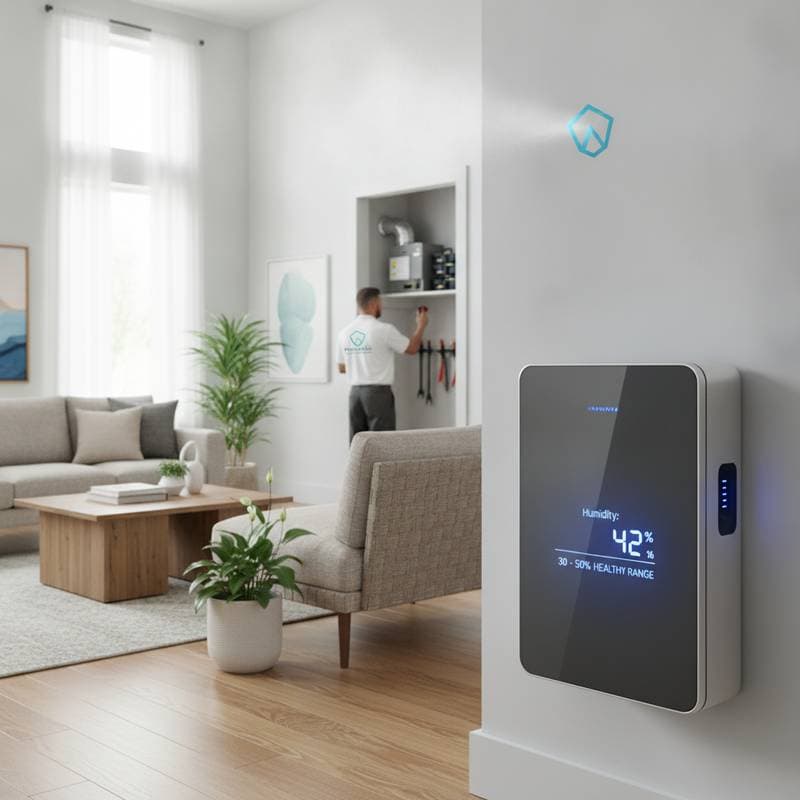
Maintain indoor relative humidity between 40 and 50 percent with dehumidifiers in damp areas such as basements. Seal ductwork to prevent humid air infiltration from attics or crawl spaces. Arrange professional cleanings each season to remove organic material that supports mold. Add insulation around ducts to reduce condensation on metal surfaces.
HVAC technician Mark Rivera noted that moisture management forms half the effort in system cleanliness. Keeping components dry prevents mold establishment.
Filter Costs and Lasting Advantages
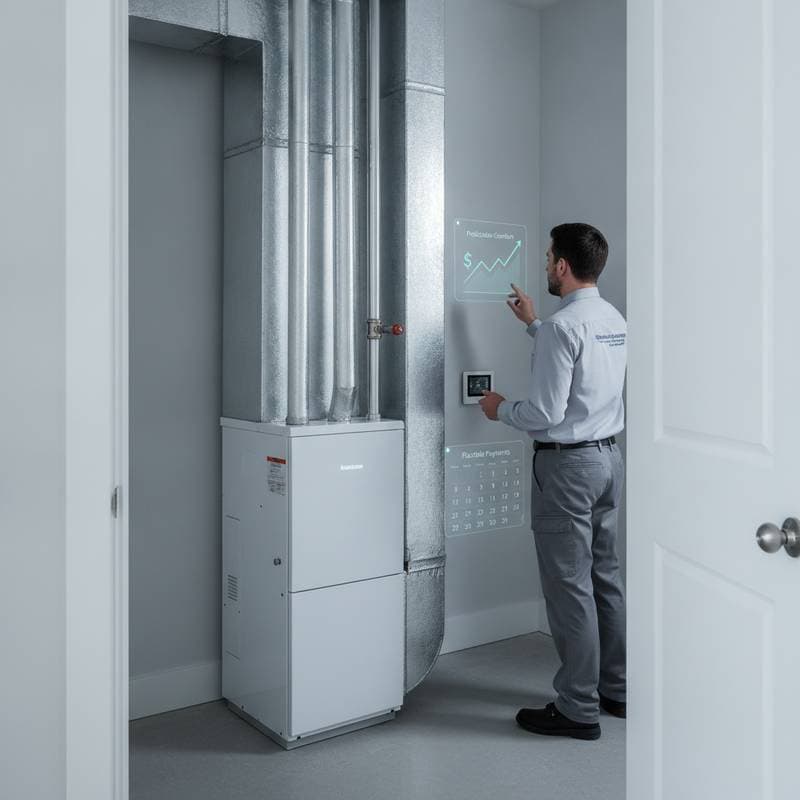
Moisture wicking filters range from 15 to 40 dollars each. This modest increase yields significant returns by avoiding mold remediation expenses that can exceed 1000 dollars. The filters also prolong the life of blowers coils and ducts through reduced corrosion and clogging.
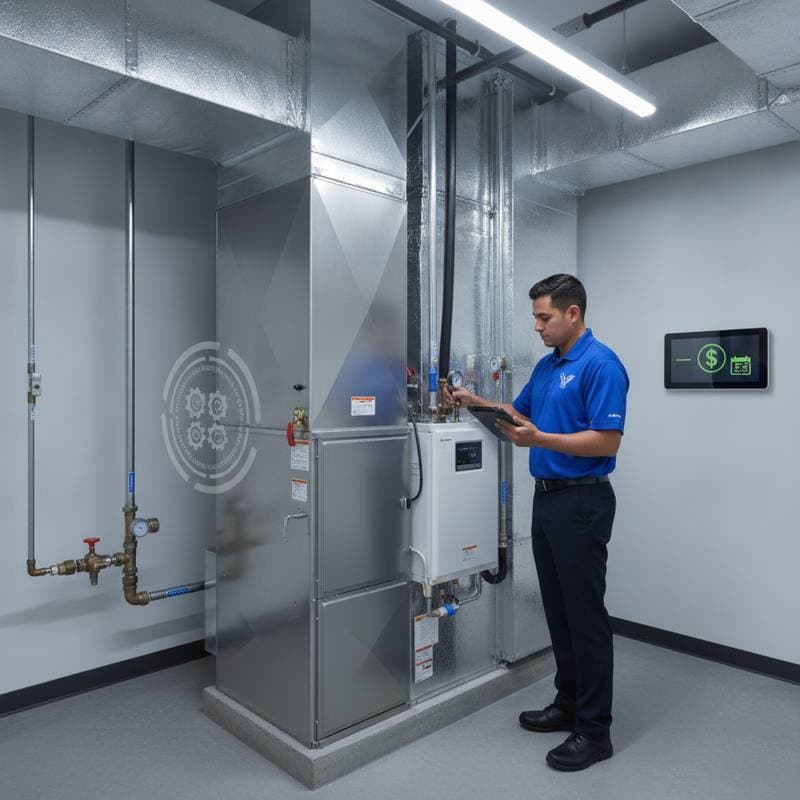
Homeowners can install most units themselves. Persistent moisture issues warrant inspection by a qualified technician to identify refrigerant leaks drainage problems or airflow imbalances.
Upgrading HVAC Protection
Moisture wicking filters create the dry clean conditions required for efficient operation. Success depends on scheduled replacements humidity control and professional maintenance. The outcome is fresher indoor air without hidden mold threats. Homeowners who notice musty odors should consult a qualified HVAC professional for assessment and tailored recommendations.