Moisture-Wicking Filters: A Proactive Solution for HVAC Mold Prevention in 2026
Average cost for moisture-wicking HVAC filters: $450 to $1,200
Professional installation cost: $150 to $400
Potential savings from mold prevention and efficiency improvements: $500 to $2,000
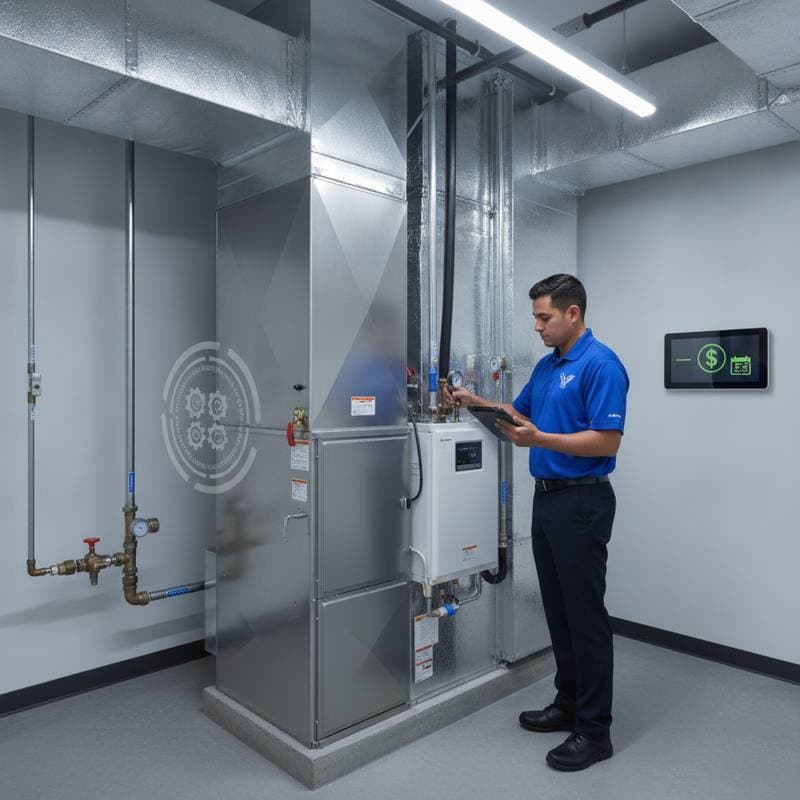
Homeowners face ongoing challenges with mold growth in HVAC systems, particularly in humid environments. Moisture-wicking filters address this issue directly by capturing water vapor from the air before it can condense on critical components. This technology not only protects the structural integrity of ducts, evaporator coils, and air handlers but also maintains optimal indoor air quality. The overall expense for these filters, encompassing materials and professional installation, varies from $450 to $1,200 based on factors such as system dimensions, filter brand, and regional labor charges.
To determine the best fit for a specific setup, homeowners should obtain estimates from certified HVAC specialists. These consultations allow for a detailed comparison of available filter types and associated installation fees, ensuring informed decision-making.
The Mechanism Behind Moisture-Wicking Filters and Mold Prevention
Mold flourishes in conditions of high moisture and limited light, which are common within evaporator coils and duct interiors. Moisture-wicking filters interrupt this process by absorbing excess humidity from incoming air and redirecting it away from vulnerable areas. Consequently, the system experiences reduced water buildup, leading to drier conditions throughout and a markedly lower probability of mold proliferation.
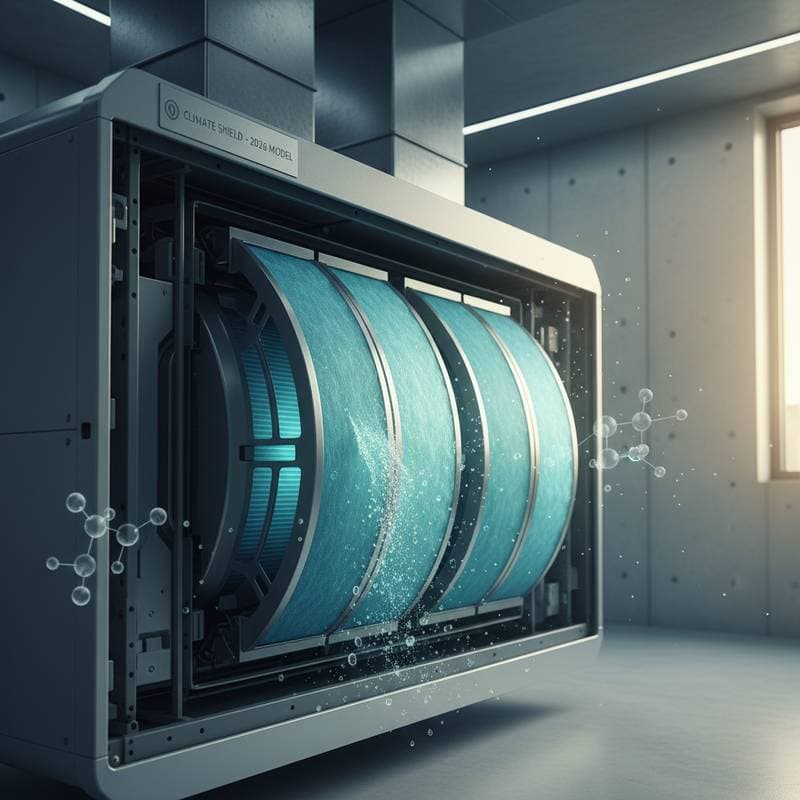
These filters incorporate specialized synthetic or chemically treated fibers designed to draw moisture from the airstream efficiently. As air flows through, the captured water evaporates gradually due to ongoing circulation, preventing saturation. This dynamic process sustains balanced humidity levels, preserves the cleanliness of internal components, and contributes to the long-term reliability of the HVAC unit. By integrating such filters, systems operate with greater consistency, minimizing disruptions from microbial contaminants.
Factors Influencing the Cost of Moisture-Wicking Filters
Several variables determine the final price of moisture-wicking filters and their installation. Understanding these elements enables homeowners to budget effectively and select options that align with their needs.
- Filter size and system compatibility: Systems with larger capacities demand oversized filters, which elevate both material and labor expenses.
- Material quality and filtration rating: Filters with elevated MERV or HEPA specifications employ denser fabrics, raising costs while delivering superior filtration and moisture control.
- Brand reputation and innovative features: Established manufacturers often include proprietary moisture-absorbing technologies or antimicrobial treatments, justifying premium pricing.
- Regional labor rates: Installation fees fluctuate with local market conditions, particularly in urban or high-cost regions.
- Existing system state: Units affected by prior dirt accumulation or mold may necessitate preliminary cleaning, which adds to the total outlay.
- Local humidity conditions: Residences in particularly moist climates benefit from enhanced filter capacities, potentially requiring supplementary dehumidification measures.
- Ongoing maintenance requirements: Consistent upkeep prolongs filter durability and mitigates frequent replacement needs over time.
- Warranty provisions: Extended coverage options influence the comprehensive cost of ownership by reducing future repair or replacement expenditures.
By evaluating these aspects, individuals can identify cost-effective solutions that balance upfront investment with enduring performance benefits.
Essential Maintenance Strategies for Sustained Mold Prevention
While moisture-wicking filters provide robust protection, comprehensive maintenance routines are vital to maximize their effectiveness. These practices ensure the HVAC system remains resilient against mold and operates at peak efficiency.
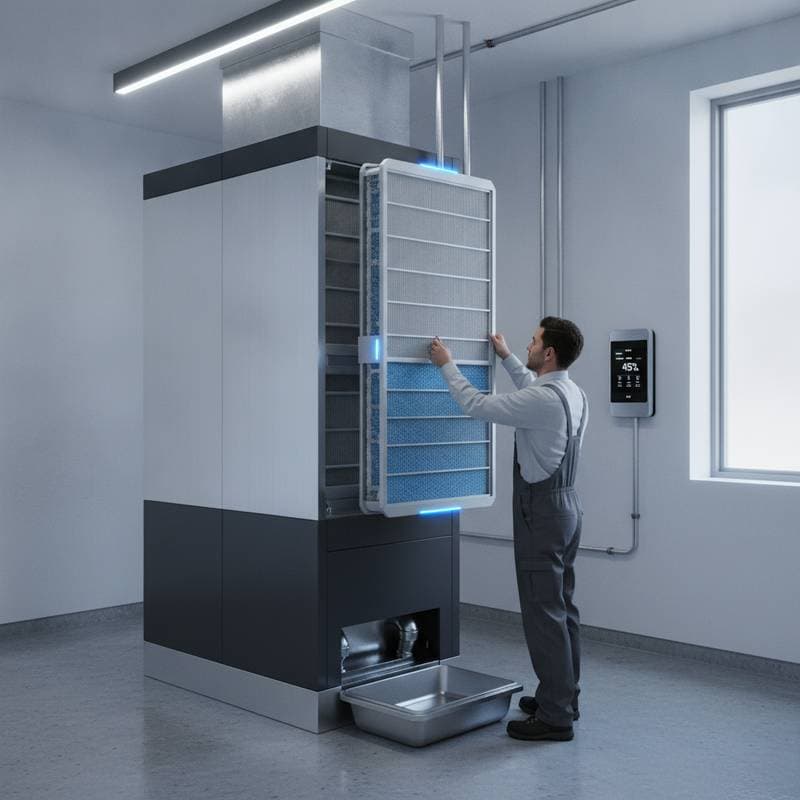
- Replace filters according to manufacturer guidelines to preserve optimal airflow and moisture absorption capabilities.
- Perform annual cleaning of coils and drain pans to eliminate any residual debris or moisture traps.
- Conduct regular inspections of ductwork for signs of condensation, leaks, or insulation degradation.
- Regulate indoor humidity levels to stay within the ideal range of 30 to 50 percent using integrated controls or standalone devices.
- Arrange biannual professional evaluations to detect early issues and verify system health.
- Remove surrounding vegetation and accumulated debris from outdoor condenser units to facilitate proper airflow and ventilation.
Implementing these measures not only extends the service life of the HVAC components but also prevents the dissemination of mold spores into living spaces, fostering a healthier indoor environment.
Strategies to Minimize Expenses on Moisture-Wicking Filters
Investing in moisture-wicking filters yields long-term advantages, yet strategic approaches can reduce initial and recurring costs. Homeowners who plan carefully often achieve significant savings without compromising quality.
- Bulk purchasing: Acquiring several filters simultaneously frequently qualifies for volume discounts, lowering the price per unit.
- Rebate programs: Manufacturers commonly provide incentives through seasonal promotions or rebate submissions, offsetting purchase costs.
- Off-season scheduling: Opting for installation during less busy periods, such as spring or fall, typically results in reduced labor charges.
- Service bundling: Pairing filter upgrades with routine annual servicing can secure bundled pricing and added conveniences.
- Humidity optimization: Effective control of home moisture levels prolongs filter longevity and diminishes the likelihood of mold-related interventions.
- Quote comparisons: Soliciting at least three detailed proposals from contractors ensures competitive pricing and tailored recommendations.
- Maintenance subscriptions: Joining provider plans often unlocks discounted rates for installations, replacements, and inspections.
These tactics empower homeowners to integrate advanced filtration affordably, enhancing system performance while controlling expenditures.
Frequently Asked Questions
How do moisture-wicking filters differ from standard filters?
Moisture-wicking filters employ unique fibers that actively absorb and evaporate humidity, thereby maintaining dry air pathways and inhibiting mold development. In contrast, conventional filters primarily capture particulate matter like dust and allergens without addressing moisture management.
How often should moisture-wicking filters be replaced?
Replacement intervals generally occur annually for most models, although advanced high-efficiency variants may endure up to two years, contingent upon operational demands and ambient humidity.
Can homeowners install moisture-wicking filters independently?
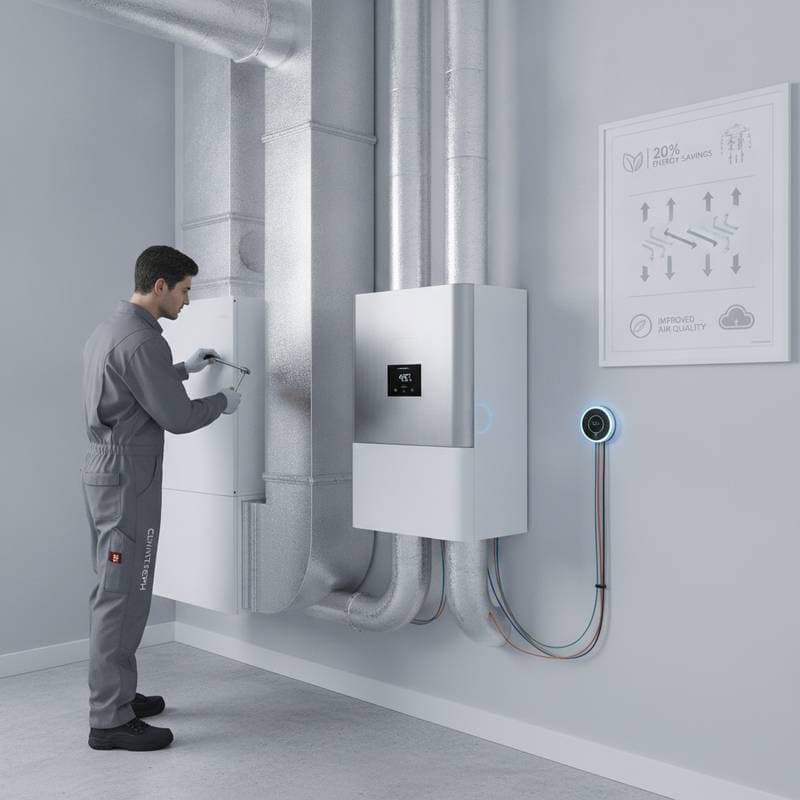
Certain designs align with standard filter compartments for DIY replacement, yet engaging professionals guarantees accurate fit, secure sealing, and balanced airflow to avoid system strain.
Are moisture-wicking filters suitable for every HVAC system?
They integrate well with the majority of central air conditioning and heat pump configurations, provided dimensions and airflow specifications match precisely prior to acquisition.
Do moisture-wicking filters enhance energy efficiency?
Indeed, by preventing moisture-induced blockages on coils and ducts, these filters promote unrestricted airflow, potentially decreasing energy consumption by as much as 10 percent.
What indicates mold presence within an HVAC system?
Common indicators include persistent musty smells, observable fungal growth on vents or coils, and sudden onset of respiratory or allergic reactions among occupants.
What supplementary measures prevent HVAC mold?
Additional safeguards encompass ultraviolet light installations, comprehensive home dehumidification systems, and periodic professional coil sanitization.
What is the cost of HVAC mold remediation if prevention efforts fail?
Remediation services by specialists range from $1,000 to $3,500, varying with the severity and scope of contamination.
Implementing Moisture-Wicking Filters to Safeguard Your Home
Adopting moisture-wicking filters marks a forward-thinking step toward mold-free HVAC operation and superior indoor comfort. These systems not only avert costly repairs but also promote energy savings and cleaner air circulation. Consult local HVAC experts today to assess compatibility and initiate upgrades, securing a resilient and healthy living environment well into 2026 and beyond.