HVAC Subscriptions: A Reliable Approach to Climate Control
Homeowners often face the challenge of unpredictable repair costs and the ongoing effort to maintain year-round comfort. One season, an air conditioner operates smoothly; the next, it fails during a heatwave, causing significant discomfort. HVAC subscription plans address these issues by providing a predictable fee structure that ensures system reliability, much like a streaming service for home climate management.
Reasons Homeowners Adopt HVAC Subscriptions
In areas with extreme weather, HVAC systems endure substantial stress, leading to costly breakdowns. For instance, replacing a compressor may exceed $1,200, and a blower motor repair can cost around $800. These expenses arrive without warning and strain budgets.
Subscription plans mitigate this by bundling routine maintenance, priority service, and potential replacement options into a fixed monthly or annual payment. Homeowners avoid per-incident charges and gain comprehensive coverage for tune-ups, inspections, and urgent repairs. This approach removes uncertainty from managing home comfort.
Core Components of HVAC Subscriptions
Plans vary by provider, yet most include essential features based on industry standards:
-
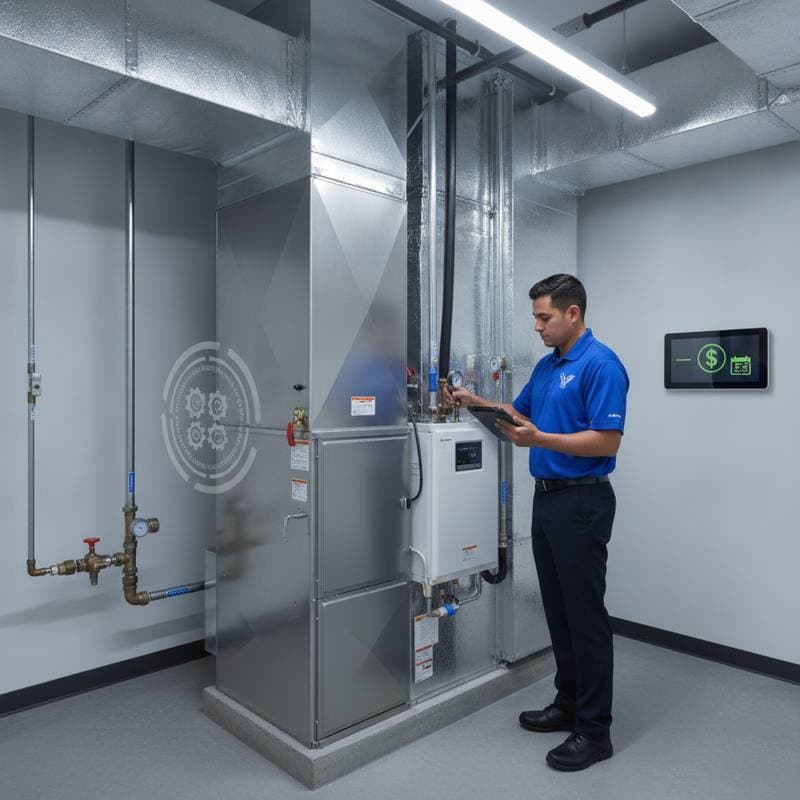
Routine Maintenance Visits
Conducted twice annually to align with cooling and heating seasons, these visits involve inspecting, cleaning, and adjusting key components for optimal performance. -
Priority Scheduling
Subscribers receive expedited service during high-demand periods, ensuring rapid response when systems fail under pressure, such as during intense summer heat. -
Discounts on Repairs and Parts
Reductions of 10 to 20 percent apply to necessary repairs, lowering out-of-pocket expenses for components and labor. -
Emergency Service Coverage
Certain plans cover after-hours and weekend services at no extra charge, preventing additional fees that could reach hundreds of dollars. -
System Replacement Credits
Higher-tier options build credits over time, which apply toward the cost of a new HVAC unit when the existing system nears the end of its service life.
Expert Perspective on Subscription Effectiveness
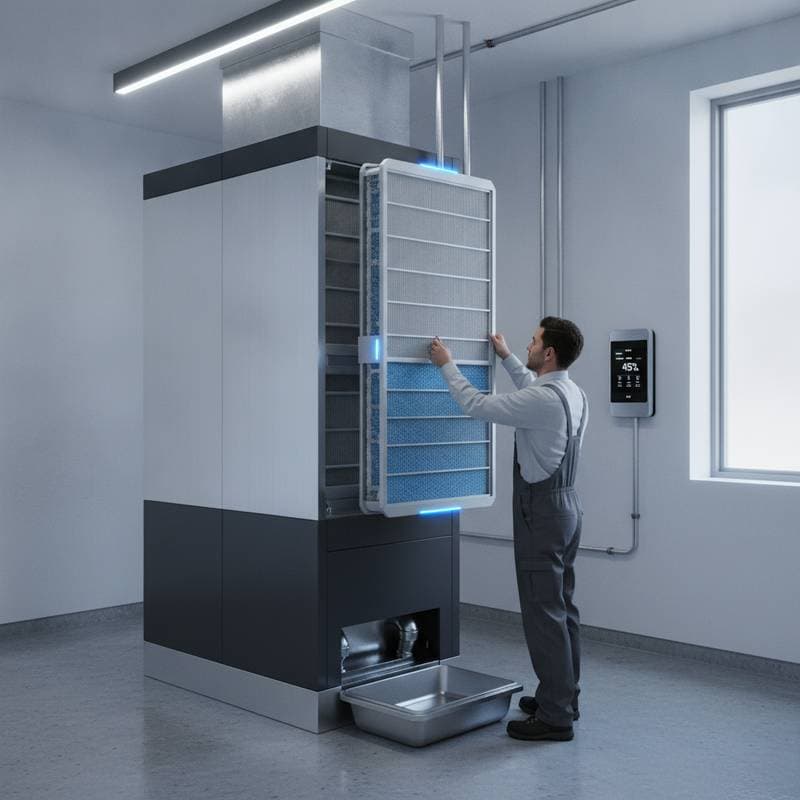
Preventive maintenance forms the foundation of these plans, allowing early detection of issues that could escalate. A neglected dirty coil or clogged drain line increases energy use and accelerates wear. Subscriptions promote efficiency, potentially cutting utility bills by up to 15 percent.
Maria Lopez, a service manager with extensive experience, notes, “Households on maintenance subscriptions experience far fewer complete system failures. We identify minor problems early, which saves clients substantial amounts.”
Selecting an Appropriate Subscription Plan
Tailor the choice to specific needs by evaluating these factors:
-
System Age and Condition
Newer units suit basic maintenance-focused plans, while older systems require broader coverage, including parts discounts or replacement credits. -
Household Usage Patterns
Homes with large families or pets often need enhanced services like additional filter replacements. Opt for plans offering flexible visit schedules. -
Budget and Priorities
Basic plans begin at approximately $15 monthly, with comprehensive ones up to $50. Assess inclusions beyond price to ensure value. -
Regional Climate Factors
In humid or coastal areas, plans addressing corrosion and moisture damage provide targeted protection against accelerated deterioration.
Evaluating Costs, Value, and Safety Benefits
A subscription often recoups its cost through fewer repairs and enhanced efficiency. For example, a $30 monthly plan covering two tune-ups and priority service can prevent a single breakdown, which might otherwise cost far more.
Safety improves with regular checks that identify risks such as carbon monoxide leaks or electrical faults. HVAC systems demand the same attention as vehicle maintenance to avoid hazards. Many local regulations also require inspection records for warranties or home sales, and subscriptions maintain these documents efficiently.
Strategies to Maximize Subscription Value
-
Maintain Detailed Records
Store service receipts and notes to monitor trends and support warranty claims. -
Explore Add-On Services
Inquire about member discounts for duct cleaning, thermostat adjustments, or air quality assessments. -
Plan Appointments in Advance
Schedule tune-ups before peak seasons to secure thorough evaluations without delays. -
Engage During Services
Accompany technicians to gain insights into maintenance processes and future needs.
Growing Appeal of the Subscription Approach
Monthly payments for services like entertainment and security have normalized the model, making HVAC subscriptions a logical extension. This shift emphasizes proactive care over reactive fixes, converting variable costs into steady expenses.
Data indicates that subscribed homes see up to 40 percent fewer emergency service requests. Beyond convenience, this reliability ensures consistent comfort, free from the anxiety of unexpected failures on extreme weather days.
Steps to Implement an HVAC Subscription
To adopt this model, consult a reputable provider familiar with local conditions. Share details about your system age, usage patterns, and comfort goals for a customized recommendation. Such plans deliver efficiency, cost control, and dependable performance.
The assurance of a protected HVAC system translates to tangible benefits: steady operation, reduced energy costs, and uninterrupted home comfort throughout the seasons.