HVAC Subscription Versus Ownership Costs in 2026
Monthly HVAC subscriptions range from $90 to $250, while full system ownership requires $5,500 to $14,000 for installation. This choice influences initial outlays and ongoing expenses significantly. Select the approach that aligns with your financial situation, property dimensions, and desired reliability.
Cost Comparison Overview
| Service Type | Average Cost |
|---|---|
| HVAC Subscription | $90 to $250 per month |
| Full System Purchase | $5,500 to $14,000 total |
| Equipment Leasing | $120 to $300 per month |
| Annual Maintenance | $150 to $600 per year |
| Emergency Repair | $150 to $450 per visit |
| Metric | Amount |
|---|---|
| National Average | $9,200 |
| Minimum Cost | $5,000 |
| Maximum Cost | $15,000 |
| Average Range | $7,000 to $11,000 |
Data derives from industry research and reported project expenses.
What HVAC Subscriptions Entail
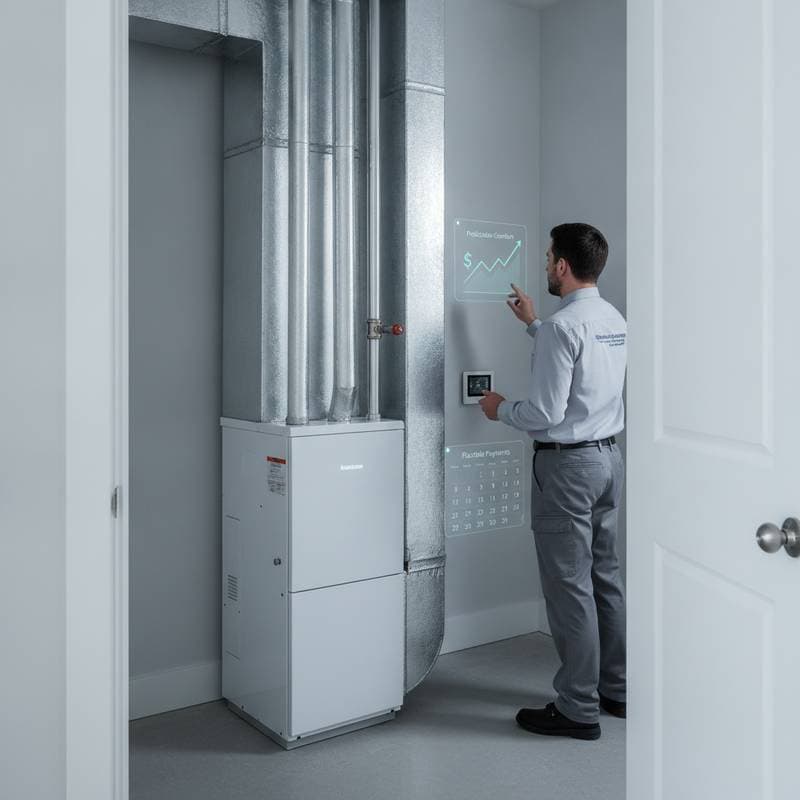
HVAC subscriptions provide equipment, installation, routine maintenance, and repair services through a fixed monthly fee. This model eliminates large initial payments in favor of steady installments. Providers retain ownership of the system, offering options to renew, upgrade, or terminate at contract end.
Such plans appeal to those seeking consistent budgeting and reduced upkeep duties. Coverage typically extends to emergencies, warranties, and potential upgrades throughout the agreement term.
What HVAC Ownership Involves
Ownership requires paying the complete installation cost upfront or via financing. Responsibility falls on the homeowner for all maintenance, repairs, and future replacements. This path grants full control and eventual cost-free operation after payoff.
It benefits individuals intending long-term residency, as it builds asset value and sidesteps perpetual fees. Initial capital demands prove substantial, however.
In-Depth Cost Analysis
Subscription Pricing by Tier
| Subscription Type | Average Monthly Cost | Key Inclusions |
|---|---|---|
| Basic | $90 to $130 | Equipment and standard maintenance |
| Standard | $130 to $180 | Maintenance, repairs, filter changes |
| Premium | $180 to $250 | Repairs, parts, upgrades, smart controls |
Providers structure tiers to match needs; advanced levels incorporate efficient units and expedited support.
Ownership Costs by System Variety
| System Type | Average Installed Cost |
|---|---|
| Central Air and Furnace | $8,000 to $14,000 |
| Heat Pump | $6,500 to $12,000 |
| Ductless Mini-Split | $5,500 to $10,500 |
| Packaged Unit | $7,000 to $11,000 |
System selection impacts expenses; comprehensive setups suit expansive residences, whereas compact options fit additions or modest areas.
Breakdown of Labor and Materials
| Component | Average Cost |
|---|---|
| Equipment | $4,000 to $9,000 |
| Labor | $1,500 to $4,000 |
| Ductwork | $2,000 to $5,000 |
| Thermostat and Controls | $150 to $500 |
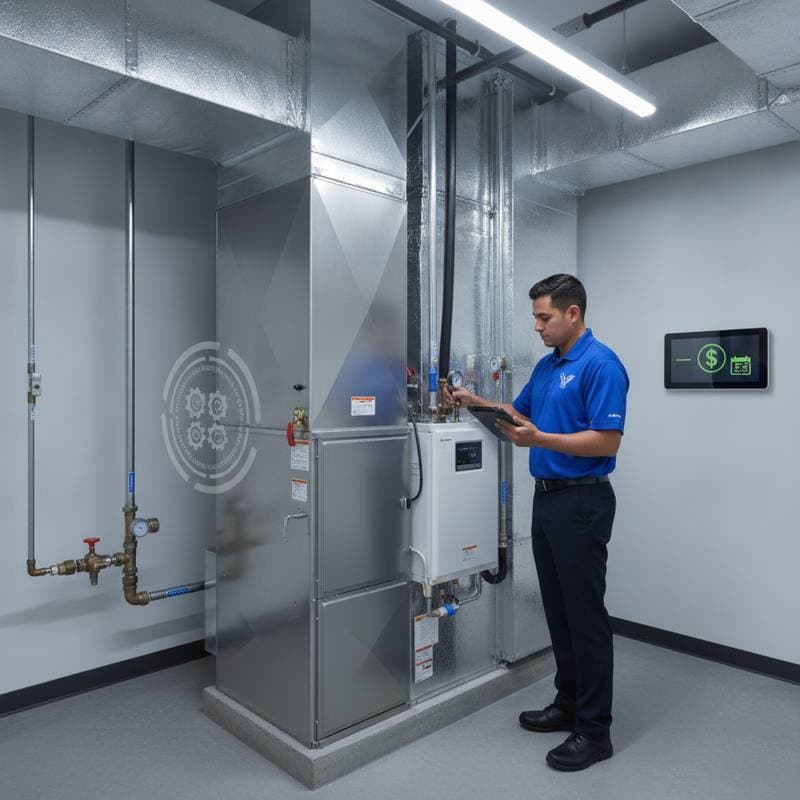
Labor constitutes 25 to 40 percent of totals. Subscriptions distribute these over time, contrasting with ownership's immediate burden.
Influences on HVAC Expenses
System capacity scales with home size; each extra ton of cooling adds $1,000 to $2,000. Higher efficiency metrics, such as SEER or AFUE, elevate upfront prices yet reduce energy consumption long-term.
Premium brands command $1,000 to $3,000 premiums for superior durability and guarantees. Installation challenges, regional variations, and contract durations further modulate costs.
Comprehensive maintenance inclusions raise monthly rates but avert unforeseen bills. Older systems may incur removal fees, frequently absorbed in subscriptions.
Additional Associated Costs
| Service | Average Cost |
|---|---|
| Permits and Inspections | $150 to $500 |
| Old System Removal | $200 to $600 |
| Duct Cleaning | $300 to $700 |
| Smart Thermostat | $150 to $400 |
| Electrical/Gas Updates | $250 to $1,000 |
Subscriptions integrate many extras; ownership demands separate handling. Verify inclusions prior to commitment.
Essential Maintenance Practices
Regular attention sustains system efficacy, regardless of model.
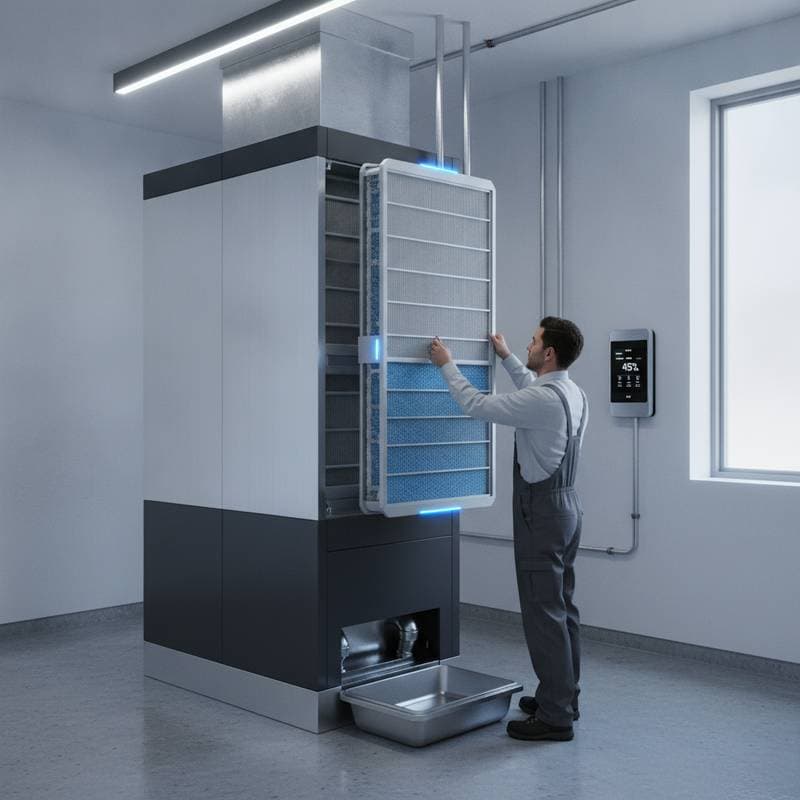
- Arrange biannual tune-ups to optimize performance.
- Swap filters monthly to quarterly.
- Clear vents and exterior units of obstructions.
- Inspect drain lines for clogs.
- Pursue energy audits for enhancement opportunities.
- Document services to uphold warranties.
Owners allocate $150 to $600 annually for expert care.
Deciding on Repairs or Replacements
Assess age, efficiency, and repair scale; units over ten years with costs surpassing 40 percent of replacement value warrant renewal. Subscriptions automate this process.
Owners evaluate individually.
| Factor | Recommendation |
|---|---|
| Under 8 Years Old | Repair |
| Repeated Failures | Replace |
| Elevated Energy Costs | Replace |
| Simple Electrical Fix | Repair |
| Obsolete Refrigerant | Replace |
Strategies to Minimize Expenses
- Obtain quotes from several subscription and ownership specialists.
- Seek rebates and credits for efficient installations.
- Opt for balanced mid-range equipment.
- Combine with related upgrades like insulation to cut fees.
- Engage during low-demand periods for reduced rates.
- Secure written maintenance details.
- Examine warranty provisions thoroughly.
- Inquire about future buyout possibilities.
Common Inquiries
What is the monthly cost of an HVAC subscription?
Plans range from $90 to $250, scaled by system and coverage. Advanced options encompass maintenance, repairs, and enhancements.
Does ownership yield long-term savings?
Over 10 to 15 years, ownership proves economical post-payoff. Subscriptions offer short-term accessibility with integrated services.
Is buying out a subscription possible?
Providers frequently permit buyouts after initial years, priced by remaining value and contract stipulations.
What occurs at subscription conclusion?
Renew, upgrade, or cancel with equipment removal. Transitions to ownership may apply.
Do subscriptions cover repairs?
Most include parts and labor; review limits and exclusions.
How durable are HVAC systems?
Expect 12 to 20 years with upkeep. Subscriptions facilitate 8- to 10-year upgrades.
Suitability for rentals?
Ideal for landlords desiring fixed costs and provider-managed services.
Potential drawbacks of subscriptions?
Lack of ownership and cumulative costs may surpass purchase; early termination fees apply.
Inclusion of filters and add-ons?
Premium tiers cover these; basics focus on core units.
Transition from ownership to subscription?
Providers often support leasing new systems upon old unit obsolescence.
Selecting a Reliable HVAC Provider
Reliable partners deliver transparent pricing and consistent support. Proceed as follows:
- Solicit three local quotes.
- Confirm licensing and insurance.
- Evaluate expertise in both models
- Review testimonials and BBB standings.
- Demand itemized breakdowns.
- Verify warranties and schedules.
- Request technician credentials like NATE.
- Scrutinize policies on cancellation and upgrades.
Essential Questions for Contractors
- Do you hold local licensing and insurance for HVAC?
- Which brands and systems do you handle?
- Do you provide subscription and ownership alternatives?
- What does maintenance cover or omit?
- Is subscription buyout available?
- What is typical installation duration?
- Are emergencies covered?
- What warranties apply to parts and labor?
- Do you manage permits and inspections?
- How do you assess sizing and efficiency?
- Are incentives or rebates offered?
- What is the replacement procedure under subscription?
Aligning HVAC Choices with Home Needs
Selecting between subscription and ownership hinges on lifestyle and finances. Subscriptions deliver hassle-free operation and budgeting ease, ideal for transient or maintenance-averse households. Ownership fosters independence and savings for established residents. Weigh these against your circumstances to secure enduring comfort and efficiency.