Prevent Mold in 2025 with HVAC Moisture Control
Whole-home dehumidifier installation typically ranges from $1,500 to $3,500. HVAC moisture inspection and testing costs between $150 and $600. An HVAC system upgrade incorporating humidity control may run from $3,000 to $8,000.
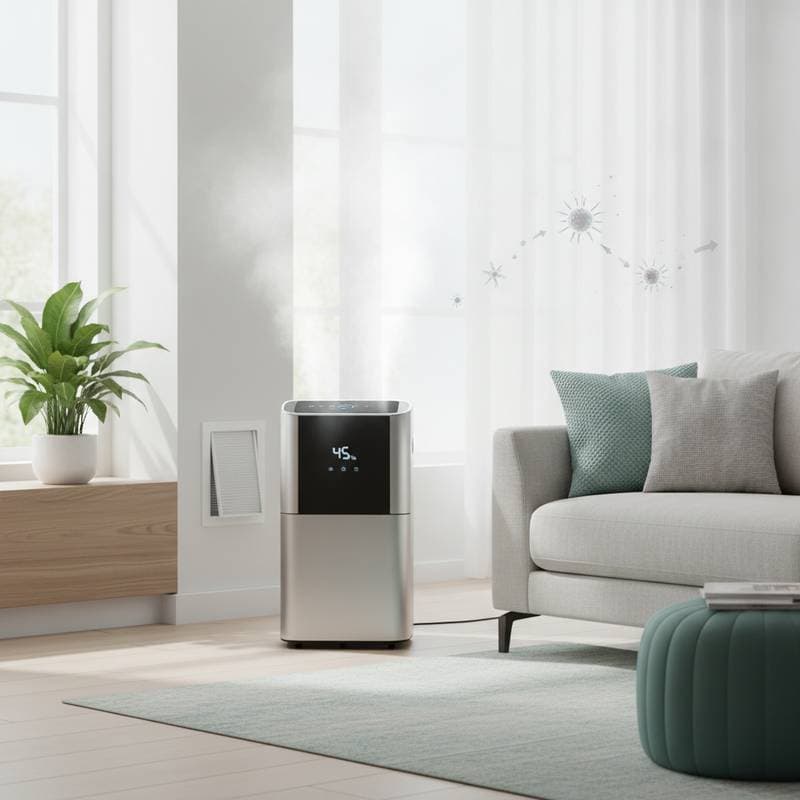
Maintaining balanced indoor humidity stands as one of the most effective strategies to halt mold growth in homes. Proper HVAC moisture control fosters healthy air quality, safeguards structural integrity, and minimizes repair expenses. Homeowners generally invest between $1,500 and $3,500 in a whole-home dehumidification system, with variations based on home size, local climate, and unit efficiency.
Overview of HVAC Moisture Control Costs
The following table outlines average costs for key services.
| Service Type | Average Cost |
|---|---|
| Whole-home dehumidifier installation | $1,500 to $3,500 |
| Portable dehumidifier system | $200 to $800 |
| HVAC moisture inspection | $150 to $600 |
| Duct cleaning and sealing | $300 to $900 |
| Smart thermostat with humidity control | $150 to $400 |
Additional metrics include a national average of $2,400, minimum costs starting at $150, maximums up to $8,000, and a typical range of $1,500 to $3,500. These figures derive from industry research and reported project expenses.
A whole-home dehumidifier emerges as the superior long-term approach to eliminating moisture that fosters mold and mildew. Regular inspections and enhancements, such as humidity-control thermostats, prolong HVAC system longevity and elevate indoor comfort levels.
How HVAC Systems Regulate Indoor Moisture
HVAC systems inherently extract moisture during cooling operations. As warm air flows over the evaporator coil, condensation develops and drains off. A correctly sized and maintained system sustains relative humidity between 30 and 50 percent, levels that inhibit mold spore proliferation.
Prolonged humidity exceeding 60 percent invites mold development on vents, ducts, insulation, and walls. Active moisture management via the HVAC system proves indispensable in such scenarios.
Breakdown of Specific Costs
Costs for Whole-Home Dehumidifier Installation
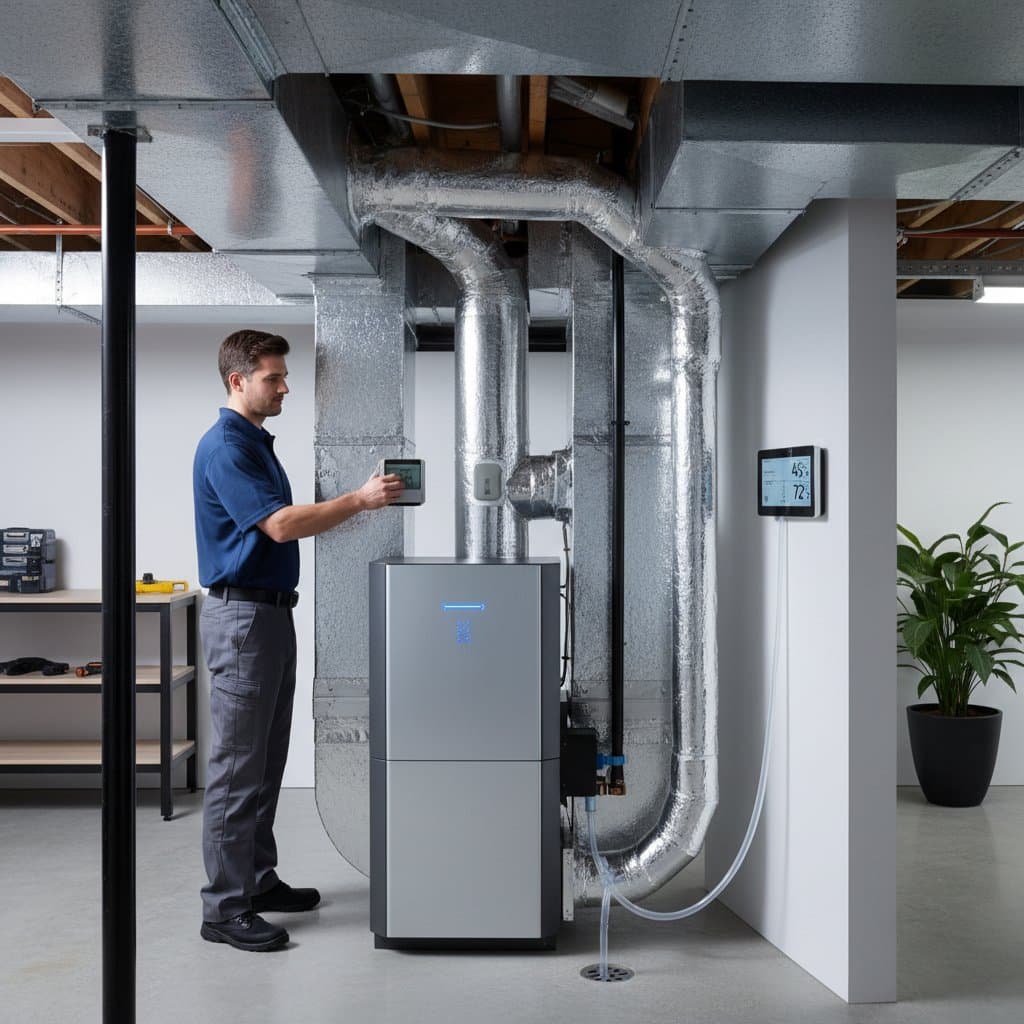
Average installation of a whole-home dehumidifier falls between $1,500 and $3,500. These units integrate with HVAC ductwork to systematically remove moisture from circulating air. Premium models equipped with smart sensors and automated drainage may exceed $4,000, whereas basic options for smaller residences approach $1,200.
Comparing Portable and Integrated Dehumidifiers
Portable dehumidifiers offer a budget-friendly interim solution at $200 to $800. They target single rooms and demand manual reservoir emptying. In contrast, integrated whole-home units deliver greater efficiency for comprehensive mold prevention, despite the higher initial outlay.
Expenses for HVAC Inspection and Testing
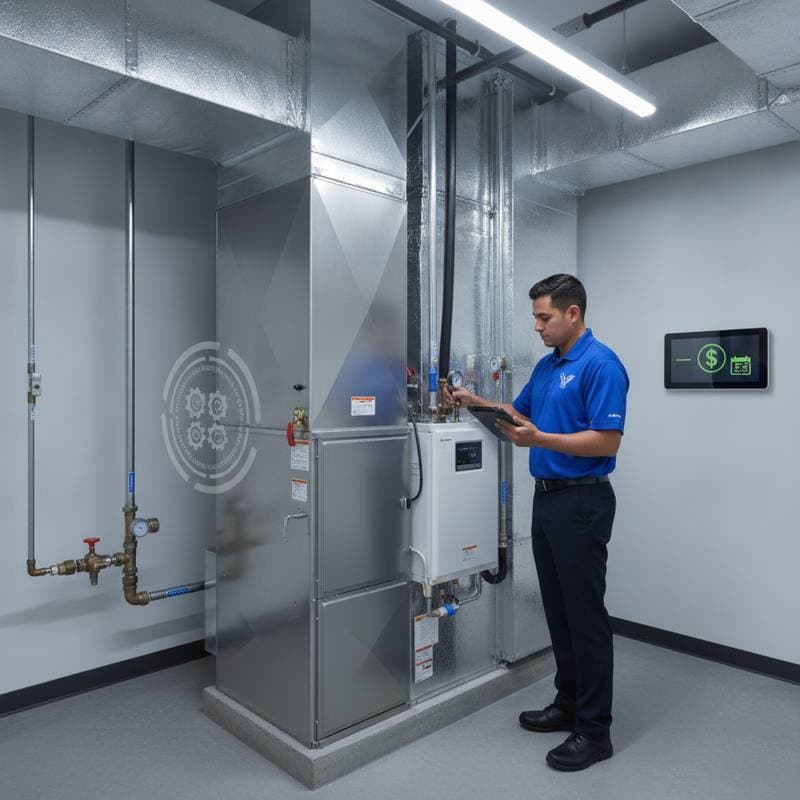
Professional assessments of moisture levels cost $150 to $600. Technicians gauge humidity, scrutinize condensate drains, and detect duct leaks. Early detection averts the need for expensive mold remediation down the line.
Duct Sealing and Cleaning Expenses
Leaky ducts permit humid air intrusion into the system. Services for cleaning and sealing range from $300 to $900, yielding improvements in air quality and energy use.
Smart Thermostat Humidity Control Costs
Incorporating a smart thermostat with humidity features costs $150 to $400. These units modulate fan speeds and cooling cycles to uphold ideal moisture balances.
Factors Influencing HVAC Moisture Control Expenses
Multiple elements determine the total investment in humidity management and mold prevention.
- System size: Larger residences demand more robust units, elevating equipment and labor charges.
- Climate: Humid areas necessitate stronger systems, whereas arid zones require only modest modifications.
- Existing HVAC condition: Aging setups often involve preliminary repairs to ducts or coils before dehumidifier addition.
- Efficiency rating: Advanced units carry premium prices but yield savings on energy over time.
- Accessibility: Confined spaces like crawl spaces or attics extend labor duration.
- Drainage setup: New condensate lines or pumps add to material expenses.
- Smart features: Wi-Fi integration and sensors increase costs while boosting functionality.
- Professional labor rates: Labor comprises 30 to 40 percent of the total, varying by region.
Associated Costs and Complementary Services
Beyond core installations, related services may arise during upgrades.
| Service | Typical Cost |
|---|---|
| Mold inspection | $250 to $650 |
| Mold remediation | $1,000 to $6,000 |
| Drain line replacement | $150 to $350 |
| Insulation replacement | $400 to $1,200 |
| Air purifier addition | $300 to $700 |
Tackling these elements maximizes the effectiveness of moisture control investments. For instance, a new dehumidifier underperforms if ducts harbor dirt or insulation retains dampness.
Maintenance Strategies for Sustained Protection
Mold prevention hinges on ongoing vigilance. Routine HVAC upkeep regulates humidity and optimizes system performance.
Follow these practical steps:
- Change air filters every one to three months to ensure proper airflow.
- Arrange annual professional tune-ups to examine coils and drains.
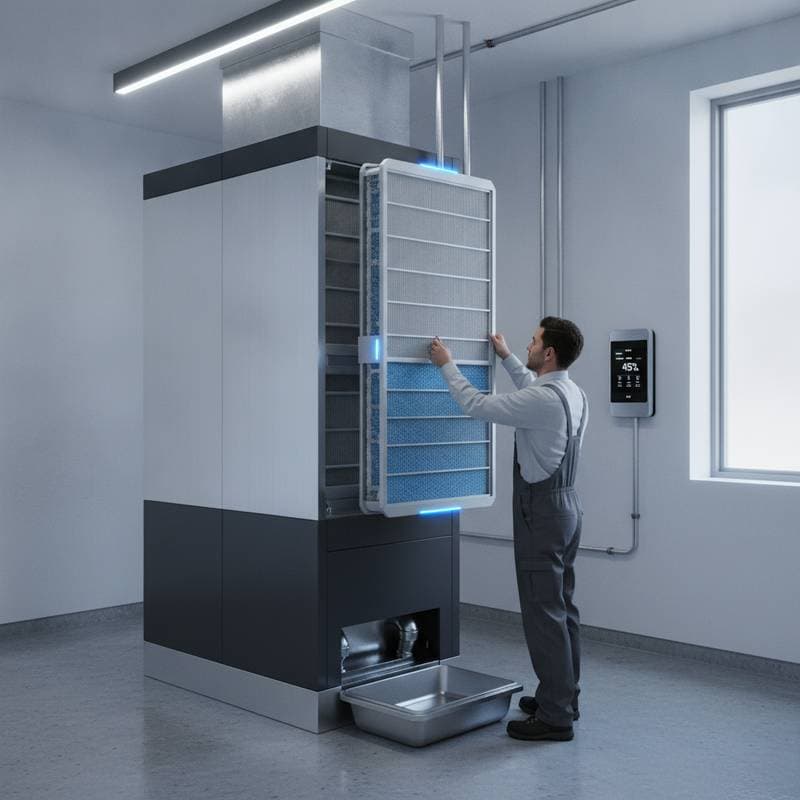
- Clean condensate pans and lines to eliminate standing water.
- Monitor humidity with a hygrometer, targeting 30 to 50 percent.
- Seal duct joints using mastic to prevent humid air entry.
- Keep vents unobstructed by furniture or drapes for optimal circulation.
- Operate exhaust fans in bathrooms and kitchens during use.
- Examine attic insulation for moisture after significant rainfall.
Seasonal attention maintains a dry, mold-resistant HVAC environment.
Repair Versus Replacement for Effective Mold Prevention
Persistent humidity challenges complicate choices between repairs and full replacements. Systems over ten years old, or those failing to resolve moisture post-maintenance, often warrant upgrades for better value.
Opt for replacement if:
- The unit operates nonstop yet humidity remains elevated.
- Coils or ducts exhibit mold or corrosion.
- Repair costs surpass half the price of a new system.
- Energy consumption rises despite steady settings.
Contemporary HVAC units incorporate variable-speed fans and built-in humidity sensors for precise airflow regulation. Such innovations stabilize moisture levels and substantially curb mold threats.
Strategies to Reduce HVAC Moisture Control Expenses
Strategic planning curbs costs without compromising humidity management.
- Obtain quotes from several licensed HVAC contractors to evaluate pricing on labor and materials.
- Time installations for off-peak seasons to access potential discounts.
- Seek rebates from utilities for efficient HVAC or dehumidification equipment.
- Select Energy Star certified models to minimize ongoing energy expenses.
- Combine services like duct cleaning with humidifier setup for bundled savings.
- Perform regular maintenance to sidestep emergency repair fees.
- Enhance insulation and seal air leaks to limit moisture ingress.
- Employ programmable thermostats to fine-tune cycles and humidity.
Consistent upkeep further trims humidity-related outlays.
Common Questions on HVAC Mold Prevention
What is the cost of humidity control via HVAC?
Homeowners typically allocate $1,500 to $3,500 for a whole-home dehumidification system. Modest enhancements, such as smart thermostats or duct sealing, fall below $1,000.
What humidity level inhibits mold?
Aim for 30 to 50 percent indoor humidity. Mold emerges when levels persist above 60 percent.
Do air conditioners sufficiently dehumidify to stop mold?
Air conditioners extract some moisture, but humid regions often require supplementary dehumidifiers or system enhancements for adequate control.
How frequently should HVAC systems undergo moisture checks?
Conduct inspections annually. Professionals should review condensate drains, coils, and ducts for leaks or accumulations.
Do dirty ducts promote mold?
Yes. Trapped dust and moisture in ducts cultivate mold. Periodic cleaning mitigates this risk.
Which HVAC filter best prevents mold?
HEPA filters or those with MERV ratings of 11 or above effectively trap mold spores and fine particles.
Is it advisable to use both humidifiers and dehumidifiers?
Most climates demand only one, based on dryness or excess moisture. Advanced HVAC systems can alternate functions automatically.
How do smart thermostats regulate moisture?
They track humidity and modify HVAC operations to sustain equilibrium, conserving energy and diminishing mold hazards.
What signals early HVAC mold presence?
Musty smells, dark spots near vents, and heightened allergies indicate issues. Prompt professional inspection follows.
Can homeowners clean mold from HVAC ducts independently?
Surface mold on vents responds to mild cleaners, but internal duct mold demands expert remediation for completeness and safety.
Selecting and Engaging HVAC Professionals
Qualified contractors ensure reliable installations and enduring outcomes. Proceed as follows:
- Verify state licensing and insurance.
- Secure detailed written estimates covering labor, materials, and equipment.
- Seek NATE or equivalent certifications.
- Review online feedback and local referrals.
- Gather at least three comparable quotes.
- Evaluate warranty terms for labor and parts.
- Inquire about maintenance plans including moisture evaluations.
- Establish clear timelines prior to commencement.
Expert setup guarantees efficient moisture control from installation onward.
Key Questions for Your HVAC Contractor
- Do you hold licensing and insurance for HVAC work?
- Which dehumidifier brands do you endorse, and why?
- How will you determine the appropriate system size for my humidity profile?
- What annual maintenance does the system entail?
- What warranties apply to parts and labor?
- Can you provide references from comparable installations?
- Will the project involve new ductwork or drainage?
- What efficiency ratings feature in your recommended systems?
- How long does the full installation process take?
- Do you conduct post-installation humidity assessments?
These inquiries align expectations and identify contractors committed to excellence.
Sustaining Your Moisture Control System
After implementation, diligent care upholds system efficacy and air purity. Annual tune-ups, timely filter changes, and humidity monitoring form the foundation. These practices shield your home from mold, preserve equipment, and promote lasting comfort.
Address rising humidity or window condensation swiftly with a certified technician. Proactive measures transform potential issues into manageable ones, securing a healthier, more efficient residence for years to come.