Preventing Mold in 2025: Mastering Humidity Control with HVAC Systems
Homeowners often face subtle signs of humidity issues, such as a musty odor in the basement following rain or condensation on windows during humid weather. These indicators signal an imbalance in indoor moisture levels that can lead to mold growth if ignored. Fortunately, advanced HVAC systems offer reliable methods to restore balance and maintain a healthy indoor environment.
Understanding the Moisture Challenge
In areas with humid summers or tightly sealed homes during winter, indoor humidity can exceed safe thresholds rapidly. Mold flourishes when relative humidity surpasses 60 percent, often taking hold in concealed areas like behind walls or within ducts. Field experience reveals that minor issues, such as a crawl space leak or an improperly sized air conditioner, can disrupt the entire climate control.
Beyond air quality degradation, high humidity warps wood flooring, causes paint to blister, and diminishes insulation effectiveness. Industry statistics indicate that affected homes incur up to 25 percent higher energy expenses annually, as conditioning damp air demands greater effort. Effective management requires consistent moisture removal integrated into the HVAC framework.
Integrating Humidity Control into HVAC Design
Treat humidity regulation as a core element of home comfort planning rather than a secondary feature. A well-calibrated HVAC system functions as the central regulator, distributing air while sustaining optimal moisture levels. This approach halts mold development at its source.
Optimizing for humidity yields several benefits:
- Fresher, more breathable indoor air
- Diminished chances of mold, mildew, and odors
- Steady temperatures without abrupt fluctuations
- Decreased energy consumption through enhanced efficiency
- Extended lifespan for HVAC components by reducing strain
Key Strategies for Humidity Management and Mold Prevention
1. Achieve Optimal HVAC Sizing
An oversized air conditioner cools spaces swiftly but cycles off before adequately dehumidifying, resulting in persistent clamminess. Conversely, an undersized unit operates nonstop, accelerating wear. Conduct a professional Manual J load calculation to align the system with home size, insulation quality, and local climate conditions. Balance ensures thorough moisture extraction alongside cooling.
2. Install Whole-Home Dehumidification
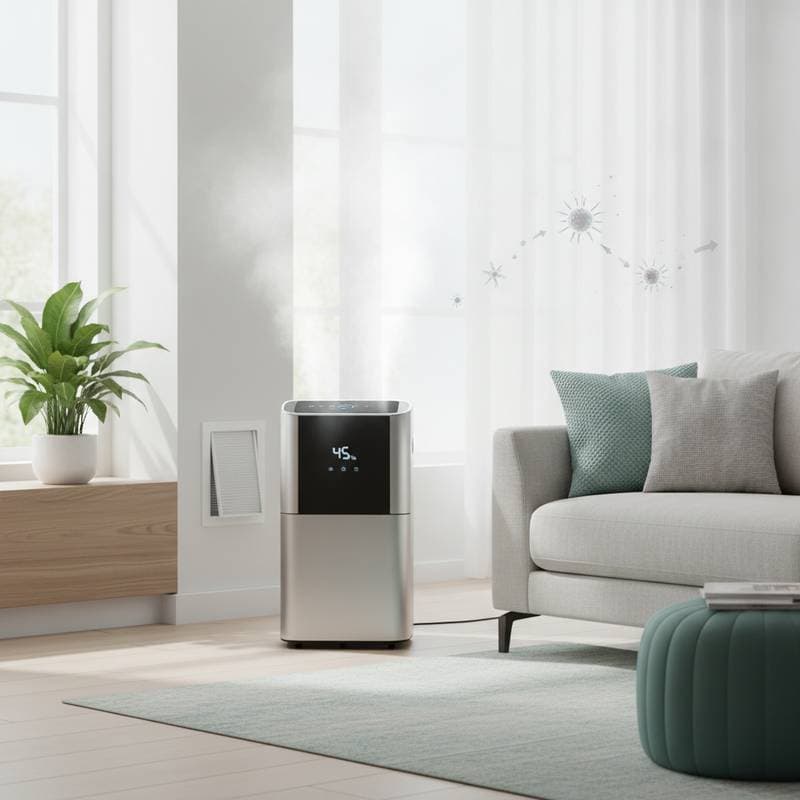
Whole-home dehumidifiers link seamlessly to HVAC setups, extracting excess moisture across all areas. Unlike standalone portables limited to single rooms, these units sustain uniform levels house-wide. Target 40 to 50 percent relative humidity, with built-in sensors providing real-time adjustments for a protected indoor haven.
3. Optimize Ventilation and Air Circulation
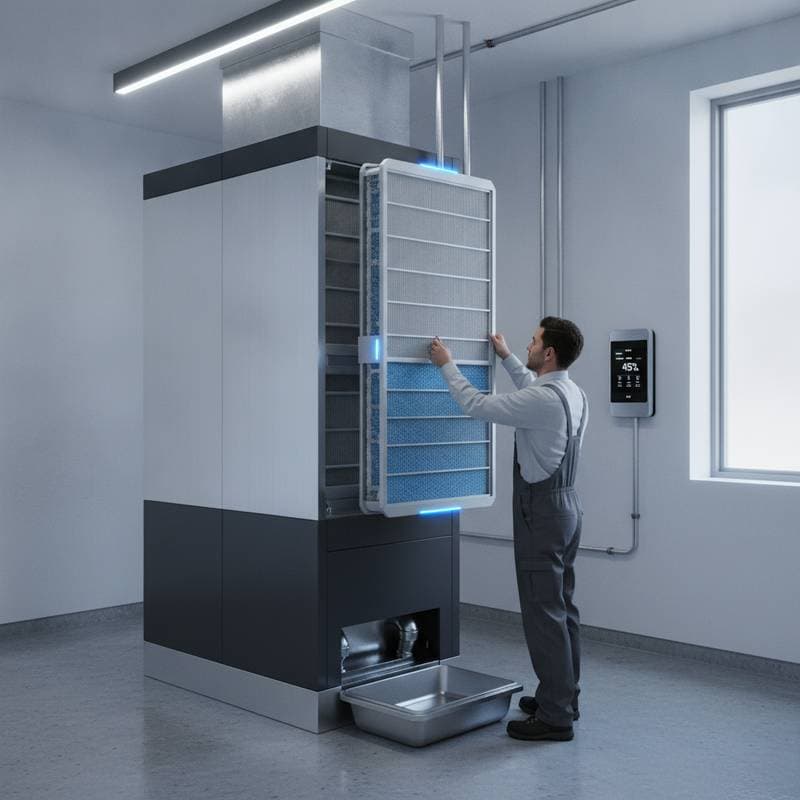
Superior equipment proves ineffective against restricted airflow. Obstructed registers, soiled filters, and duct leaks foster moisture pockets. Arrange annual duct assessments and swap filters every one to three months. Verify that bathroom and kitchen exhausts discharge outside, avoiding recirculation of humid air into living zones.
4. Adopt Variable-Speed Technology
Variable-speed compressors and air handlers modulate output incrementally to match demand precisely. Longer, low-speed cycles enhance dehumidification while conserving energy. Homeowners report 10 to 15 percent reductions in utility costs after such upgrades, alongside quieter performance and uniform conditions.
5. Leverage Smart Thermostats for Ongoing Oversight
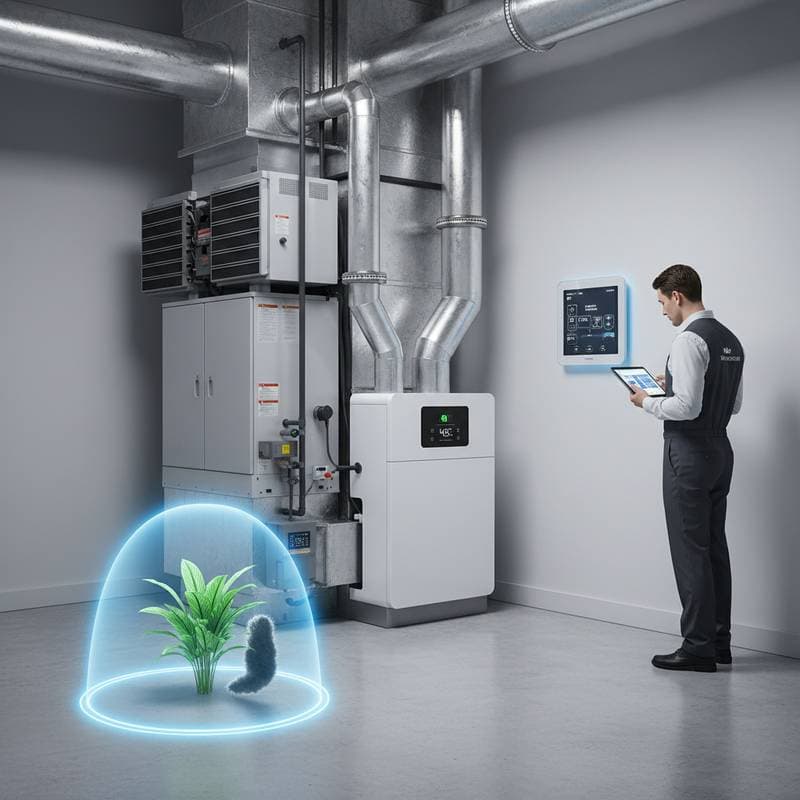
Contemporary thermostats measure both temperature and humidity, delivering data via apps for proactive decisions. Advanced models activate dehumidifiers or fans autonomously when thresholds are approached. This vigilance averts mold-friendly environments proactively.
Maintenance Essentials, Cost Considerations, and Safety Protocols
Addressing humidity demands attention to installation and upkeep details. Whole-home dehumidifier setups range from $1,500 to $3,000, varying by size and HVAC compatibility. These investments offset potential mold cleanup costs, which often surpass $5,000 for average cases, excluding health and structural impacts.
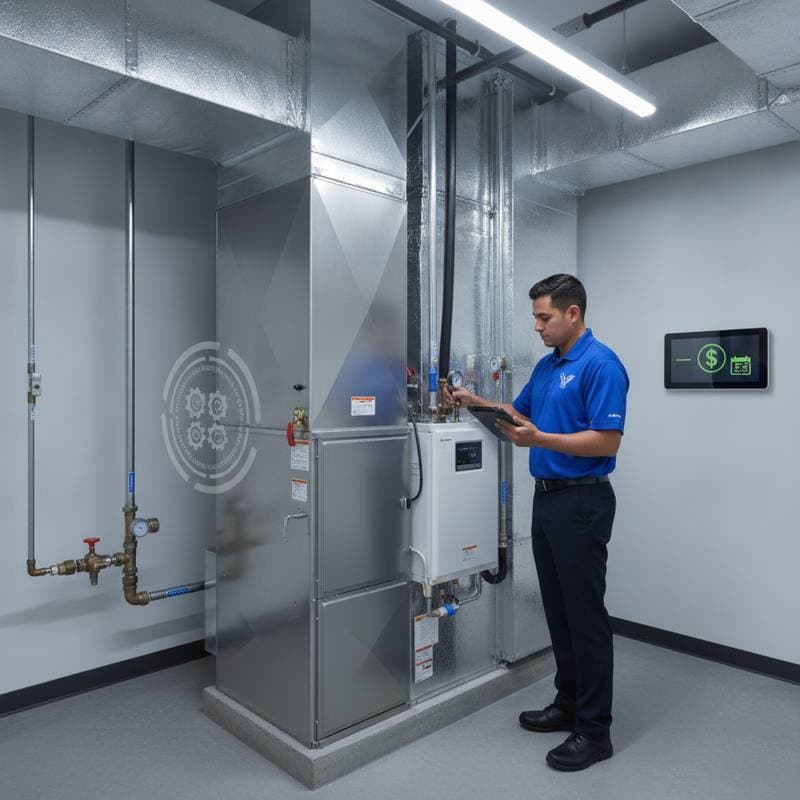
Perform biannual professional servicing to clean evaporator coils, inspect drain lines, and verify refrigerant charges. These measures promote efficient dehumidification. Clogged drains frequently cause internal mold in handlers; technicians confirm safety features like float switches to avert overflows.
Prioritize professional intervention for complex tasks. Refrain from handling refrigerants or electrical components personally. For suspected duct mold, experts employ borescopes for detection and apply approved antimicrobial treatments securely.
Everyday Practices to Bolster Humidity Balance
Support HVAC performance with routine behaviors:
- Maintain open interior doors to promote air exchange
- Operate exhaust fans in kitchens and bathrooms during and post-use
- Seal cracks in basements and address crawl space ingress points
- Install vapor barriers in crawl spaces as advised
- Limit indoor plant watering and avoid drying laundry inside
These steps complement technological solutions for enduring climate stability.
Collaborating with HVAC Specialists for Implementation
Professional expertise simplifies humidity control implementation. Combine advanced tools, regular servicing, and informed habits for optimal outcomes. Vetted local technicians, knowledgeable in regional moisture patterns from coastal mists to valley fogs, offer tailored assessments.
Contact a certified professional for a complimentary consultation and system review. Envision entering your home amid summer humidity to encounter refreshing, dry air rather than oppressive dampness. A mold-free basement awaits as the reward of diligent management.
Frequently Asked Questions
Q: What indicates excessive home humidity?
A: Look for window condensation, persistent musty smells, or clammy surfaces on walls and ceilings. Use a hygrometer for precise measurements.
Q: How frequently should HVAC and dehumidification systems receive service?
A: Arrange inspections twice yearly, prior to cooling and heating seasons, to sustain cleanliness and moisture-handling capability.
Q: Do portable dehumidifiers suffice for comprehensive mold prevention?
A: They manage isolated spaces effectively but fall short for multi-level homes. Integrated whole-home systems deliver uniform, efficient control.
Q: Does elevated humidity impact HVAC efficiency?
A: Indeed, it compels harder operation for comfort maintenance, elevating wear and operational expenses.
Q: What humidity range best inhibits mold?
A: Maintain 40 to 50 percent indoors. Levels below 50 percent hinder spore proliferation, fostering health and comfort.