Preventing Mold Through Effective HVAC Humidity Control
Humidity control stands as a primary strategy for preventing mold growth within residential spaces. Contemporary HVAC systems incorporate sophisticated dehumidification mechanisms that maintain optimal indoor moisture levels, thereby safeguarding occupant comfort and well-being. Proper management of humidity ensures that mold spores find no suitable conditions for proliferation, resulting in cleaner and safer indoor air.
The Importance of Indoor Humidity Levels
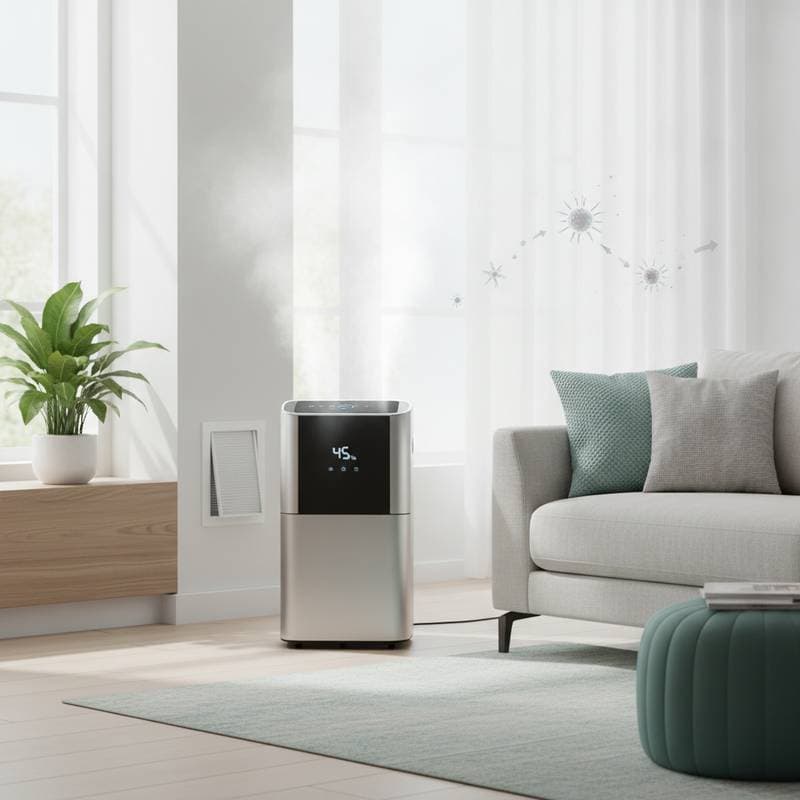
Humidity denotes the concentration of water vapor present in the atmosphere. Levels exceeding 60 percent foster an environment conducive to mold development on surfaces such as walls, ceilings, and furnishings. Beyond aesthetic concerns, mold proliferation can trigger respiratory ailments and generate lingering unpleasant odors. Maintaining humidity within the 30 to 50 percent range proves essential for fostering a healthful indoor environment.
Mechanisms of Humidity Regulation in HVAC Systems
HVAC systems extend beyond mere temperature modulation to encompass moisture extraction and balance throughout the year. Equipped with appropriate features, these systems effectively mitigate excess humidity, preventing associated issues.
Key Features for Humidity Management
- Whole-home dehumidifiers integrate with central HVAC units to draw moisture from the air prior to its distribution via ductwork.
- Variable-speed air handlers reduce airflow velocity, providing extended contact time for dehumidification processes.
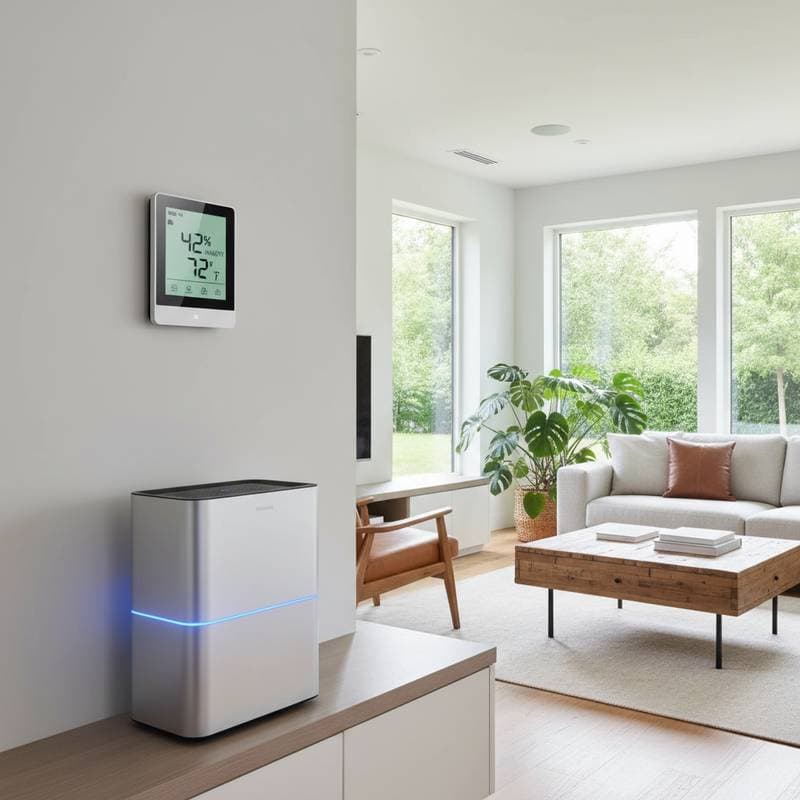
- Advanced thermostats simultaneously track temperature and humidity metrics, modulating system performance as needed.
Such enhancements transform the HVAC system into a robust barrier against mold formation.
Investment in Humidity Control Enhancements
Incorporating humidity control into an existing HVAC setup typically ranges from $1,200 to $2,800, influenced by residence dimensions and configuration. Installed whole-house dehumidifiers generally fall between $1,500 and $3,000, whereas individual smart humidity sensors range from $150 to $400.
| Upgrade Type | Average Cost |
|---|---|
| Whole-home dehumidifier | $1,500 to $3,000 |
| Smart thermostat with humidity control | $200 to $500 |
| Variable-speed air handler | $1,200 to $2,800 |
| Humidity sensors | $150 to $400 |
| Metric | Amount |
|---|---|
| National average cost | $2,100 |
| Minimum cost | $1,000 |
| Maximum cost | $3,500 |
| Typical range | $1,500 to $3,000 |
Cost figures derive from industry research and reported project expenses.
Variables Impacting Humidity Control Expenses
Multiple factors determine the overall expenditure for humidity control installations or modifications.
- System scale requires more robust dehumidifiers for expansive residences, elevating costs.
- Current HVAC infrastructure may necessitate additional labor for seamless integration with legacy equipment.
- Regional climate demands higher-capacity units in humid locales.
- Efficiency standards involve premium pricing for advanced models, offset by long-term energy savings.
- Installation challenges such as confined access in crawl spaces or attics extend labor durations.
Advantages of Optimal Humidity Oversight
Effective humidity regulation transcends mold prevention to yield broader benefits.
- Prolongs the operational life of HVAC components.
- Averts structural damage like wood floor distortion and surface paint degradation.
- Elevates overall indoor air purity.
- Suppresses populations of dust mites and allergens.
- Optimizes thermal comfort across seasonal variations.
A well-regulated indoor climate perceptibly cools during summer months and warms in winter, reducing reliance on frequent heating or cooling activations.
Strategies for Sustained Humidity Control and Mold Mitigation
Consistent upkeep guarantees the ongoing efficacy of humidity management within the HVAC framework.
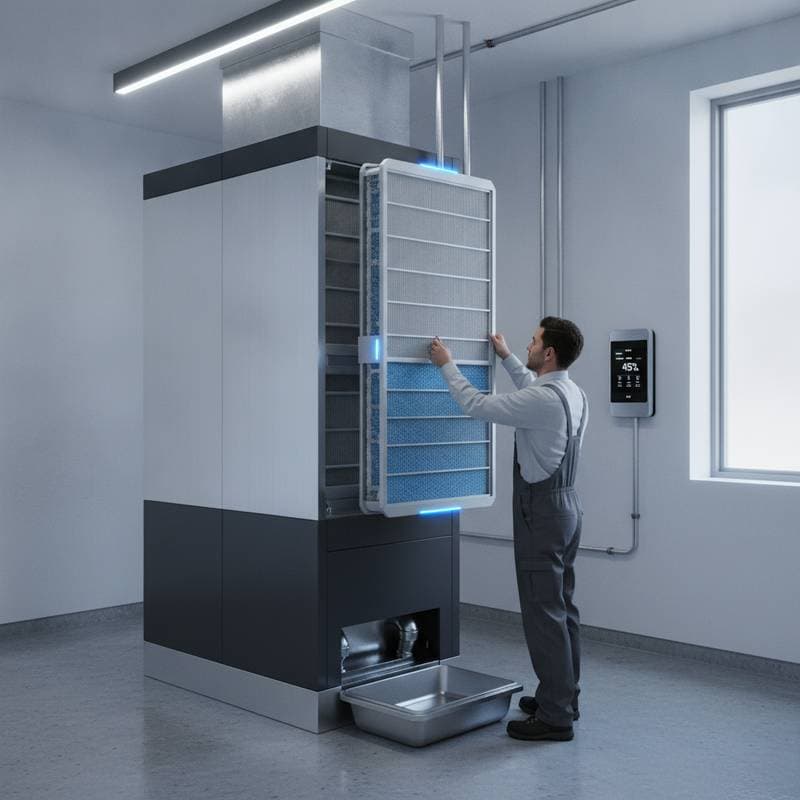
- Exchange HVAC filters at intervals of one to three months.
- Routinely cleanse and examine condensate drainage lines.
- Ensure vents remain unobstructed to facilitate unrestricted airflow.
- Arrange biannual professional inspections for thorough coil sanitation and system adjustments.
- Employ a hygrometer for precise monitoring of ambient humidity.
Indicators for System Upgrades
Persistent musty scents, window condensation, or chronic damp spots signal inadequate humidity oversight by the current setup. Transitioning to variable-speed configurations or installing specialized dehumidifiers promptly reestablishes equilibrium. Professional assessment confirms the most suitable interventions for your specific circumstances.
Implementing Humidity Solutions
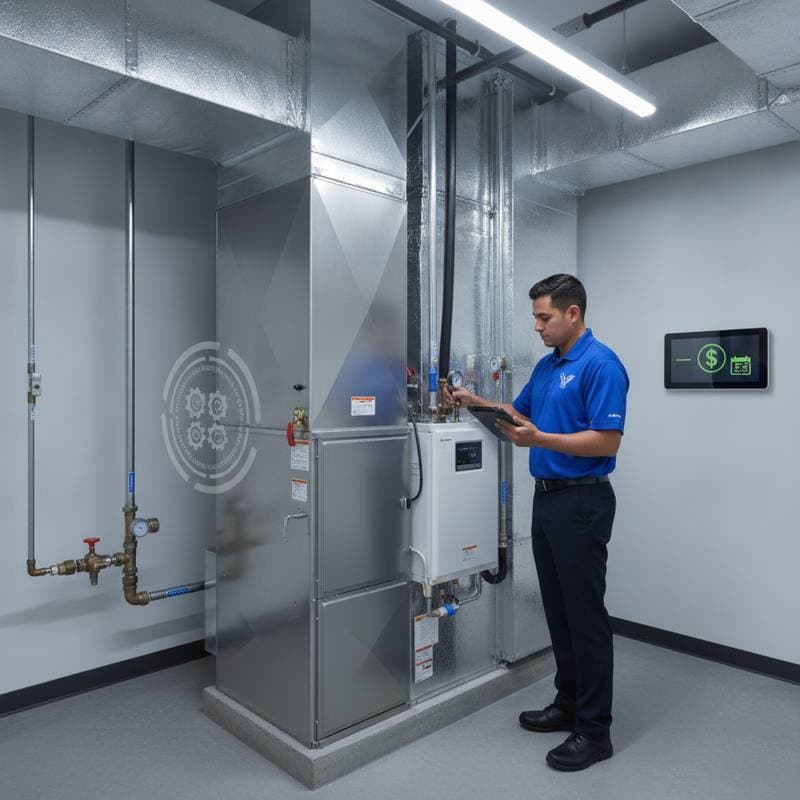
Engage a qualified HVAC specialist to assess your residence's humidity profile and recommend tailored dehumidification options compatible with your infrastructure. Solicit a minimum of three detailed proposals, scrutinize efficiency specifications, and verify comprehensive warranties covering both apparatus and installation services. Establishing robust humidity controls equips your HVAC system to deliver holistic comfort, health protection, and mold deterrence from the outset.