Humidity Control: HVAC's Air Quality Revolution
As an HVAC professional, I have observed numerous homeowners grappling with sticky indoor air that resists achieving true comfort. You adjust the thermostat with precision, yet the atmosphere remains heavy, clammy, and uninviting. This issue ranks among the most frequent concerns I encounter, particularly in areas with humid summers or dry, static-prone winters. The good news lies in the evolution of humidity control, which now serves as the forefront of indoor comfort, with contemporary HVAC systems driving this change.
Humidity management extends beyond mere comfort. It impacts health, structural integrity, and energy consumption. Imbalanced levels can lead to mold proliferation, distorted wood surfaces, or respiratory challenges. Modern HVAC systems address these concerns through sophisticated technology that regulates moisture with the precision of a balanced ecosystem.
Why Humidity Control Matters More Than You Think
Through extensive field experience, I recognize that many homeowners undervalue humidity's role in air quality. An HVAC system performs more than heating or cooling; it also regulates moisture by extracting or introducing water vapor as required. Disruptions in this equilibrium compromise both comfort and operational efficiency.
- High humidity intensifies the sensation of warmth, compelling the air conditioner to operate longer and consume additional energy.
- Low humidity amplifies the perception of cold, extending furnace runtime while desiccating skin, mucous membranes, and household items.
The optimal indoor humidity range falls between 40 and 60 percent. Sustaining this level safeguards wooden elements, shields electronics, and inhibits allergen growth. In diverse climates, conventional HVAC configurations often fail to uphold this consistency, prompting the adoption of advanced humidity regulation technologies.
The New Age of Smart Moisture Management
The HVAC sector experiences a renaissance in moisture oversight. Current systems incorporate sensors that assess not only temperature but also humidity, enabling real-time adjustments. Envision a thermostat functioning as an indoor meteorological device, continuously evaluating conditions and responding accordingly.
Certain setups incorporate whole-home dehumidifiers or humidifiers seamlessly into duct systems. Alternative designs employ variable-speed compressors that modulate airflow for targeted moisture extraction. These innovations permit cooler sensations at elevated thermostat settings, potentially reducing cooling expenses by up to 20 percent.
HVAC specialist Marisa Kent observes, “Humidity control is no longer optional. It is the foundation of true indoor comfort.” This perspective aligns with industry trends, where humidity-integrated HVAC solutions redefine residential living standards.
Expert Strategies for Balanced Indoor Air
1. Upgrade Your Thermostat to a Smart Humidity Controller
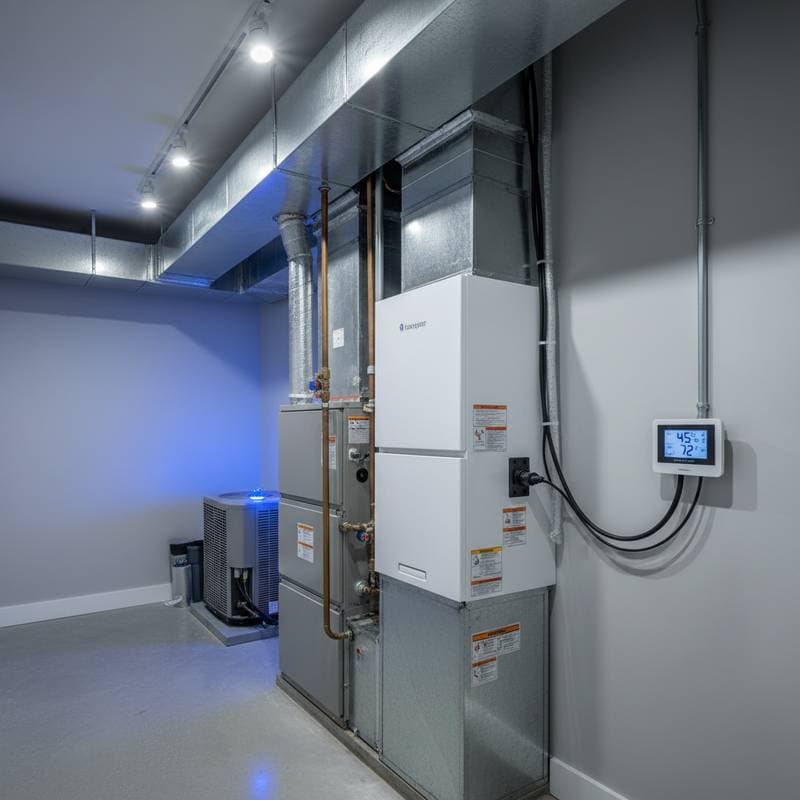
Standard thermostats focus solely on temperature, whereas intelligent variants also track humidity. Integration with the HVAC framework activates dehumidification or humidification processes on demand. This automation removes uncertainty and averts excessive cooling or drying.
2. Integrate Whole-Home Humidifiers or Dehumidifiers
Homes plagued by persistent moisture challenges benefit from dedicated installations as a durable solution.
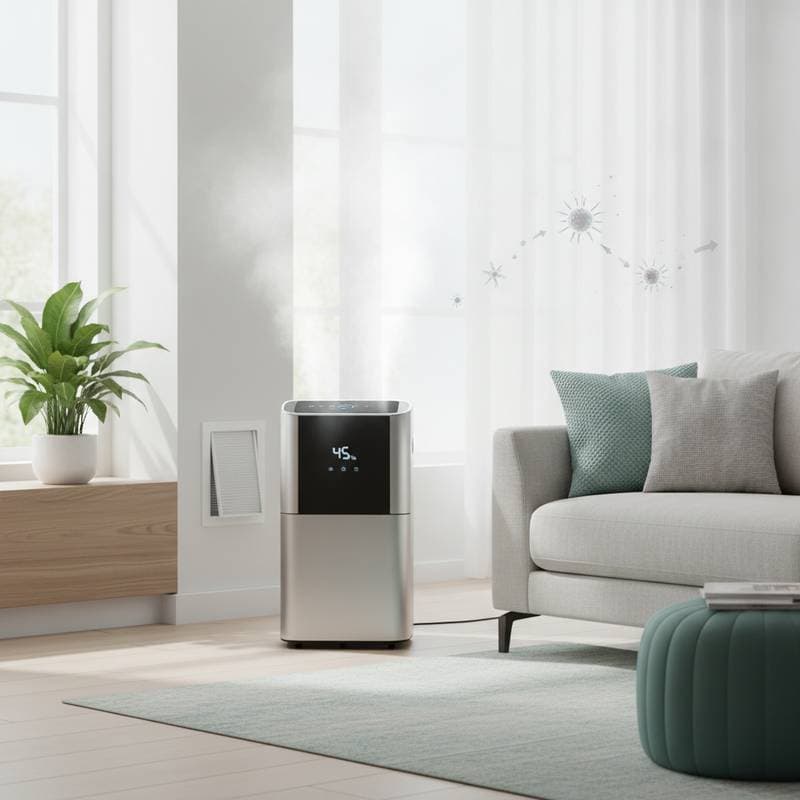
- Dehumidifiers extract surplus moisture and redirect it via drainage, suiting basements or humid regions.
- Humidifiers introduce necessary moisture in arid winter periods, safeguarding flooring and alleviating skin dryness.
Professional installation costs typically range from $1,200 to $2,500, influenced by residence size and duct layout.
3. Maintain Proper Ventilation
Effective circulation proves vital for humidity regulation. Stagnant air fosters moisture accumulation in isolated areas.
- Operate exhaust fans during bathing and meal preparation.
- Ensure air return vents remain unobstructed by furnishings or fabrics.
- Arrange duct cleaning every three to five years to eliminate airflow impediments.
4. Seal and Insulate for Consistency
Advanced humidity mechanisms falter without airtight construction. Fissures, voids, or inadequate attic insulation permit external humidity infiltration or conditioned air escape. Addressing these vulnerabilities stabilizes moisture while enhancing overall efficiency.
Warning Signs of Poor Humidity Balance
Homeowners frequently miss the indicators of humidity imbalance. Consider these prevalent signals:
- Frequent window fogging or sill condensation.
- Persistent clamminess indoors despite air conditioning operation.
- Warping or cracking in wooden floors, cabinetry, or moldings.
- Heightened static electricity in cooler seasons.
- Intensified indoor allergies or breathing difficulties.
Recognition of these symptoms suggests suboptimal HVAC humidity performance. Engage a professional evaluation to identify and resolve underlying problems prior to escalation.
The Practical Side of Humidity Control
From a technical standpoint, enhancements in humidity regulation yield substantial returns through enhanced comfort and fiscal benefits.
- Energy Efficiency: Moisture equilibrium shortens operational cycles, frequently curtailing energy demands by 10 to 15 percent.
- Health Benefits: Controlled levels suppress dust mites, mold, and microbial growth, fostering respiratory wellness.
- Home Preservation: Equilibrium safeguards finishes, fixtures, and building components from degradation.
- Maintenance Costs: Efficient systems endure reduced stress, prolonging equipment longevity.
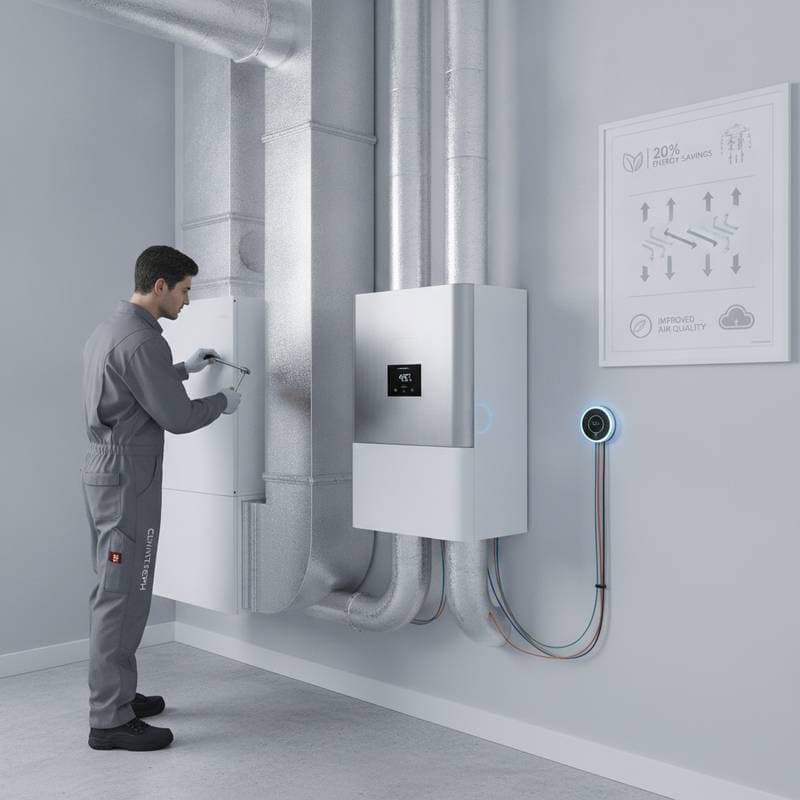
Professional intervention remains essential for tasks involving refrigerants, electrical components, or duct alterations. Certified technicians versed in humidity systems and regulatory standards ensure safe, compliant execution.
HVAC engineer Robert Lane states, “The key to success lies in treating air like a living element. You do not just heat or cool it. You nurture it.” This approach embodies the principles of contemporary HVAC engineering.
Implementing Effective Humidity Solutions
To establish reliably comfortable indoor conditions, initiate a humidity evaluation through a reputable contractor. Inquire about configurations suited to your regional climate and financial parameters. Options such as intelligent thermostats, supplementary dehumidifiers, or variable-speed units each contribute to sustained equilibrium.
Balanced humidity elevates the residential environment, instilling tranquility, vitality, and reliability in every breath.
FAQ
Q: How do I know if my HVAC system already controls humidity?
A: Numerous contemporary systems feature humidity sensors, though activation varies. Examine your thermostat interface or consult a technician for verification.
Q: Is it better to use a portable dehumidifier or a whole-home system?
A: Portable models address isolated spaces like basements effectively, yet whole-home installations deliver uniform coverage with minimal upkeep.
Q: How often should humidity levels be checked?
A: Employ a hygrometer or smart thermostat for weekly assessments, particularly amid seasonal shifts. Target readings within 40 to 60 percent.
Q: Can humidity control lower energy bills?
A: Affirmative. Equilibrium enhances comfort at neutral temperatures, enabling thermostat adjustments that conserve 10 to 20 percent on utilities.
Q: What maintenance does a dehumidifier need?
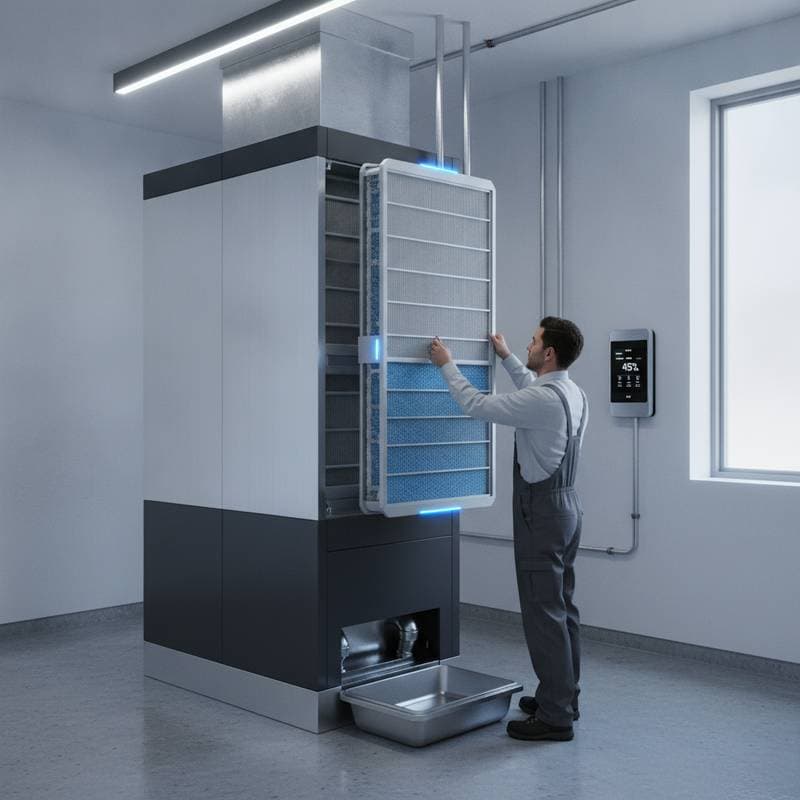
A: Service filters every few months, inspect drainage lines for blockages, and conduct yearly professional reviews to sustain performance.