Humidity Control: 2026's Essential HVAC Upgrade for Air Quality and Efficiency
Installing a whole-home dehumidifier typically costs between $1,200 and $3,000. Upgrading to a full humidity control system ranges from $800 to $2,500. Portable room dehumidifiers cost $150 to $600.
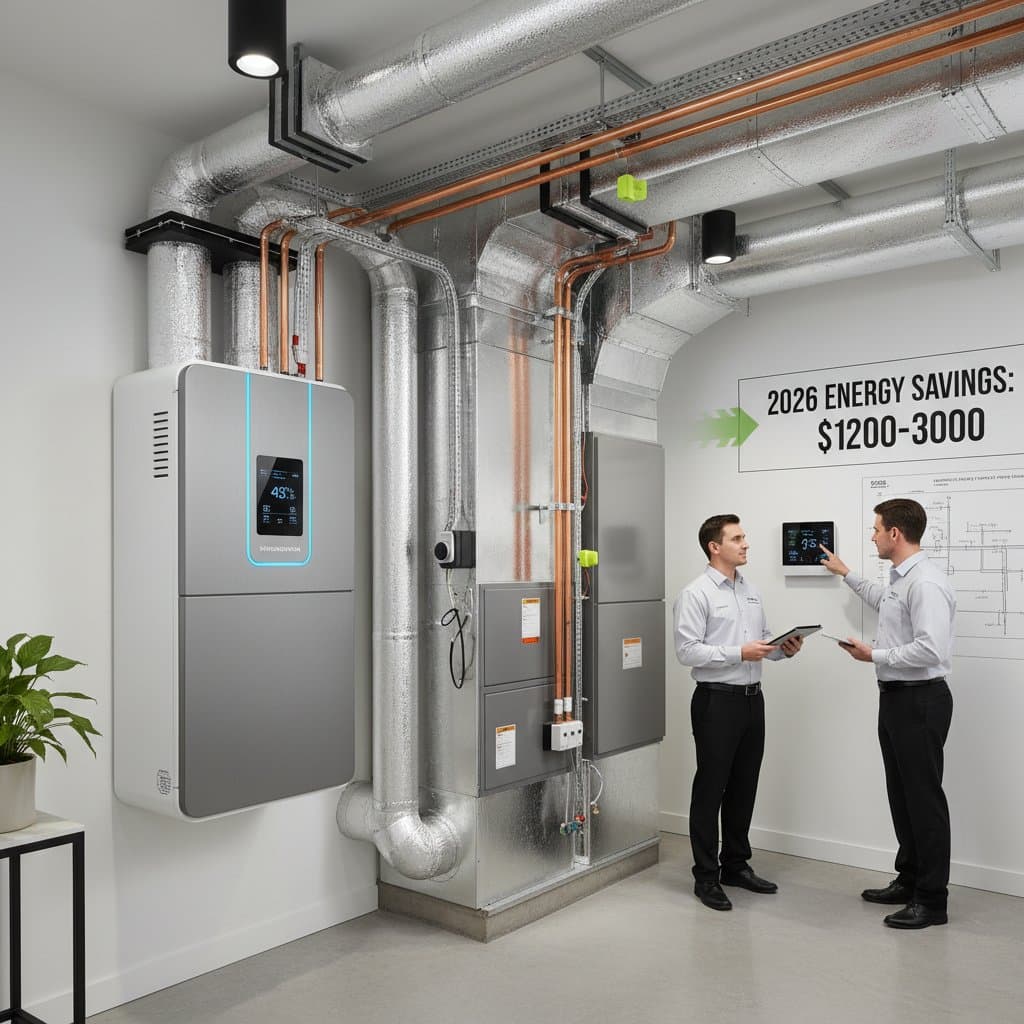
Proper indoor humidity levels enhance air quality, increase comfort, and optimize HVAC system performance. The national average for installing a whole-home humidity control system falls between $1,200 and $3,000. This range depends on the current HVAC configuration, home size, and selected equipment brand. Costs also vary based on system type, local labor rates, and inclusion of both humidification and dehumidification capabilities.
Obtain free estimates from nearby HVAC experts to evaluate installation costs specific to your location.
National Average Costs for Humidity Control Systems
| Metric | Amount |
|---|---|
| National average cost | $2,100 |
| Minimum cost | $150 |
| Maximum cost | $5,000 |
| Average cost range | $1,200 to $3,000 |
These figures derive from industry research and reported project expenses.
Breakdown of Humidity Control System Costs
Whole-Home Dehumidifiers
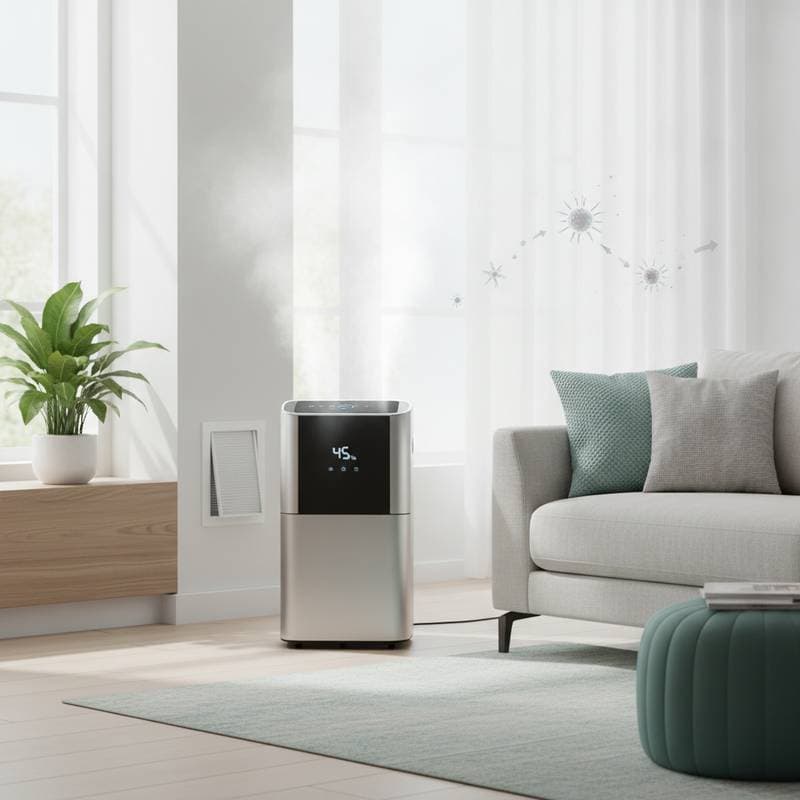
Whole-home dehumidifiers average $1,200 to $3,000, including professional installation. These units extract excess moisture from the air, which helps prevent mold development and elevates comfort levels in regions with high humidity. Advanced models equipped with smart sensors and Wi-Fi integration often surpass $3,500 in price.
For instance, in humid areas like the southeastern United States, these systems maintain relative humidity below 60 percent, reducing the workload on air conditioners and lowering energy use by up to 20 percent over time.
Whole-Home Humidifiers
Installed whole-home humidifiers cost $800 to $2,200. Such systems suit dry environments or residences that face low humidity during winter heating periods. Steam humidifiers deliver the highest effectiveness, though they position at the upper end of the pricing spectrum.
Evaporative models, which use a fan to blow air over a wet pad, provide a more affordable alternative while still achieving 30 to 50 percent humidity levels for improved respiratory health and reduced static electricity.
Portable Units
Portable dehumidifiers and humidifiers range from $150 to $600, based on their moisture-handling capacity. These devices work well for individual rooms or compact living spaces, such as apartments. However, users must empty reservoirs manually, and they offer less uniform coverage compared to centralized options.
Select a unit with at least 30 pints per day capacity for medium-sized rooms to ensure effective operation without frequent intervention.
Smart Humidity Management Systems
Smart systems connect seamlessly with thermostats, enabling app-based remote control. Installation expenses for these range from $1,500 to $3,500. They feature real-time monitoring and automatic adjustments, which enhance overall efficiency and minimize energy loss.
Integration with platforms like Nest or Ecobee allows users to set personalized humidity targets, such as 40 to 50 percent, and receive alerts for deviations that could signal maintenance needs.
Factors Influencing Humidity Control System Costs
Several elements determine the final expense of a humidity control installation.
System type: Centralized whole-home units exceed the price of portable ones, yet they deliver superior coverage and automated functionality.
Home size: Bigger properties demand larger-capacity equipment, which raises both material and labor expenses.
Climate conditions: Residences in excessively humid or arid zones require robust systems to achieve equilibrium.
Efficiency rating: High-efficiency options involve greater initial investment but yield savings on utility statements over years.
Brand and warranty: Renowned brands offering prolonged warranties or intelligent features command premium pricing.
Installation complexity: Adapting older HVAC frameworks might necessitate additional parts or duct alterations.
Control features: Additions like smart thermostats and automated sensors improve usability at an extra cost.
Maintenance requirements: Designs with washable filters or accessible components cost more initially but decrease future service fees.
Essential Maintenance for Humidity Control Systems
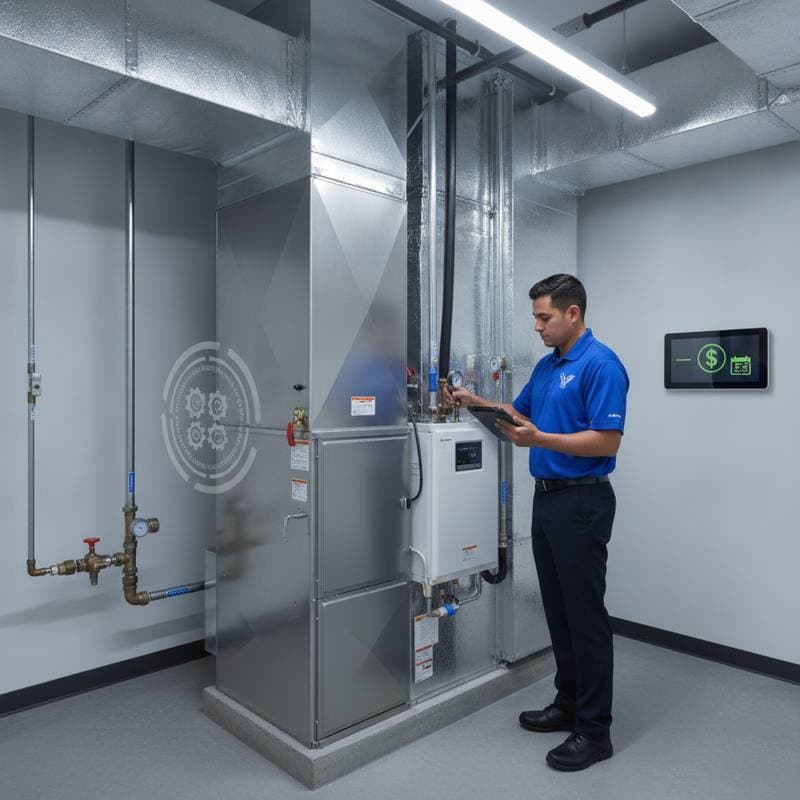
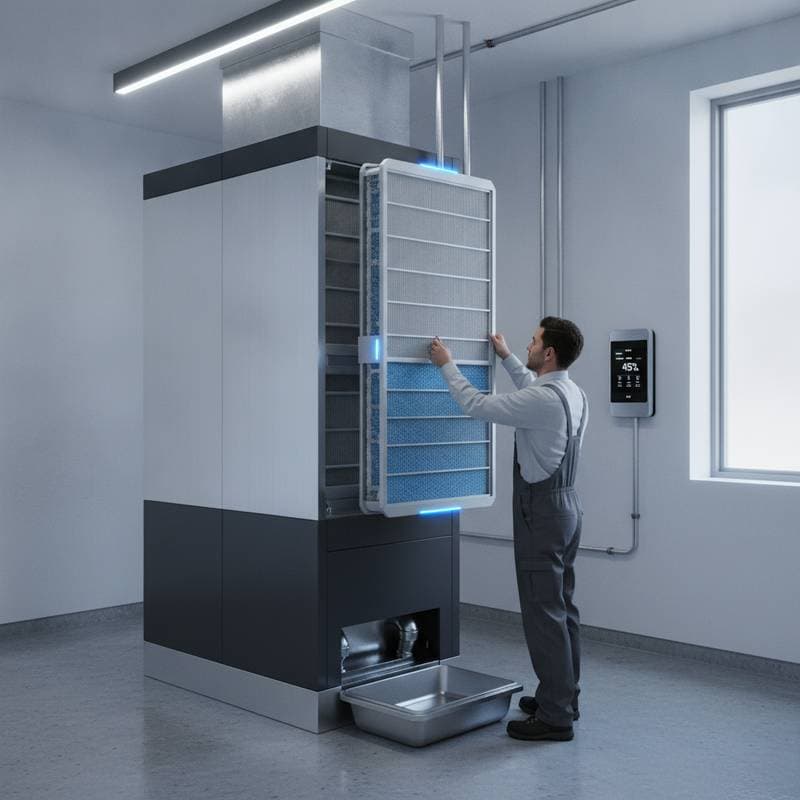
Regular upkeep preserves system efficiency and prolongs operational life. Manufacturers advise yearly professional inspections.
Homeowners can follow these maintenance practices:
- Clean or replace filters every one to three months to sustain airflow.
- Examine water lines and drainage paths for blockages or drips.
- Review humidifier pads or evaporator surfaces periodically for buildup.
- Wipe down external vents and verify unobstructed air circulation.
- Arrange annual professional adjustments to fine-tune sensors and assess functionality.
Failure to maintain these systems results in erratic humidity control and higher energy demands. Consistent attention guarantees steady comfort and safeguards structural elements and belongings from moisture damage.
Strategies to Reduce Humidity Control Expenses
Homeowners can lower both upfront and ongoing costs through targeted approaches while upholding system quality.
- Solicit bids from multiple contractors to assess labor and equipment rates.
- Time installations for slower seasons, when providers often extend promotional rates.
- Opt for models certified for energy efficiency to diminish future power expenses.
- Pursue available rebates or tax credits for qualifying energy-saving installations.
- Combine humidity upgrades with services like duct sanitation or thermostat replacements.
- Perform routine maintenance to prevent expensive fixes down the line.
- Implement smart controls for precise monitoring and adjustments that curb unnecessary energy use.
These steps can offset 10 to 20 percent of total project costs, depending on local incentives and negotiation outcomes.
Selecting and Hiring HVAC Professionals
Engaging certified experts ensures proper setup and optimal system operation. Follow this process to choose reliably:
- Confirm the firm's licensing and insurance status.
- Seek NATE or EPA credentials among the technicians.
- Inquire about their experience with humidity control installations.
- Demand a detailed written proposal covering equipment, labor, and supplies.
- Examine online reviews and clarify warranty terms.
- Gather at least three estimates for competitive pricing.
- Determine if maintenance contracts or service packages are available.
- Establish the project schedule, including testing phases.
A well-vetted professional minimizes risks and maximizes return on investment through durable, efficient results.
Sustaining Balanced Indoor Environments for Lasting Comfort
Effective humidity control transforms HVAC performance, yielding savings of $1,200 to $3,000 annually through reduced energy consumption and fewer repairs. By addressing moisture levels proactively, homeowners foster healthier living spaces that resist allergens, mold, and discomfort. Invest in these upgrades now to enjoy reliable, cost-effective climate management well into the future.