Heat Pump Water Heaters Deliver Efficiency Gains
If your water heater runs constantly, you may feel the strain in your utility bills, especially when the household uses hot water for showers, laundry, and dishes throughout the day. From years in the field, homeowners have discovered that a heat pump water heater can cut energy use while still delivering the dependable hot water their family expects.
This hybrid technology is drawing attention for its efficiency gains, but it is not the right fit for every home. The good news is that a few practical checks can help you decide whether an upgrade makes sense and how to get the best performance from it.
How a Hybrid Water Heater Saves Energy
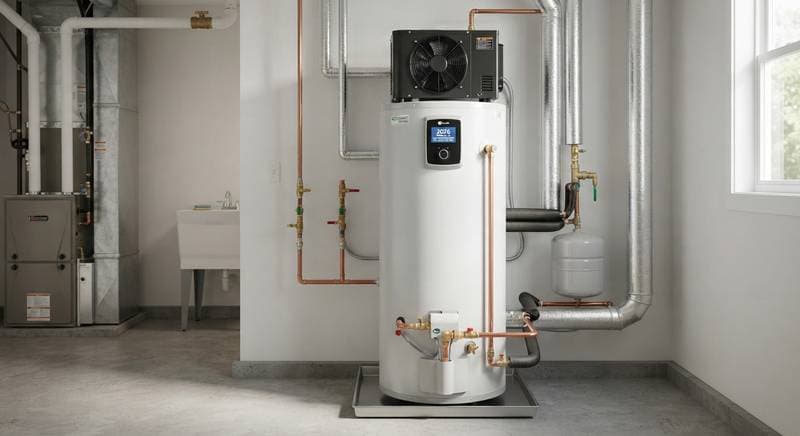
A standard electric water heater uses resistance elements to heat water directly. A heat pump water heater moves heat from the surrounding air into the tank, much like a refrigerator working in reverse. It uses electricity to transfer heat rather than generate all of it, which can make it substantially more efficient.
The U.S. Department of Energy states that heat pump water heaters can be two to three times more energy efficient than conventional electric resistance models. Actual savings depend on your hot water use, electricity rates, climate, and equipment settings. ENERGY STAR certified models may also qualify for utility incentives, so check local programs before purchasing.
Many units include a hybrid setting. The heat pump handles normal demand, while electric elements help when the household needs hot water quickly. That flexibility is useful for busy families, though frequent reliance on resistance heating can reduce savings.
Check Your Home Before You Buy
These systems draw warmth from the air around them, so installation conditions matter. A cool, cramped closet may limit performance, while a basement or utility room with enough air volume can be a better location. The unit also releases cooler air as it operates, which may be welcome in a warm space but uncomfortable in a chilly room.
Before choosing a model, ask an HVAC or plumbing professional to assess:
- Available space: Many models need substantial clearance and room air to operate correctly. Follow the manufacturer specifications.
- Drainage: The system produces condensate that must drain safely, often through a floor drain or condensate pump.
- Electrical capacity: A professional should confirm that wiring, breakers, and circuit capacity meet the unit requirements.
- Household demand: Tank size should match the number of occupants and your peak hot water use.
As an HVAC expert, comparing the estimated annual energy use on product labels is recommended, not just the purchase price. A higher-efficiency unit may cost more upfront, but incentives and lower operating costs can improve its value over time.
Plan for Cost, Comfort, and Safe Installation
Installed costs commonly fall around $2,500 to $5,500, though local labor, electrical work, drainage, and modifications can move the price outside that range. Ask for an itemized estimate that identifies equipment, permits, installation, and any required upgrades. The key to success lies in sizing the tank and planning the location before work begins.
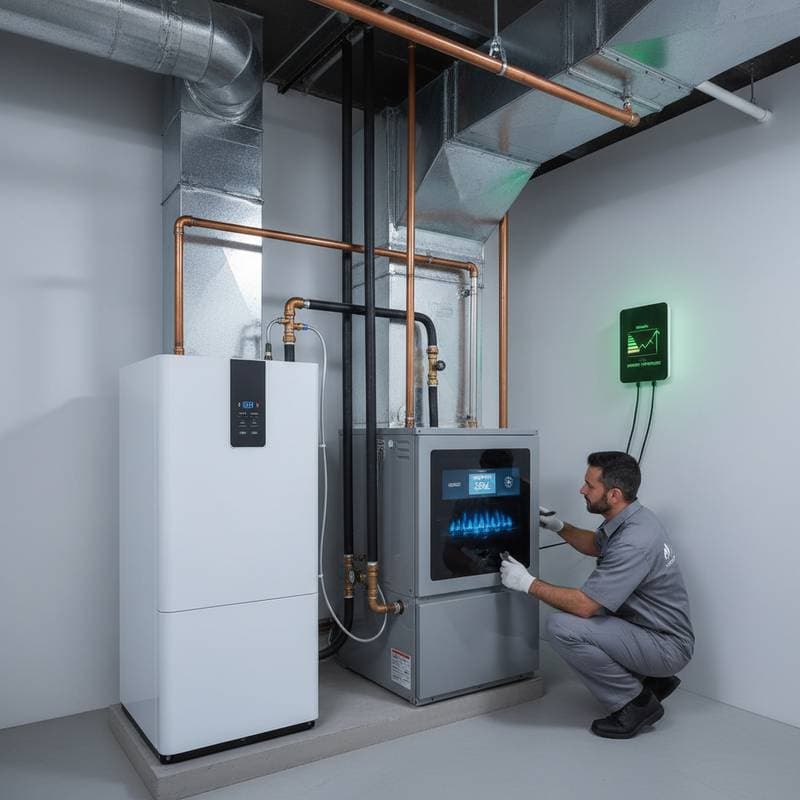
A qualified installer should check local permit requirements, plumbing connections, condensate disposal, and electrical code. Do not attempt refrigerant repairs or electrical modifications yourself. These tasks require specialized training, and improper work can create shock, water damage, or equipment hazards.
For steady savings after installation:
- Use the heat pump or energy-saving setting for routine operation.
- Set the water temperature to a safe, comfortable level recommended by the manufacturer.
- Keep air filters and clearances clean according to the manual.
- Ask your installer about vacation settings and periodic tank maintenance.
Evaluate Your Current System Before Replacing
It is essential to consider your room temperature, household demand, and local electricity costs for optimal results. A heat pump water heater can deliver a noticeable efficiency improvement, yet a poor location or incorrect setup can undermine its benefits. If you are replacing a functioning unit, compare its remaining life and repair costs with the upgrade price rather than rushing into a purchase.
Connect with Local Professionals
American Air HVAC can connect you with vetted local professionals and helpful resources, so you can compare options with confidence. Reach out through the platform for a no-obligation quote and ask the contractor to explain projected energy use, incentives, and installation needs in plain language.
Frequently Asked Questions
How much can I expect to save on energy bills?
Savings vary based on your current water heater type, local electricity rates, and household hot water usage. Most homeowners see reductions of 50 to 65 percent compared to standard electric models, though actual results depend on proper installation and consistent use of the heat pump mode.
What size heat pump water heater do I need?
Tank capacity should match your household size and peak demand. A family of four typically needs a 50 to 80 gallon unit. Your installer will calculate daily hot water needs based on the number of bathrooms, appliances, and usage patterns to recommend the right size.
Can I install a heat pump water heater in any climate?
These units work in most climates, but performance decreases in very cold spaces. Units perform best when installed in areas that maintain temperatures above 40 degrees Fahrenheit year-round. In colder regions, consider a hybrid model with backup resistance elements or locate the unit in a heated basement or utility room.
How long does installation take?
Professional installation typically requires one to two days, depending on electrical upgrades, plumbing modifications, and condensate drainage requirements. Your contractor will assess existing connections and determine whether additional work is needed before beginning the project.
What maintenance is required?
Regular maintenance includes cleaning or replacing air filters every six months, checking condensate drain lines annually, and flushing the tank to remove sediment buildup. Most manufacturers recommend annual professional inspections to maintain warranty coverage and optimal performance.