2025 Dual-Fuel HVAC: The Hybrid Approach to Superior Heating
As an HVAC professional, I have observed numerous homeowners facing recurring seasonal dilemmas. One period brings elevated electric bills as heat pumps falter in subfreezing conditions. The following phase sees gas furnaces consuming excess fuel on temperate days. For those seeking a more intelligent method to harmonize comfort, reliability, and expenses, dual-fuel HVAC systems offer a transformative solution that enhances energy efficiency across seasons.
Addressing Inefficiency in Variable Climates
In areas with variable weather patterns, dependence on a single heat pump or furnace often results in suboptimal performance. Heat pumps diminish in effectiveness when temperatures fall below specific thresholds, requiring increased electricity to sustain heat. Conversely, furnaces operate inefficiently during moderate conditions, leading to unnecessary fuel expenditure and higher utility payments. National energy statistics indicate that heating represents approximately half of typical household energy use, highlighting the potential for significant annual savings through improved system adaptability.
Understanding Dual-Fuel System Operations
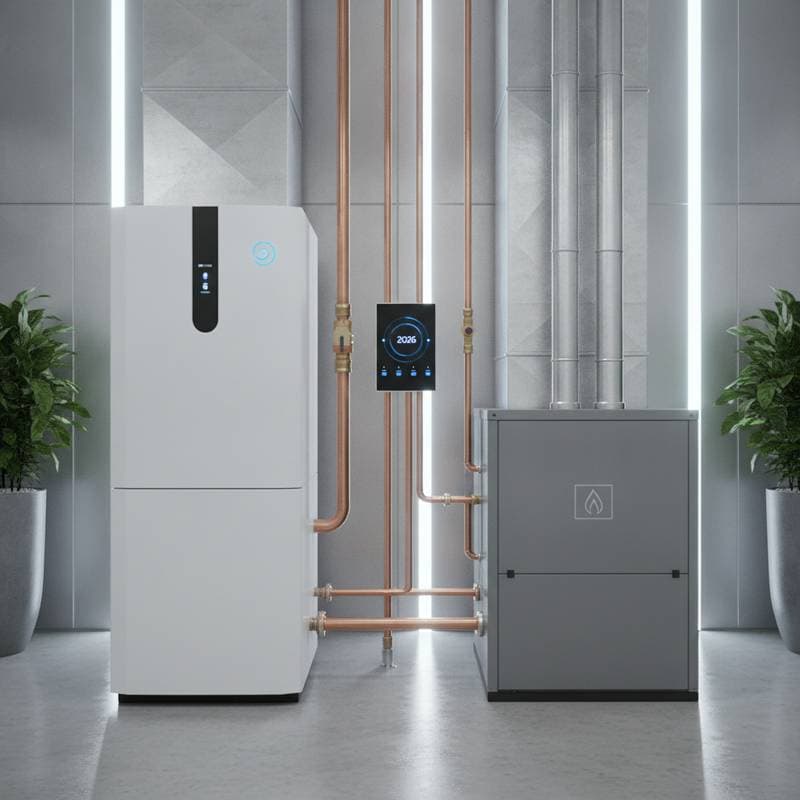
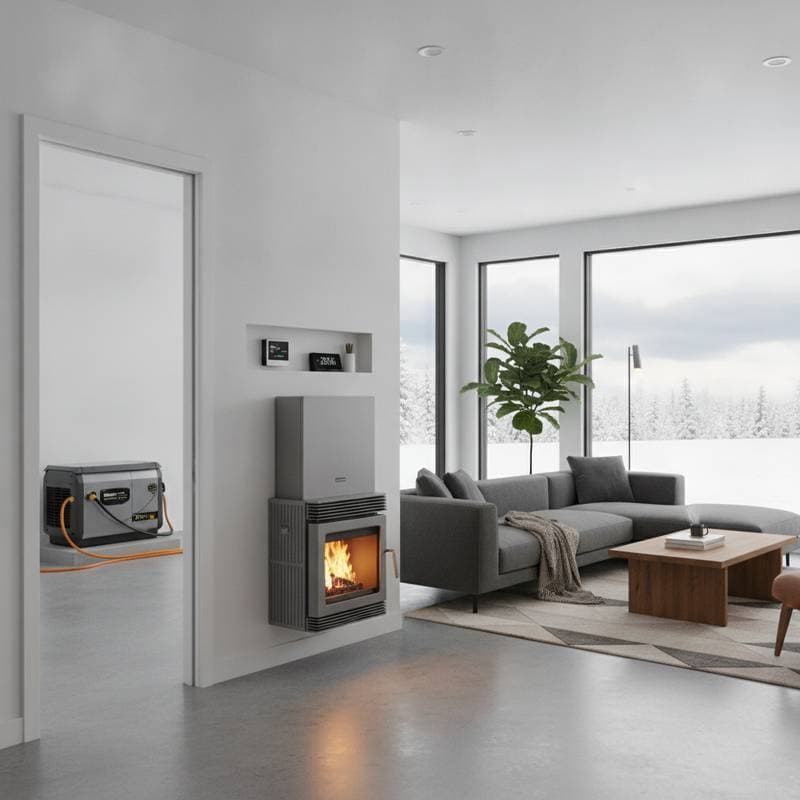
A dual-fuel HVAC setup combines an electric heat pump with a gas or propane furnace, managed by a unified smart thermostat. This controller assesses outdoor temperatures and system demands to select the appropriate energy source. During milder weather, the heat pump provides efficient heating. In colder conditions, the furnace activates to supply robust, steady warmth.
This automatic handover delivers the advantages of both technologies: the heat pump's energy savings paired with the furnace's dependable output. Homeowners benefit from optimized performance in terms of cost and comfort, all without requiring manual adjustments.
Primary Advantages of Dual-Fuel HVAC
- Consistent Efficiency Across Seasons: The system alternates between electricity and fuel based on environmental factors, reducing energy waste and utility expenses.
- Improved Indoor Comfort: Transitions between components occur smoothly, preserving uniform temperatures and avoiding abrupt temperature fluctuations.
- Extended Component Durability: Each element functions primarily in its optimal range, minimizing stress and prolonging overall system longevity.
- Reduced Environmental Impact: Prioritizing electricity in suitable conditions lowers fuel usage, thereby decreasing emissions and supporting sustainable practices.
In my professional experience, many clients achieve reductions in yearly heating costs of up to 30 percent following the adoption of dual-fuel systems. Such economies frequently recover the upfront expenditure within several heating cycles.
Guidance for Selecting and Installing Dual-Fuel Systems
Assess Local Climate Conditions
Dual-fuel systems excel in regions with a mix of moderate and severe cold periods. For locations prone to prolonged freezes, verify that the furnace delivers sufficient heating capacity for extended demands.
Ensure Proper Sizing and Component Compatibility
Balance the heat pump and furnace capacities to achieve peak performance. Inadequate sizing causes operational strain, while excess capacity leads to inefficient cycling. Engage a certified HVAC technician to conduct precise load calculations tailored to your home.
Select an Advanced Thermostat
Opt for a programmable thermostat that refines the switching logic based on real-time data. Certain models analyze usage patterns over time, fine-tuning operations to balance comfort and energy conservation effectively.
Establish a Maintenance Routine
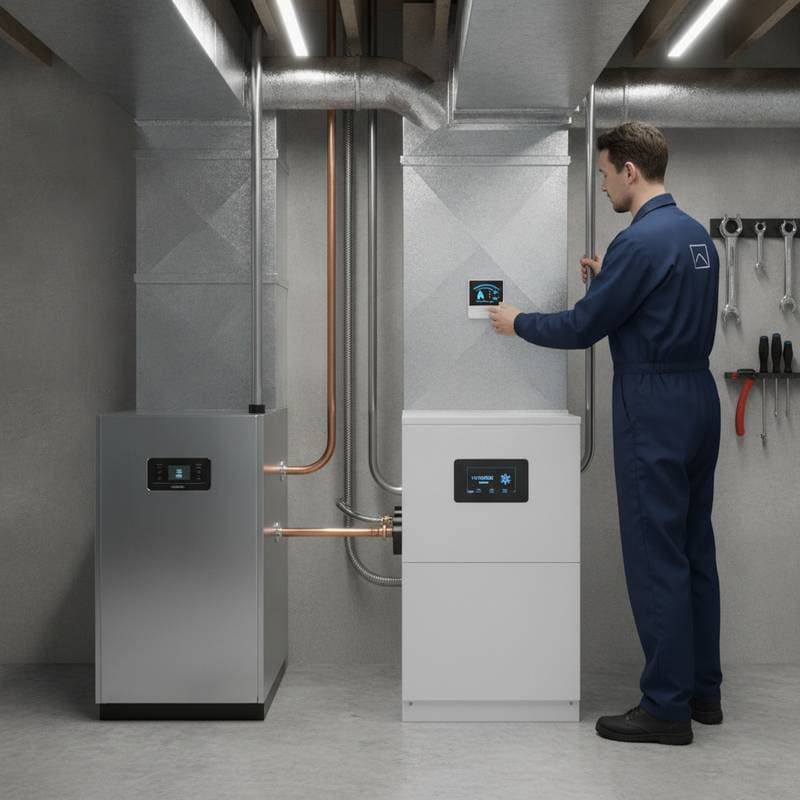
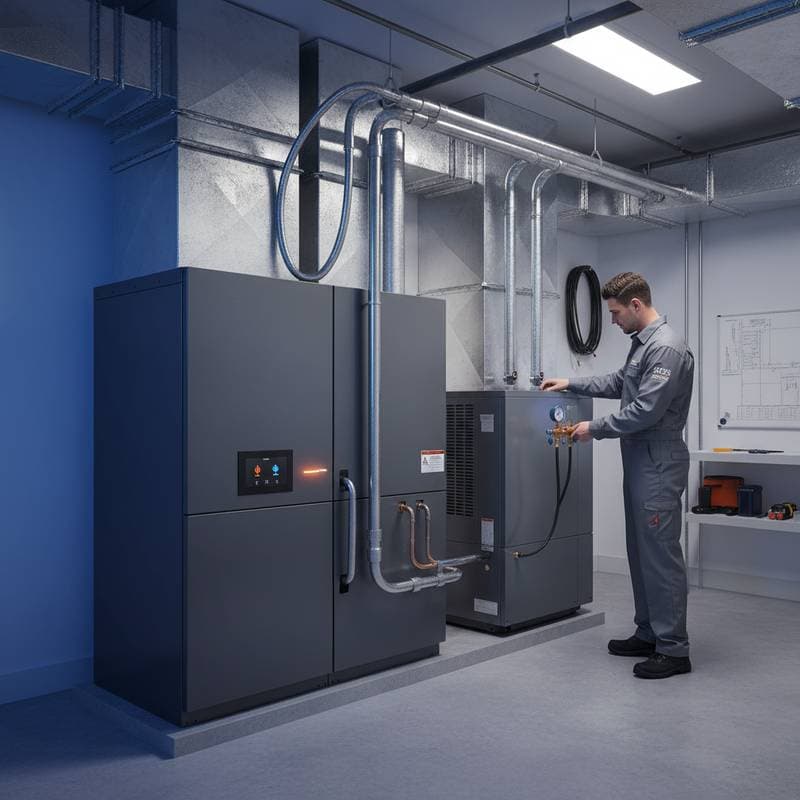
Both components require periodic attention. Arrange professional servicing biannually to inspect coils, verify refrigerant charges, and evaluate furnace ignition. Such proactive measures prevent the majority of potential malfunctions.
Essential Factors to Consider Prior to Installation
Upfront Investment: A full dual-fuel installation typically ranges from $7,000 to $12,000, influenced by system scale, manufacturer, and existing infrastructure. Although the initial outlay exceeds that of standalone units, the enhanced efficiency supports cost recovery in five to seven years.
Projected Energy Reductions: Adaptability drives the value. In favorable weather, heat pumps can produce three units of heat per unit of electricity consumed, surpassing furnace efficiency. During intense cold, the furnace maintains comfort without excessive electrical draw.
Safety Protocols and Regulatory Adherence: Certified installers must handle integration, adhering to electrical and gas standards. Avoid personal modifications to wiring or fuel connections. Obtain necessary permits and inspections to ensure safety, compliance, and warranty validity.
Integration with Existing Setup: Compatible ductwork simplifies the process. Aging ducts may require sealing or modification to enhance air distribution and system performance.
Sustaining Long-Term Performance
Success depends on selecting a system aligned with your home's specific needs and environmental profile. Dual-fuel technology represents a forward-thinking choice for efficient heating. Envision the efficient circulation from the heat pump during transitional seasons, complemented by the furnace's steadfast output on the harshest nights. This integration establishes a benchmark for residential climate control.
HVAC specialist Daniel Ruiz notes, "Hybrid systems eliminate the guesswork. They think for you, switching to whatever saves money while keeping you comfortable."
Steps to Implement Your Upgrade
Begin by consulting a reputable local expert in hybrid HVAC configurations. Inquire about incentives for energy-efficient upgrades, which can offset initial expenses. The team at American Air HVAC pairs clients with qualified specialists who customize installations to match home dimensions, financial parameters, and climatic variations.
A thoughtfully designed dual-fuel system converts your residence into a resilient haven against weather variability. With expert support, you secure elevated comfort, substantial savings, and a heating solution engineered for intelligent daily operation.
Frequently Asked Questions
Q: How frequently should a dual-fuel system receive servicing?
A: Plan maintenance sessions twice annually, preferably prior to the summer and winter seasons. This regimen ensures optimal operation of the heat pump and furnace while mitigating unforeseen issues.
Q: Is it possible to retrofit an existing furnace for dual-fuel functionality?
A: Yes, in numerous instances. Provided the current furnace meets compatibility standards, a qualified technician can add a heat pump and advanced thermostat to form a hybrid configuration.