Humidity Control in HVAC: Safeguarding Against Mold
As an HVAC professional, I have observed numerous homeowners confronting the subtle advance of indoor humidity. Homeowners may first detect it through a subtle musty odor near vents or condensation on windows despite continuous system operation. This persistent stickiness extends beyond mere annoyance; it signals that moisture dominates the home's air quality. In regions with warm and humid climates, such conditions accelerate mold proliferation, trigger allergies, and increase energy consumption.
The Importance of Optimal Humidity Levels
Indoor humidity exceeding 60 percent fosters environments conducive to mold and bacterial development. Many homeowners believe air conditioners inherently manage humidity, yet this assumption often proves incorrect. Conventional HVAC configurations frequently lower air temperature without sufficiently extracting moisture, resulting in a clammy atmosphere despite thermostat readings indicating comfort.
From extensive field experience, humidity regulation emerges as essential as temperature management. Neglect in this area compels systems to operate more intensively, degrades air quality, and may compromise structural integrity over time. Fortunately, contemporary HVAC systems with humidity control address these challenges directly.
Innovations in Humidity-Managed HVAC Technology
Modern HVAC systems incorporate precise sensors that continuously monitor and adjust moisture levels. These units employ variable-speed compressors and intelligent thermostats to achieve equilibrium. Rather than frequent on-off cycles, they operate at reduced speeds for extended durations, enhancing dehumidification efficiency while conserving energy.
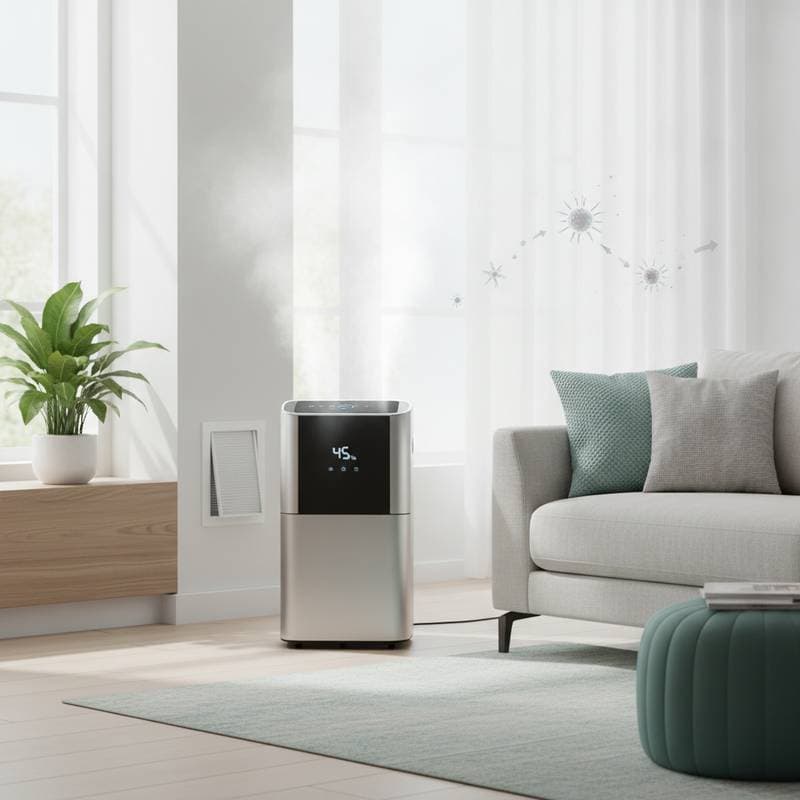
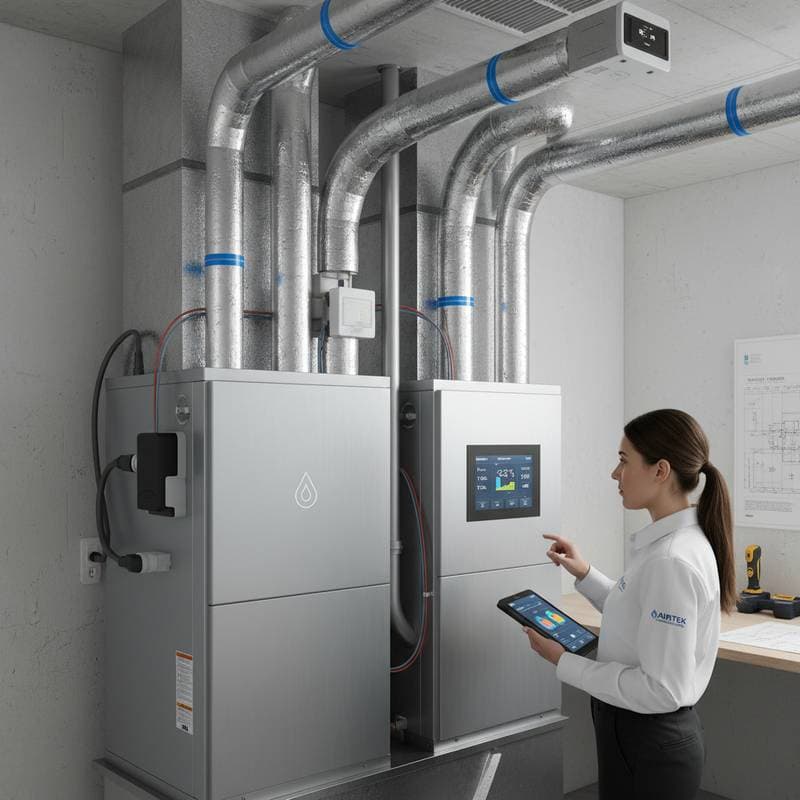
Professionals recommend integrating whole-home dehumidifiers connected to ductwork for comprehensive coverage. Unlike standalone portable devices, these solutions regulate humidity across all areas uniformly. Such installations can diminish mold risks by as much as 80 percent and typically reduce annual cooling expenses by approximately 15 percent.
Professional Strategies to Inhibit Mold Development
-
Examine and Seal Ductwork
Leaking ducts draw humid air from attics or crawl spaces into conditioned areas. Engage a specialist to assess and seal ducts, thereby blocking moisture entry. -
Implement a Smart Thermostat Featuring Humidity Regulation
Contemporary thermostats allow simultaneous settings for temperature and humidity. This integrated approach ensures steady comfort throughout the home. -
Conduct Routine Maintenance Schedules
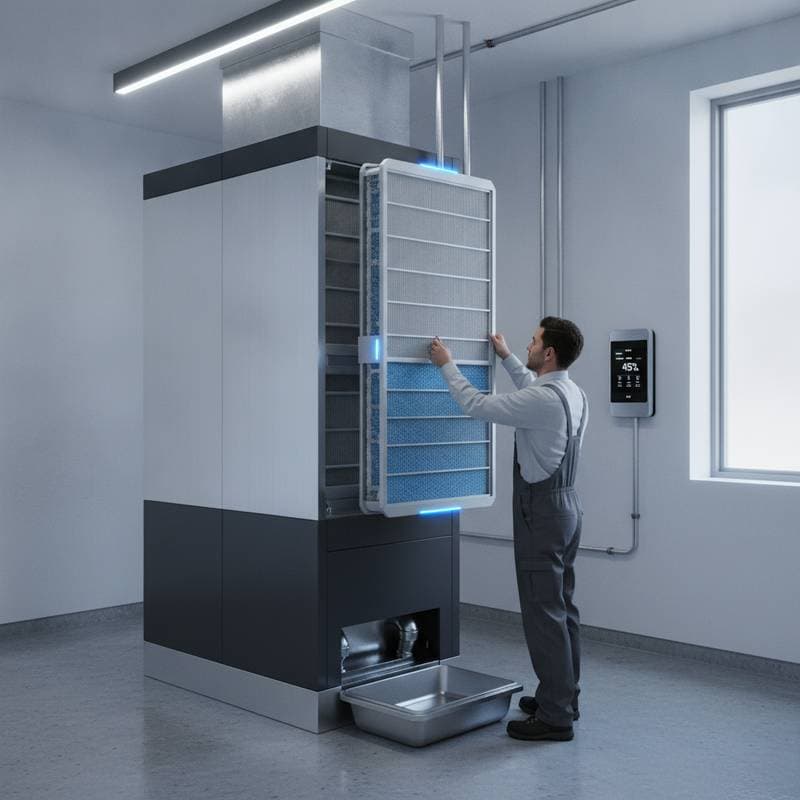
Clogged filters, obstructed condensate drains, or degraded coils impair dehumidification performance. Regular servicing optimizes system functionality. -
Incorporate a Whole-Home Dehumidifier
For residences experiencing ongoing humidity challenges, a duct-integrated dehumidifier provides reliable moisture oversight. -
Track Environmental Conditions Indoors
Place a digital hygrometer in primary living spaces. This modest tool enables early detection of humidity elevations, averting potential harm.
Key Factors for Homeowners Considering Upgrades
Installing a humidity-focused HVAC system generally ranges from $4,000 to $8,000, influenced by home size and configuration. Although the initial outlay appears significant, it averts expensive remediation for mold damage, structural warping, and material degradation. Yearly maintenance costs between $150 and $300 often yield savings of several hundred dollars in energy use.
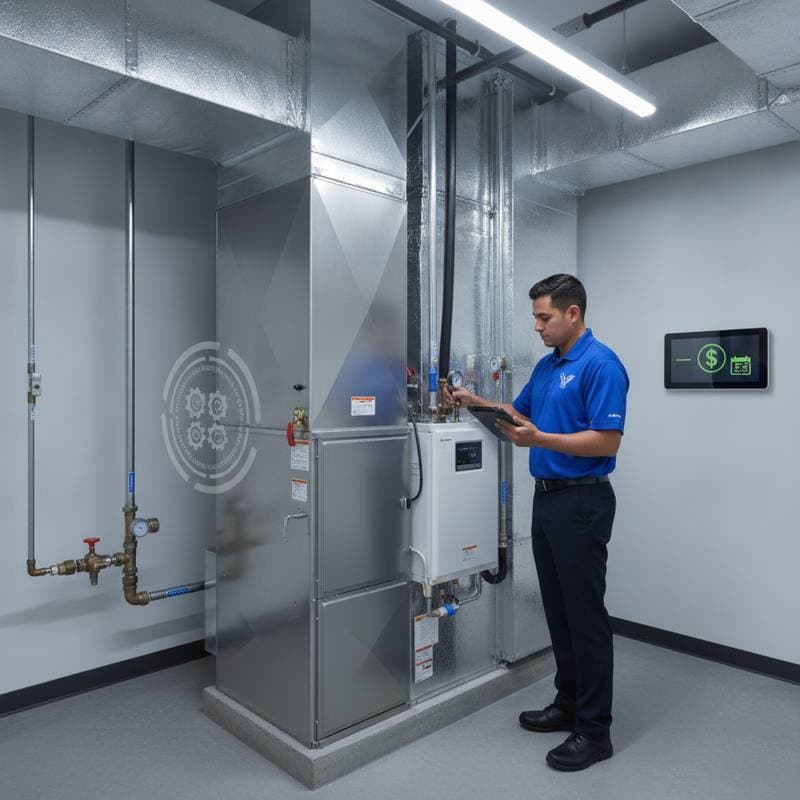
Prioritize safety in all actions. Mold spores pose risks to respiratory health, so refrain from personal attempts at duct cleaning if contamination is suspected. Consult certified HVAC technicians adhering to containment and filtration protocols. Local regulations might mandate permits for replacements; confirm adherence prior to proceeding.
HVAC engineer Maria Lopez stated, "Humidity control is no longer optional. It is the foundation of healthy indoor living." This perspective aligns with guidance provided to clients daily. Effective moisture management today prevents future complications.
Secure Mold-Free Indoor Comfort
Envision returning from a humid outdoor environment to invigorating, dry air devoid of any clamminess. Advanced HVAC systems with humidity control realize this level of comfort. Success depends on diligent upkeep and technology selections attuned to specific home requirements.
To minimize mold threats and elevate living standards, contact qualified HVAC specialists via americanairhvac.net for a complimentary assessment. These experts specialize in current dehumidification advancements and customize solutions to fit individual properties.
Frequently Asked Questions
Q: How can I identify excessive humidity in my home?
A: Indicators encompass window condensation, musty smells, or persistent stickiness despite air conditioning use. A hygrometer measurement surpassing 60 percent verifies elevated levels.
Q: What constitutes an optimal indoor humidity range?
A: Experts advise maintaining levels between 40 and 50 percent to promote comfort and deter mold.