Why 2026 Homes Need Whole-House Humidity Control
Homeowners often encounter discomfort from sticky summer air or dry winter conditions. Wood floors may creak, skin can become irritated, and basements might develop musty odors. These symptoms indicate imbalanced humidity levels that affect comfort, health, and home integrity.
Whole-house humidity control emerges as a vital upgrade for contemporary residences. Proper management enhances air quality, optimizes HVAC performance, and preserves structural elements over time.
The Hidden Cost of Poor Humidity
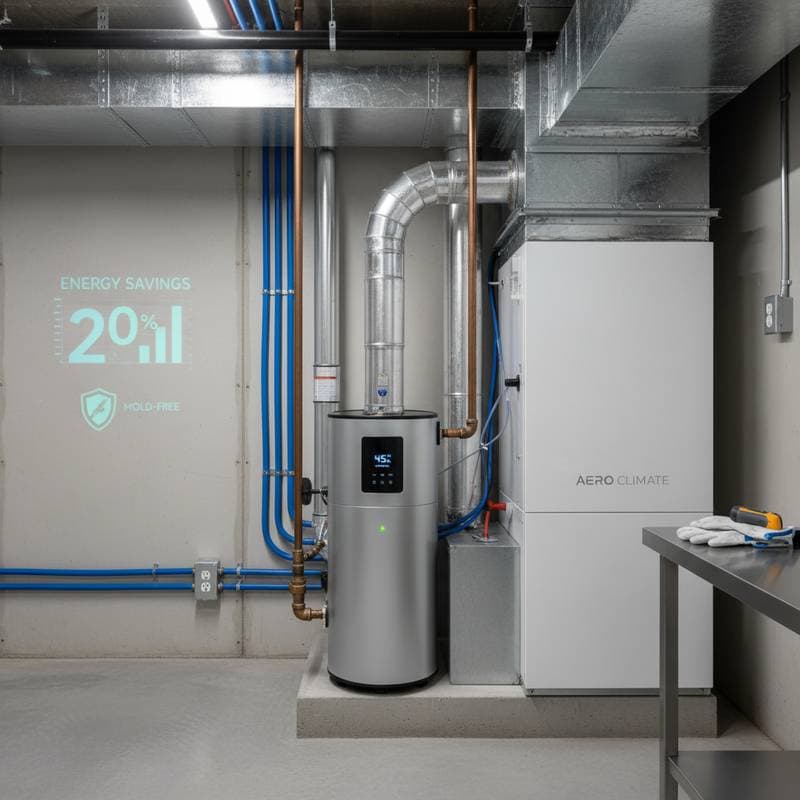
Unmanaged humidity disrupts daily living in subtle yet significant ways. When levels exceed 60 percent, mold growth accelerates, posing health risks and requiring remediation. Air conditioners then operate under increased load, which reduces equipment longevity and elevates utility costs by up to 20 percent.
Conversely, humidity below 35 percent leads to dry air that cracks paint, warps wooden fixtures, and causes respiratory irritation. In areas with seasonal extremes, such as humid summers followed by arid winters, dedicated systems become essential to mitigate these effects.
How Whole-House Humidity Control Works
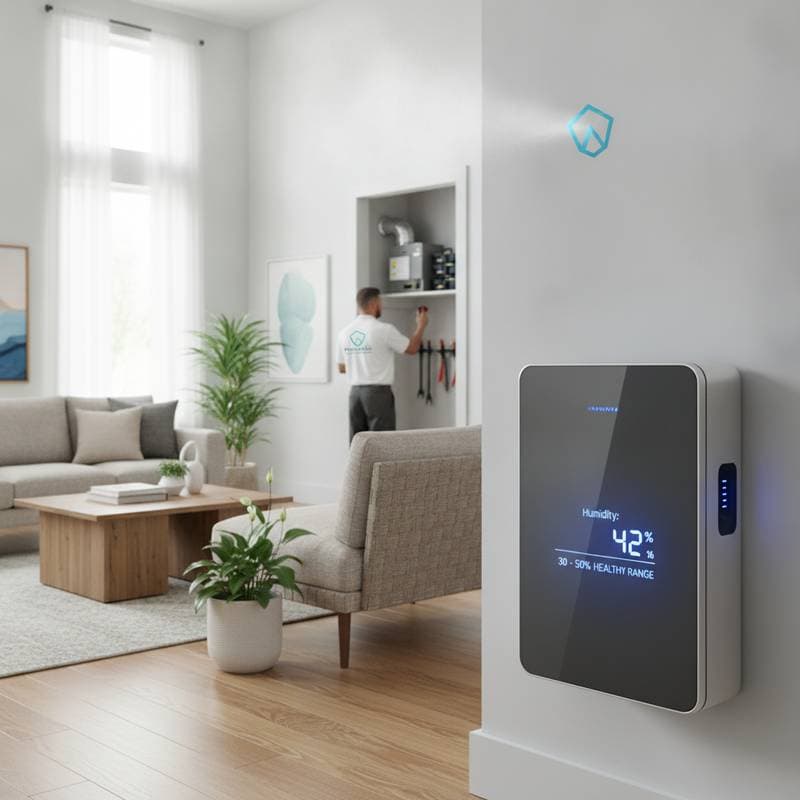
These systems integrate seamlessly with existing HVAC infrastructure. Sensors continuously monitor moisture content and adjust it to maintain 40 to 50 percent relative humidity throughout the home. This method surpasses portable devices by treating all spaces uniformly.
Consider the system as a foundational component of indoor climate regulation. It operates unobtrusively to safeguard building materials, elevate air purity, and enhance the efficiency of heating and cooling operations.
Expert Strategies for Balanced Indoor Air
-
Install a Whole-House Dehumidifier
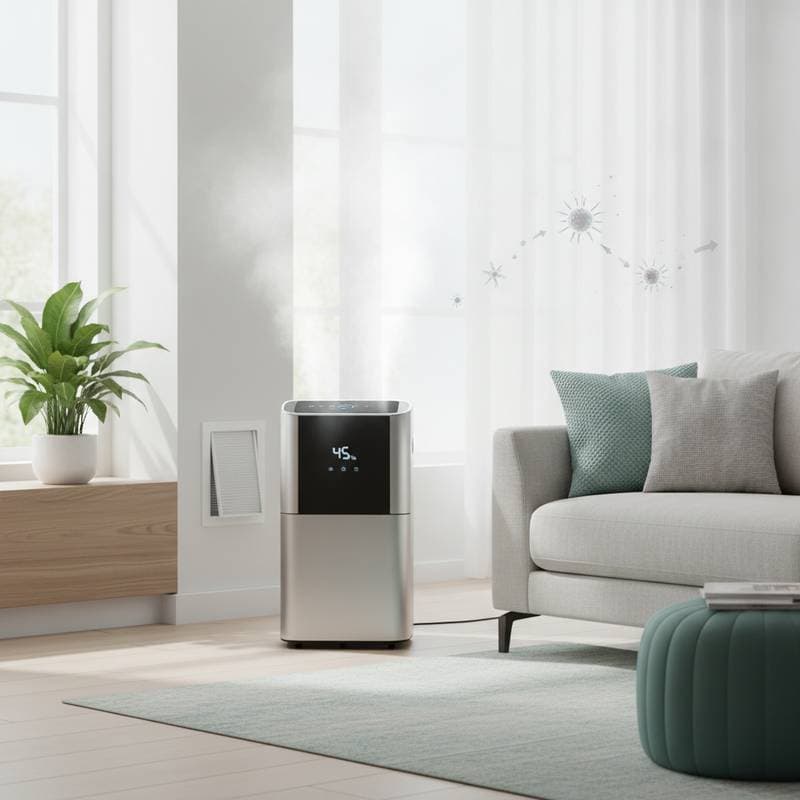
This device connects to ductwork and extracts excess moisture from circulating air. It proves ideal for humid environments or homes lacking adequate ventilation, preventing condensation on windows and walls. -
Add a Whole-House Humidifier
In dry climates or during heating seasons, this unit introduces controlled moisture to alleviate discomfort and protect surfaces like hardwood floors from splitting. -
Use Smart Controls
Advanced setups feature sensors that provide real-time data. Access humidity levels via thermostats or mobile applications to fine-tune settings for optimal conditions. -
Schedule Regular Maintenance
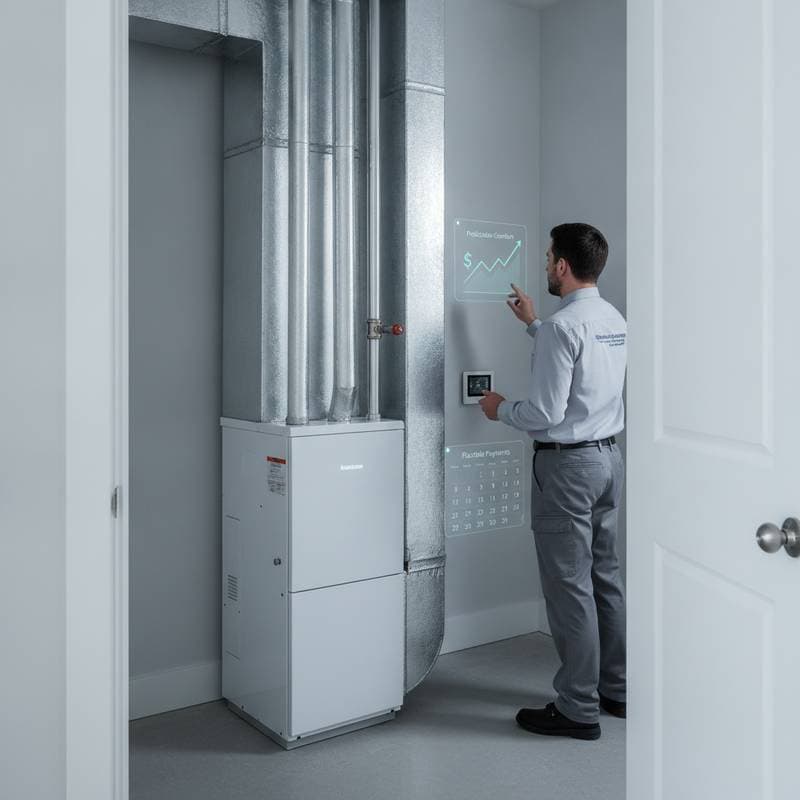
Annual inspections mirror those for furnaces or air conditioners. Professionals replace filters, clean components, and verify drainage to sustain peak performance. -
Seal and Insulate
Address gaps around doors, windows, and attics to retain conditioned air. Enhanced barriers support humidity systems in achieving stable indoor environments with minimal effort.
Practical Considerations Before Installing
Costs for whole-house systems depend on residence size and setup requirements. Dehumidifiers generally range from $1,500 to $3,000 installed, while humidifiers fall between $600 and $1,200. Returns materialize through reduced energy consumption and minimized repairs to HVAC units and interior elements.
Professional involvement ensures compliance with safety standards. Installations involve handling refrigerants, drains, and wiring, so select licensed, insured contractors familiar with local regulations.
HVAC technician Maria Lopez states, “Balanced humidity protects both your health and your home. It is one of those upgrades that quietly saves money every single day.” This perspective aligns with field observations where such systems yield sustained benefits.
Taking Action Toward Healthier Air
Persistent clamminess in summer or aridity in winter signals the need for intervention. Whole-house humidity control elevates living standards, reduces energy expenditure, and shields against structural deterioration. Consult qualified HVAC specialists for assessments, moisture evaluations, and tailored recommendations suited to local conditions and financial parameters.
Achieving balanced air fosters well-being through reduced allergens and reliable climate management. These systems deliver enduring value by promoting a resilient, comfortable home environment.
Frequently Asked Questions
Q: How can I tell if my home needs a dehumidifier or humidifier?
A: Employ a hygrometer to measure indoor levels. Readings consistently above 55 percent suggest a dehumidifier; those below 35 percent indicate a need for a humidifier.
Q: Can I install a whole-house humidity system myself?
A: Professional installation is recommended. Integration with ductwork and electrical systems demands specialized knowledge to ensure safety and effectiveness.