Spring 2025 HVAC Checklist: Boost Efficiency Now
Spring provides an ideal opportunity to prepare your HVAC system for the upcoming summer heat. A comprehensive seasonal tune-up enhances efficiency, reduces energy bills, and prolongs equipment lifespan. Through straightforward maintenance tasks and expert inspections, homeowners maintain reliable heating and cooling performance year-round.
This guide presents a detailed spring HVAC checklist tailored for warmer weather preparation. Tasks range from basic filter replacements to thorough refrigerant line checks. These measures ensure optimal comfort while minimizing energy consumption.
The Ultimate Spring HVAC Checklist
This section outlines essential tasks for spring system preparation. DIY options suit simple chores, while complex inspections demand certified professionals. Follow these steps in sequence for comprehensive results.
1. Replace or Clean Air Filters
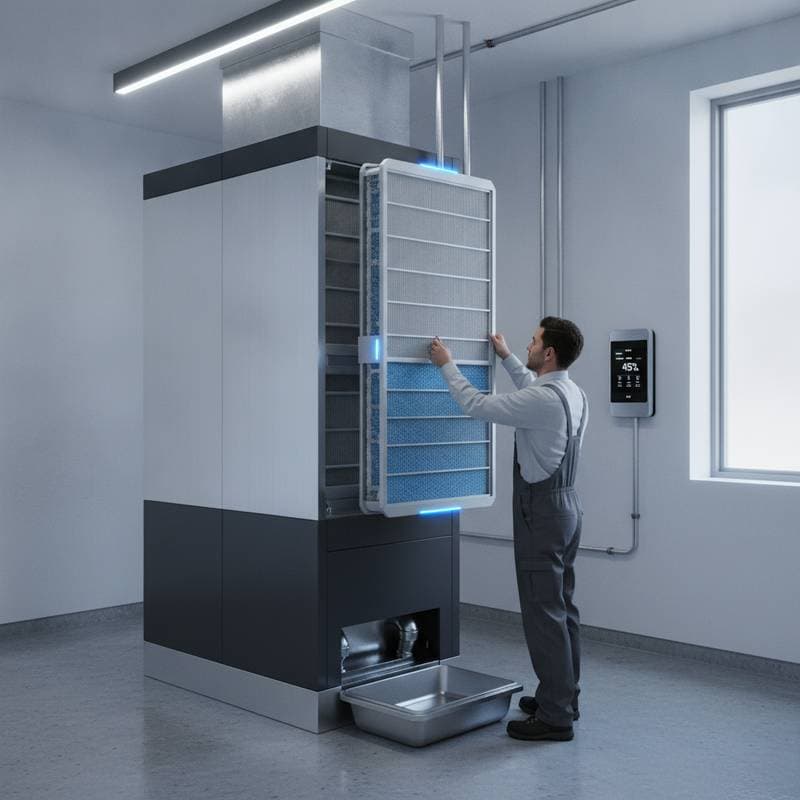
Clogged filters impede airflow, compelling the system to operate inefficiently and consume excess energy. Homeowners replace disposable filters or wash reusable models every one to three months. In spring, heightened pollen activity warrants monthly checks to enhance air purity and operational smoothness.
Select filters with a MERV rating of 8 to 13 for balanced filtration without straining the blower. Track replacement dates on a calendar to maintain consistency. This practice alone cuts energy use by up to 15 percent.
2. Inspect and Clean Air Vents and Registers
Dust buildup in vents hampers circulation and disperses irritants throughout living spaces. Vacuum registers thoroughly and wipe surfaces with a damp cloth to restore flow. Verify that no obstructions, such as rugs or furniture, impede vent access.
Focus on high-traffic areas like bedrooms and living rooms first. This task improves overall system balance and reduces strain on the blower motor. Regular cleaning prevents mold growth in humid conditions.
3. Check the Outdoor Unit
Winter elements often leave the condenser unit cluttered with foliage and soil. Clear a two-foot radius around the base to facilitate unrestricted airflow. Rinse fins gently with a garden hose, maintaining low water pressure to avoid damage.
Trim nearby vegetation that could encroach during growth seasons. Inspect the unit's base for level stability, as uneven positioning stresses components. These actions safeguard cooling capacity as temperatures rise.
4. Examine the Thermostat
Verify thermostat accuracy by comparing its reading to a separate thermometer. If discrepancies occur, adjust settings or recalibrate the device. Upgrading to a programmable model automates adjustments based on occupancy patterns, yielding notable savings.
Smart thermostats integrate with home automation for remote control via apps. Program schedules to raise temperatures during absences and lower them upon return. This feature optimizes energy use without manual intervention.
5. Inspect Refrigerant Lines
Insulation on refrigerant lines preserves cooling effectiveness by preventing heat gain. Scan for deterioration, such as frayed covering or visible leaks, and engage a technician for repairs. Depleted refrigerant prompts continuous operation, elevating costs and component fatigue.
Professionals use detection tools to pinpoint subtle leaks early. Proper insulation maintains pressure balance and avoids compressor overload. Address issues promptly to comply with environmental regulations on refrigerants.
6. Clean the Evaporator and Condenser Coils
Accumulated debris on coils diminishes heat transfer, forcing the system to labor excessively. Technicians employ specialized solutions to dissolve grime without harming surfaces. Routine cleaning restores efficiency and averts overheating risks.
Homeowners schedule this annually, ideally in spring, to prepare for summer loads. Neglect leads to 20 to 30 percent efficiency losses over time. Clean coils ensure even cooling distribution across rooms.
7. Test System Operation
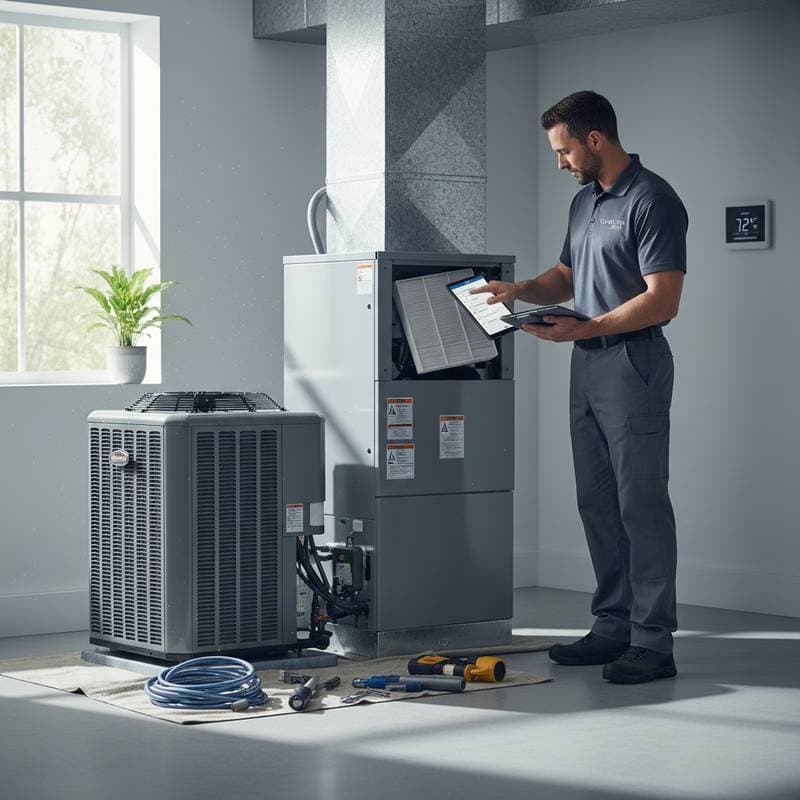
Initiate a full cooling cycle post-maintenance to assess functionality. Monitor for irregular sounds, evaluate vent output strength, and measure air temperature drop. Early detection of anomalies allows corrective action before heavy usage.
Record baseline performance metrics, such as cycle duration and noise levels. If airflow weakens in specific zones, investigate ductwork. This verification confirms readiness for seasonal demands.
8. Schedule a Professional Inspection
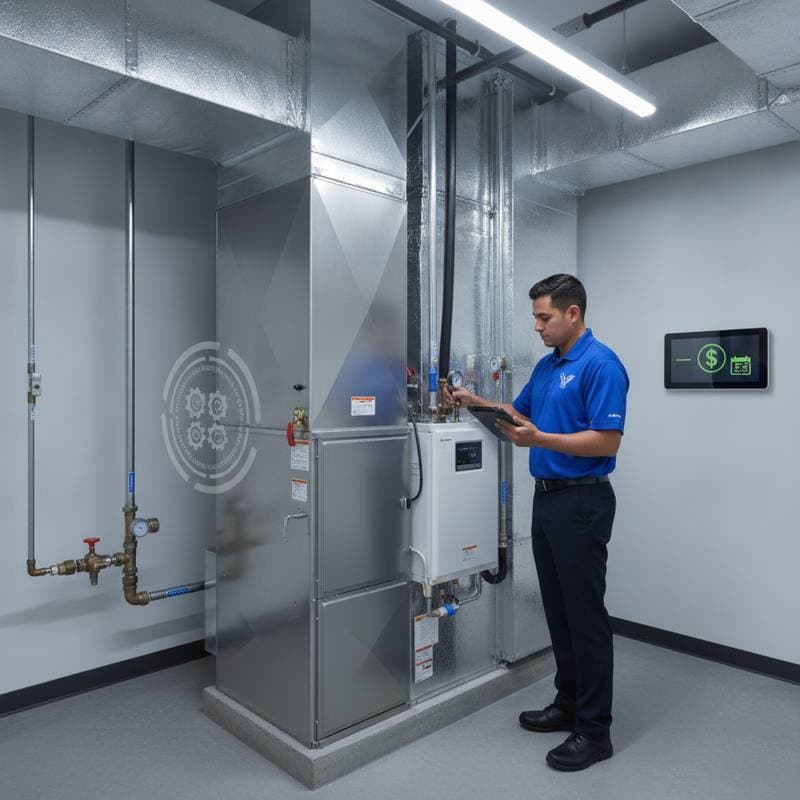
Technicians conduct in-depth evaluations, including electrical integrity checks, lubrication of mechanisms, and safety feature tests. Such services identify hidden faults that DIY efforts miss. Annual tune-ups align with manufacturer recommendations for warranty preservation.
Choose NATE-certified experts for reliable diagnostics. Inspections typically last one to two hours and include performance reports. This investment minimizes unexpected failures during heat waves.
Key Factors Affecting Maintenance Cost
Multiple elements influence total expenditures for HVAC servicing.
- System size: Expansive units demand extended labor for thorough cleaning and inspection.
- System age: Vintage models frequently require specialized parts or deeper diagnostics.
- Accessibility: Confined installations prolong service times and elevate fees.
- Refrigerant type: Legacy refrigerants incur higher handling and compliance costs.
- Service frequency: Consistent annual plans often yield discounted rates over time.
- Technician experience: Seasoned specialists command premium pricing for superior outcomes.
- Seasonal demand: Early spring appointments avoid surges in summer pricing.
Homeowners mitigate expenses by selecting efficient systems and proactive care. Local market rates also play a role in final quotes.
DIY Tasks Versus Professional Care
Balancing self-performed and expert services optimizes results.
| Task | DIY or Professional |
|---|---|
| Air filter replacement | DIY |
| Vent cleaning | DIY |
| Thermostat testing | DIY |
| Coil cleaning | Professional |
| Refrigerant inspection | Professional |
| Electrical testing | Professional |
| Full system tune-up | Professional |
DIY efforts save time and money on accessible items. Professionals handle technical aspects to ensure safety and compliance. Integrate both for comprehensive upkeep.
Ways to Save Money on HVAC Service
Strategic choices lower costs while upholding quality standards.
- Book appointments in early spring to sidestep peak pricing.
- Enroll in maintenance contracts for bundled services and reductions.
- Maintain filters diligently to avoid efficiency penalties.
- Adopt smart thermostats for automated energy management.
- Address air leaks and duct insulation to curb losses.
- Preserve outdoor unit clearance across seasons.
- Obtain estimates from multiple licensed providers.
- Explore rebates for efficiency-enhancing modifications.
These practices extend savings to utility bills as well. Long-term planning maximizes returns on investments.
Questions to Ask Your HVAC Contractor
Informed inquiries secure dependable service.
- Are you licensed and insured?
- How long have you serviced HVAC systems?
- What specific steps does the tune-up encompass?
- Do you verify refrigerant levels and electrical integrity?
- Do you provide maintenance plans or guarantees?
- How long does the service appointment require?
- Are extra charges applied for parts or refrigerant?
- Can you furnish a detailed written estimate?
- Which brands or system configurations do you specialize in?
- Do you accommodate emergency needs?
These questions clarify expectations and foster trust. Request references for added assurance.
Implement Your Spring HVAC Plan Today
Apply this checklist to fortify your home against summer challenges. Start with DIY tasks this weekend, then arrange professional support. Enjoy enhanced efficiency, comfort, and savings through diligent preparation.