Battery Backup HVAC: Enhancing Outage Resilience
As an HVAC professional, I have observed numerous homeowners in our region unprepared for unexpected power outages. When electricity fails, air circulation ceases, and homes rapidly become uncomfortable. In freezing winter conditions or intense summer heat, the absence of heating or cooling can transform a pleasant space into an inhospitable one. Fortunately, battery backup HVAC systems provide dependable comfort even when the power grid falters.
Increasing Frequency of Power Outages
In various regions, intensified storm patterns and electrical grid pressures result in more frequent interruptions. HVAC equipment typically deactivates first during these events, as furnaces, air handlers, and compressors depend on electricity. This abrupt halt in temperature regulation risks frozen pipes in colder areas or excessive indoor heat in humid climates.
Over my years of experience, I have witnessed homeowners incur significant expenses from spoiled perishables, pipe bursts, and HVAC restarts following extended outages. However, an increasing number of clients have adopted battery backup solutions that maintain HVAC functionality amid disruptions. The resulting comfort and security offer a profound improvement.
Advantages Driving Adoption of Battery Backup HVAC
Conventional alternatives such as portable generators provide assistance, yet they demand fuel, manual initiation, and produce considerable noise. Battery backup systems accumulate energy from the grid or solar panels and engage automatically during outages. This immediate activation sustains air movement, thermostat operation, and consistent temperatures.
From an HVAC specialist perspective, I advise evaluating battery backups for residences prone to outages or dependent on electric heating and cooling. These solutions extend beyond off-grid applications to become standard protections for comfort and equipment longevity.
Operational Principles of Battery Backup Systems
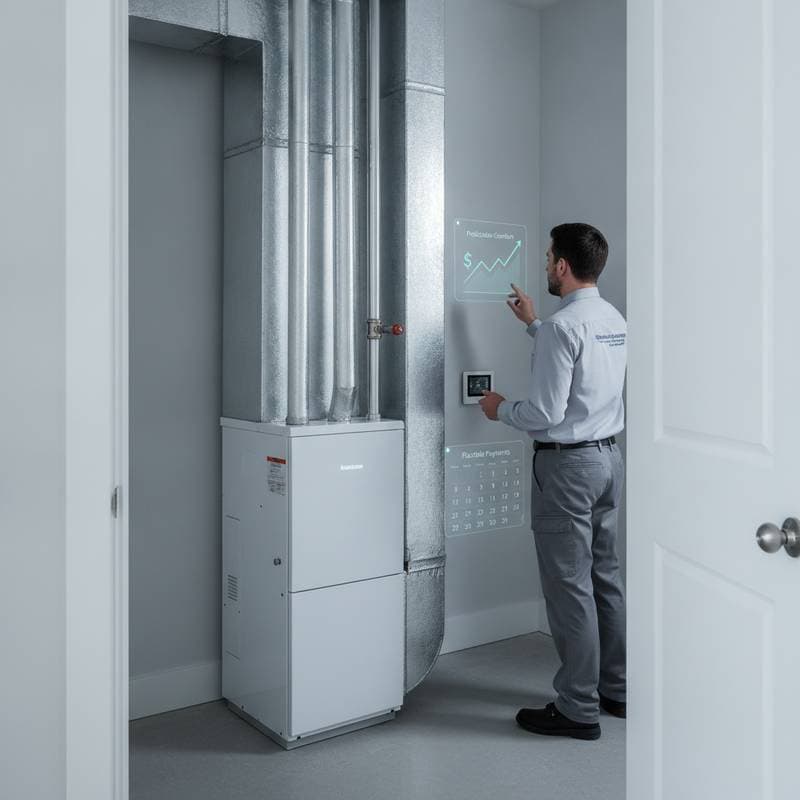
A battery backup serves as an unobtrusive protector for HVAC infrastructure. It accumulates energy under normal grid conditions and transitions to reserve power upon detecting an outage. The setup sustains vital circuits, including air handlers, thermostats, and occasionally outdoor condensers in efficient configurations.
The following outlines the core operational steps:
- Energy Accumulation: The battery gathers power during routine use, usually via a wall-mounted inverter linked to the electrical panel.
- Outage Sensing: The inverter identifies grid failure and initiates backup power in mere seconds.
- Essential Load Prioritization: It allocates energy to key appliances, such as HVAC components, sump pumps, and refrigeration units.
- Restoration Process: Upon grid recovery, the battery recharges seamlessly, readying for future incidents.
System scale and setup determine duration, with batteries supporting HVAC operations for hours or a full day. Integration with solar panels can prolong this indefinitely.
Primary Benefits for Residential Use
Battery backup HVAC extends beyond crisis management to preserve investments and bolster home durability. Notable benefits encompass:
- Continuous Temperature Control: Heating and cooling persist without disruption during power failures.
- System Safeguarding: Avoids strain from sudden stops and subsequent activations.
- Silent Functionality: Operates without the disturbance of generator sounds.
- Stable Electricity Output: Delivers consistent power that shields delicate electronics.
- Utility Savings Potential: Lowers bills through solar synergy and efficient energy use.
A regional energy advisor noted, “Battery backups were once viewed as indulgences, but they now represent essential features for contemporary residences.”
Selecting an Appropriate Battery Backup for HVAC
Choosing a suitable system involves aligning capacity, expense, and HVAC energy requirements. Effective selection hinges on accurate sizing; insufficient capacity might limit support to thermostats and fans, excluding compressors. Excess capacity increases unnecessary costs.
Consider these professional recommendations:
- Evaluate Energy Demands: Calculate your HVAC's running and surge wattage. Central air conditioning often requires 3,000 to 5,000 watts, with heat pumps demanding additional power.
- Define Scope: Opt for complete HVAC coverage or targeted support for essential parts.
- Examine Battery Options: Lithium-ion models prevail due to superior efficiency and longevity, outlasting lead-acid variants by up to double the duration.
- Solar Compatibility: Select batteries that recharge via renewables for prolonged operation.
- Engage Specialists: Collaborate with certified HVAC and electrical experts to meet codes and ensure secure setup.
Typical installations for mid-range systems range from $8,000 to $15,000, influenced by size and integration efforts. Such expenditures yield returns via minimized outage impacts, cost reductions, and elevated property worth.
Installation Planning Essentials
Prior to proceeding, review your electrical panel's capacity and HVAC details. Aging panels might necessitate enhancements to manage increased demands securely. Additionally, verify grounding and surge safeguards, as inverters demand steady environments.
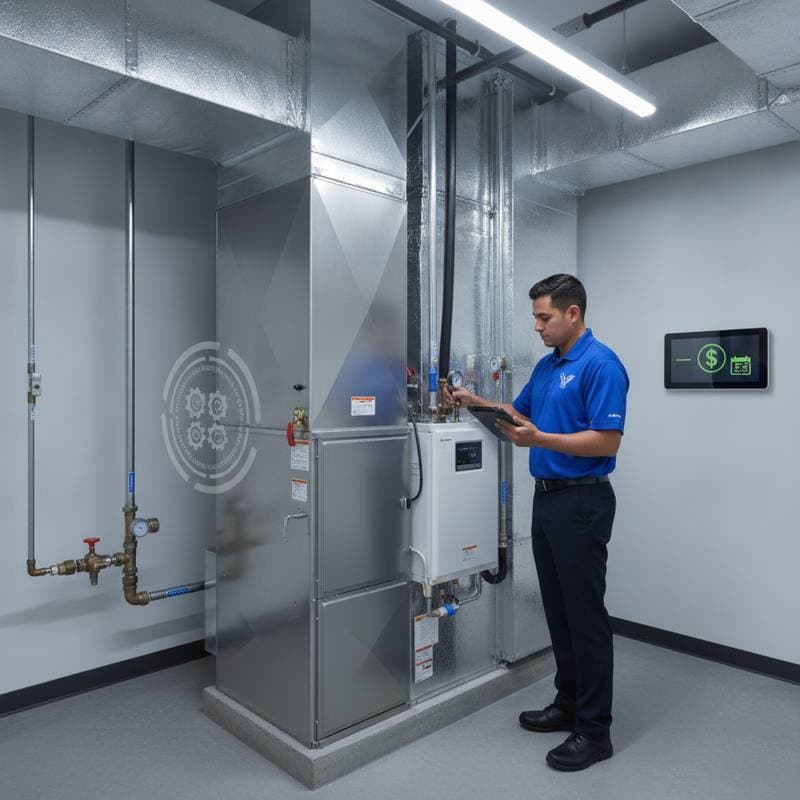
Safety holds paramount importance. High-voltage storage in batteries precludes amateur installations; certified technicians must address wiring, airflow, and configuration. Utilities and local authorities often mandate permits for storage installations, underscoring the need for adherence.
Upkeep proves straightforward, involving periodic software updates and checks for wear or debris. Maintaining clear ventilation around the unit promotes sustained reliability.
Advancing Home Resilience Through Installation
Implementing a battery backup elevates a susceptible residence to a fortified one. Homeowners avoid monitoring failing thermostats in storms or fretting over halted furnaces and frozen lines. Reliable temperature maintenance becomes the norm, supported by intelligent storage.
To pursue this enhancement, reach out to a qualified HVAC professional via our service for a complimentary assessment. Review your energy profile, local weather patterns, and financial parameters. Experts can tailor a solution that secures family well-being and comfort under any circumstances.
Battery backup HVAC marks progress in dependable home climate management. It converts outages from major setbacks to negligible events, granting energy autonomy and tranquility essential for every household.
Frequently Asked Questions
How long does a battery backup sustain HVAC operations during an outage?
Duration varies by battery size and HVAC scale. Standard configurations power core elements for 4 to 12 hours, with expanded or solar-enhanced setups extending further.
Is indoor installation of battery backups secure?
Yes, contemporary lithium-ion units suit indoor placements in garages or utility spaces, featuring thermal regulation and fail-safe mechanisms.
Do battery backups accommodate both heating and cooling functions?
Proper dimensioning allows support for both. All-electric heat pumps or geothermal setups may require augmented capacity to address elevated winter demands.