Ductless Heat Pumps Lead 2025 Home Upgrades
Homeowners increasingly select ductless heat pumps for heating and cooling improvements. These systems provide consistent comfort and significant energy reductions without the disruption of duct installation. As a result, they emerge as a preferred option for contemporary residences seeking efficiency and convenience.
Understanding Ductless Heat Pumps and Their Advantages
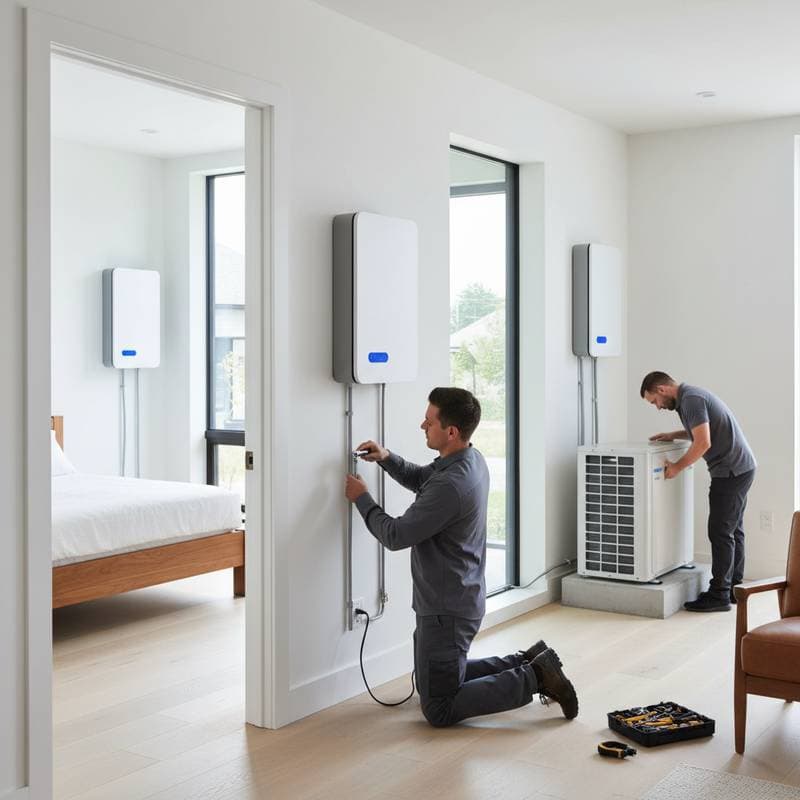
Ductless heat pumps, commonly known as mini-splits, consist of one outdoor compressor unit linked to multiple indoor wall-mounted units. This design targets specific rooms for heating or cooling, bypassing the energy inefficiencies of duct systems that can lose up to 30 percent of conditioned air through leaks and conduction. The absence of ducts simplifies setup, often completing in a single day for most homes, and preserves architectural integrity.
A primary driver of their rise involves superior energy efficiency. Inverter-driven compressors modulate speed to match real-time needs, avoiding the energy spikes from traditional units that start and stop abruptly. Many models achieve SEER ratings above 20, far surpassing the 13 to 14 common in older systems, which translates to annual savings of 20 to 40 percent on utility bills for average households. ENERGY STAR certification on select units unlocks federal tax credits up to $2,000 and state-specific rebates that offset initial expenses.
Comprehensive Cost Analysis
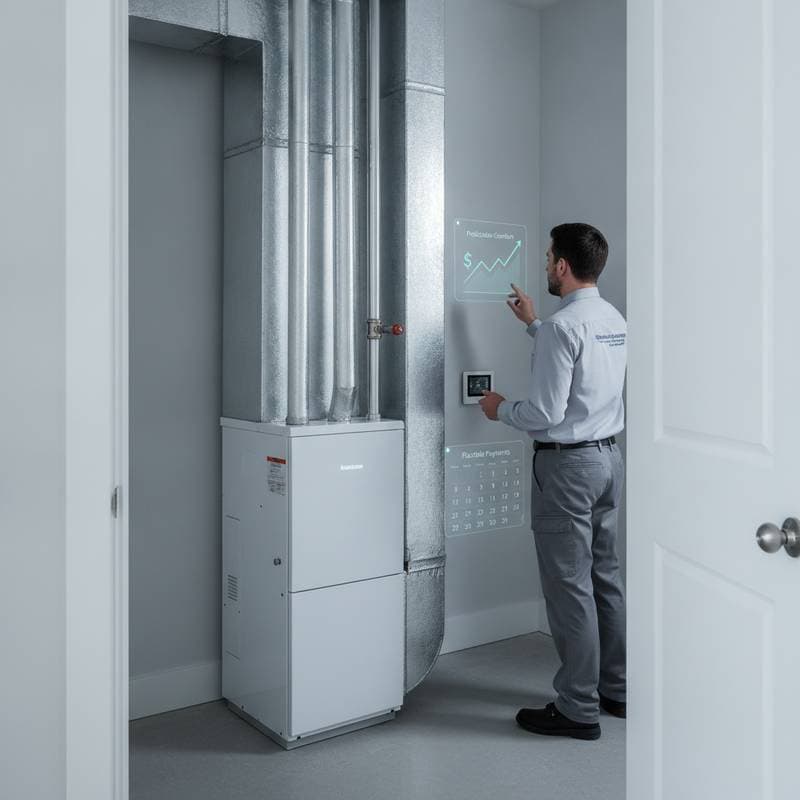
Installation expenses for ductless heat pumps depend on factors such as home configuration and system scope. Single-zone setups, ideal for small additions or single rooms, typically range from $3,000 to $10,000. Multi-zone systems, serving multiple areas, fall between $8,000 and $20,000, while premium high-efficiency variants with advanced features can reach $25,000.
| System Type | Average Cost Range |
|---|---|
| Single-zone ductless heat pump | $3,000 to $10,000 |
| Multi-zone ductless heat pump | $8,000 to $20,000 |
| High-efficiency model | $10,000 to $25,000 |
| DIY mini-split kit | $1,500 to $5,000 |
Nationwide, the average installation totals $8,500, with minimum projects at $1,500 for basic kits and maximums near $25,000 for complex, large-scale implementations. These figures incorporate equipment, labor, and basic electrical modifications, based on installer reports and homeowner experiences.
Elements That Determine Pricing
Several variables shape the overall investment in a ductless heat pump system.
-
System capacity: Homes with greater square footage demand higher BTU output, necessitating larger units or additional indoor heads.
-
Efficiency specifications: Models with elevated SEER or HSPF (Heating Seasonal Performance Factor) ratings, such as 25 SEER, command higher prices yet yield greater long-term reductions in energy costs.
-
Zone quantity: Expanding from one to four or more zones adds components and wiring, elevating both material and installation fees.
-
Manufacturer and features: Established brands like Mitsubishi or Daikin, equipped with Wi-Fi connectivity and air purification, increase costs but enhance user control and system durability.
-
Site challenges: Retrofitting into historic structures or navigating limited access may require custom solutions, boosting labor hours.
-
Regional climate: In areas with harsh winters, low-temperature models that operate efficiently down to -15 degrees Fahrenheit justify premium pricing for consistent performance.
Advantages Extending Past Financial Savings
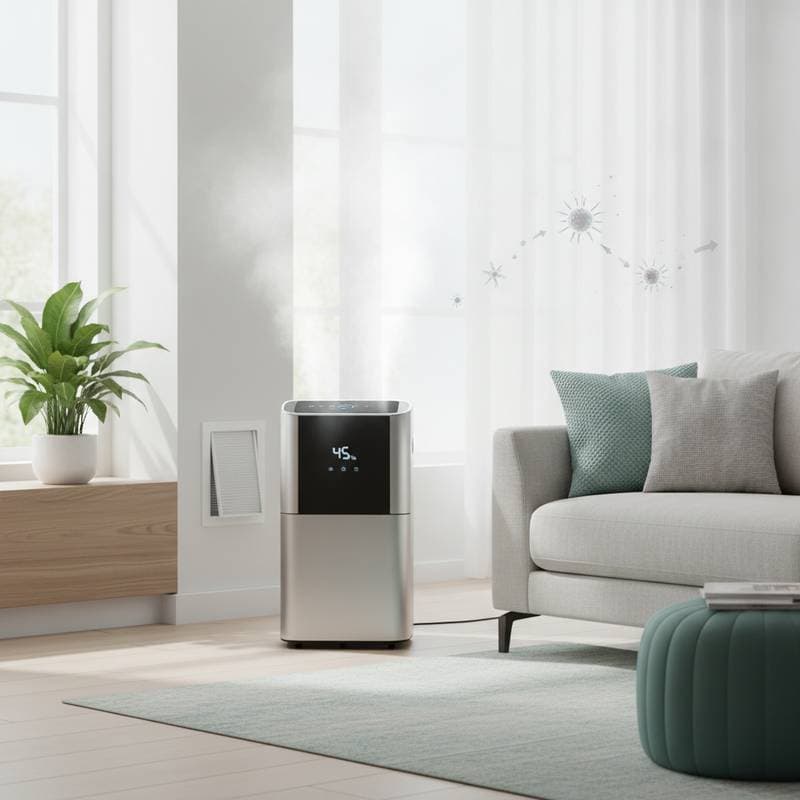
Ductless heat pumps offer multifaceted benefits that elevate daily living. Advanced filtration captures particles as small as 0.3 microns, reducing allergens and improving respiratory health compared to ducted systems prone to mold buildup. Their operation generates noise levels below 20 decibels indoors, akin to a soft whisper, making them suitable for noise-sensitive environments like nurseries or home offices.
Zoned functionality permits independent temperature settings per room, ensuring energy use aligns with occupancy patterns. For instance, cool a living area during the day while keeping unused bedrooms neutral, which extends equipment life by minimizing unnecessary cycling. In humid regions, many units include dehumidification modes that maintain 40 to 60 percent relative humidity for added comfort.
Ensuring Longevity Through Maintenance
Proper upkeep sustains the efficiency and lifespan of ductless heat pumps, often exceeding 20 years. Homeowners should inspect and clean indoor filters monthly to prevent airflow restrictions that could raise energy consumption by 15 percent. Clear vegetation and debris from the outdoor unit quarterly to optimize heat exchange.
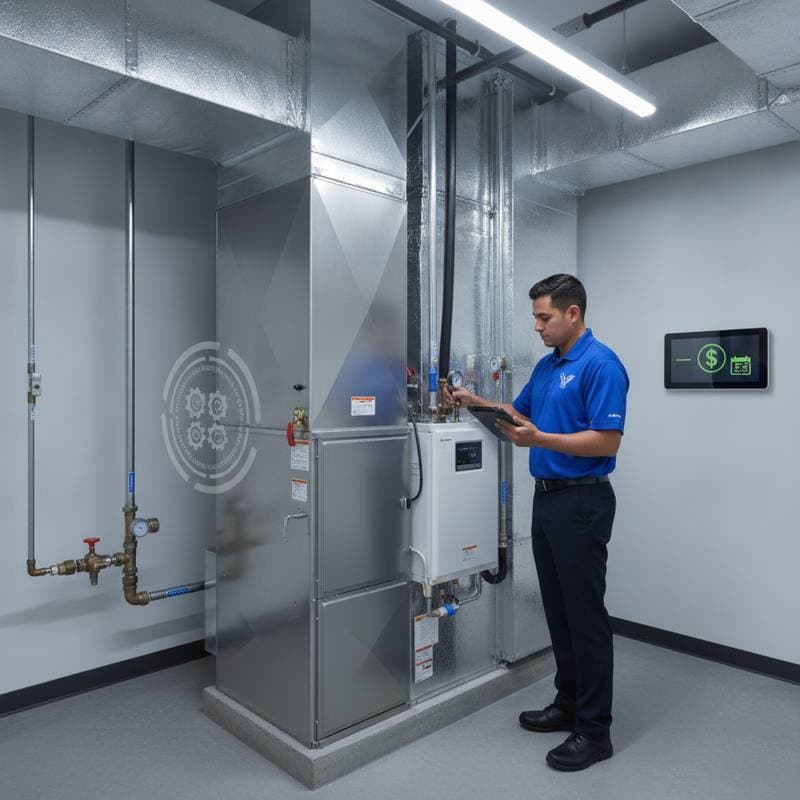
Annual professional inspections verify refrigerant levels, electrical connections, and coil cleanliness, addressing issues before they escalate. Such diligence not only preserves warranty terms, typically 10 to 12 years on compressors, but also maintains peak efficiency ratings over time.
Steps to Install a Ductless Heat Pump System
To integrate a ductless heat pump into your home, start by assessing current energy needs through a professional load calculation. Consult at least three licensed HVAC specialists for detailed quotes, emphasizing systems matched to your climate and layout. Verify contractor credentials via NATE certification and inquire about extended warranties.
Explore incentive programs through the Database of State Incentives for Renewables and Efficiency to maximize rebates. Once selected, prepare for installation by clearing work areas and updating electrical panels if required. Post-installation, monitor performance via built-in diagnostics and adjust settings for optimal savings. This approach secures reliable, efficient comfort tailored to your lifestyle.