Humidity Control HVAC: Revolutionizing Mold Prevention in Your Home
As an HVAC professional, I have observed numerous homeowners struggling with concealed moisture problems that undermine their comfort and well-being. Homeowners may detect a subtle musty odor in the hallway or observe condensation forming on windowpanes following a humid afternoon. These subtle indicators frequently signal a larger issue developing within air ducts, walls, or crawl spaces. The primary cause often traces back to inadequate humidity control, allowing mold to establish itself undetected.
Residents in humid areas understand the oppressive sensation of indoor air laden with sticky moisture on every surface. This excess humidity not only causes discomfort but also nourishes mold spores, leading to respiratory problems, structural damage, and expensive repairs. Fortunately, contemporary humidity control HVAC systems have elevated mold prevention from a mere reaction to a systematic approach.
The Hidden Threat of Indoor Moisture
Through extensive field experience, I have determined that mold thrives without standing water; it requires only elevated moisture in the air, particularly when relative humidity surpasses 60 percent. At that threshold, spores infiltrate materials such as drywall, insulation, or carpet fibers. In regions with high humidity or in older structures lacking effective ventilation, this process recurs without intervention.
Humidity poses a significant risk due to its undetectable nature. Individuals may perceive a comfortable temperature, yet invisible moisture could permeate the home's atmosphere. Traditional air conditioning removes some humidity, but it lacks the precision to regulate it effectively.
Unchecked humidity manifests in several observable ways for homeowners:
- Enduring musty odors that persist despite thorough cleaning
- Condensation appearing on windows or HVAC vents
- Visible mold patches emerging near ceilings or behind furniture
- Aggravated allergy or asthma symptoms
- Escalating energy costs as cooling equipment operates excessively
How Modern HVAC Systems Solve the Problem
Advanced HVAC systems target humidity through built-in dehumidification features. Homeowners should view their HVAC setup as the central regulator of indoor comfort, where components like ducts and sensors collaborate to achieve equilibrium.
These humidity control systems employ sophisticated sensors to track moisture levels continuously. Upon detecting an increase, the system modifies airflow, compressor velocity, or engages a specialized dehumidifier to reestablish optimal conditions. Such accuracy ensures mold cannot gain traction.
Key Strategies for Effective Humidity Control
Examine the primary methods for preventing mold via HVAC enhancements.
1. Install a Whole-Home Dehumidifier
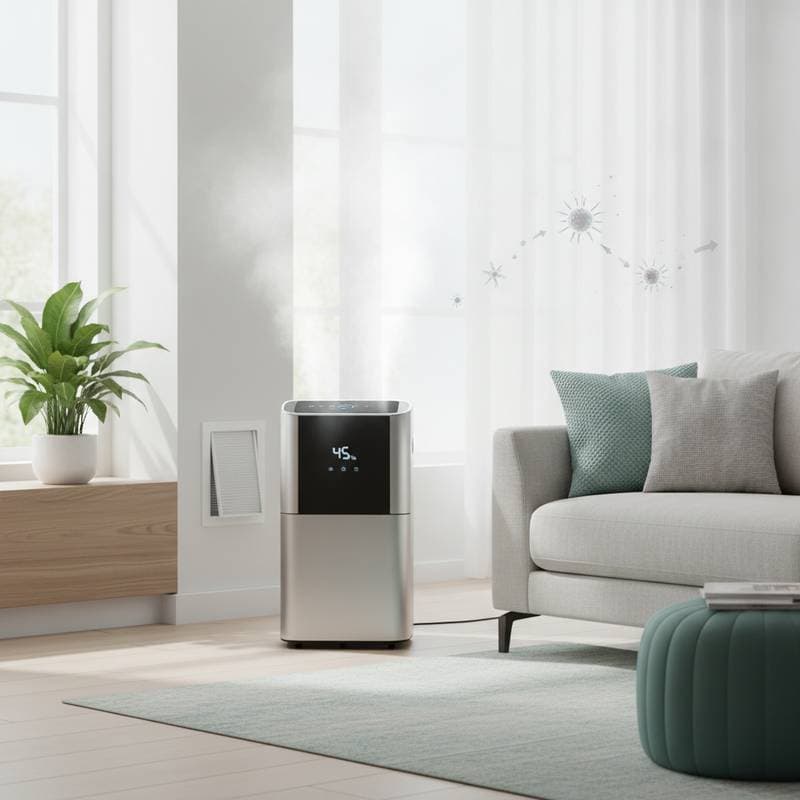
A whole-home dehumidifier integrates seamlessly with the HVAC system, extracting moisture from the air prior to its distribution throughout the residence. Unlike standalone portable devices, these units provide uniform treatment across all areas.
Benefits include:
- Uniform humidity levels throughout the home
- Decreased workload on the air conditioner
- Reduced energy consumption through enhanced cooling efficiency
- Minimized mold risks in areas like basements and attics
2. Upgrade to a Variable-Speed System
Variable-speed HVAC systems adapt their performance to current indoor conditions. Operating at extended durations with reduced speeds, they extract greater amounts of humidity compared to fixed-speed models. This approach yields stable temperatures, reduced noise, and superior air purity.
3. Balance Ventilation and Airflow
Effective ventilation proves crucial for managing indoor moisture. Enclosed areas harboring stagnant air can experience rapid humidity increases. Professionals assess airflow to confirm that return vents, ducts, and registers function in harmony.
Tips for better ventilation:
- Maintain open interior doors during air conditioning operation
- Clean or replace air filters every one to two months
- Ensure vents remain unobstructed by furniture or curtains
4. Use Smart Thermostats with Humidity Sensors
Smart thermostats monitor temperature and humidity simultaneously, enabling precise oversight of indoor conditions. Numerous models permit setting specific humidity thresholds, triggering dehumidification automatically when necessary.
5. Maintain Regular HVAC Tune-Ups
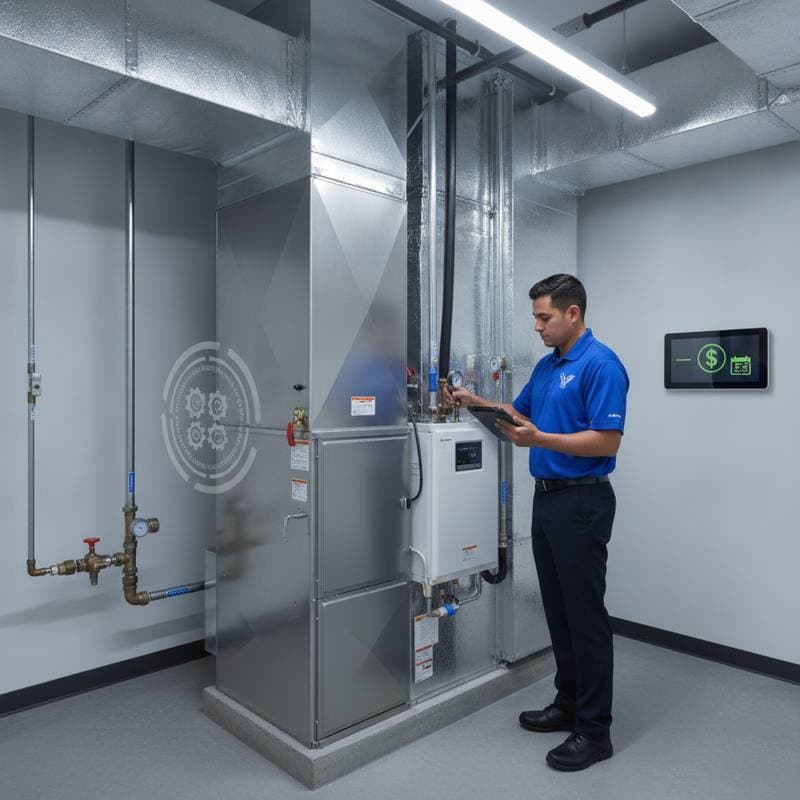
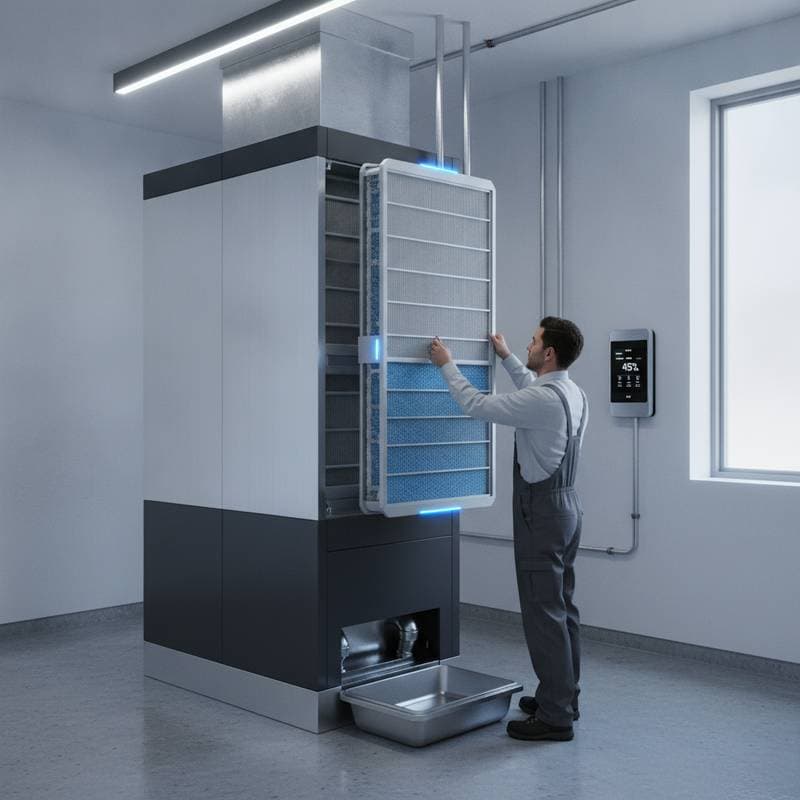
Regular maintenance sustains HVAC performance, akin to servicing a vehicle engine to avert failures. A comprehensive tune-up involves coil cleaning, refrigerant level verification, and condensate drain inspection. These procedures guarantee that moisture exits the system rather than recirculating indoors.
Practical Considerations for Homeowners
When evaluating humidity control improvements, consider expenses and expert advice as essential elements. Whole-home dehumidifiers generally cost between $1,200 and $2,500, inclusive of installation. Variable-speed systems involve higher initial investment but can decrease yearly energy expenditures by as much as 15 percent.
Installation timelines remain practical, typically spanning one to two days based on the existing setup. Engage a certified HVAC contractor familiar with regional regulations and humidity characteristics. Technician Laura Jensen notes, "Every region has its own moisture signature. What works in a desert climate will not perform the same in a coastal environment."
Prioritize safety above all. Refrain from handling refrigerants or electrical components independently. Concentrate on accessible tasks, including filter changes and routine cleaning.
Identifying Warning Signs Before They Escalate
Early recognition of humidity problems can prevent substantial mold remediation costs. Monitor for these indicators:
- Walls or ceilings that feel damp upon contact
- A lingering earthy scent in closets or bathrooms
- Warped wooden floors or paint exhibiting bubbles
- Indoor humidity measurements exceeding norms, as detected by a hygrometer
Upon noticing these signs, arrange an HVAC evaluation promptly. Experts can pinpoint causes such as faulty drainage, inadequate equipment sizing, or obstructed ducts.
Expert Tips to Extend Your System’s Lifespan
Adopt these practices to sustain HVAC efficiency and safeguard against mold:
- Monitor humidity year-round. Place digital hygrometers in primary living spaces and target levels between 40 and 55 percent.
- Clean condensate lines. Flush them biannually to avoid blockages leading to leaks.
- Seal ductwork. Address leaks to block humid air entry and boost efficiency.
- Inspect insulation. Adequate insulation averts condensation on chilled surfaces.
- Schedule seasonal tune-ups. This proactive measure often forestalls significant malfunctions.
Achieving Lasting Indoor Comfort
Enhancing your HVAC for superior humidity management represents a strategic investment in your home's well-being and worth. Optimal moisture balance reduces allergens, bolsters structural durability, and fosters a revitalized atmosphere. Such adjustments equip your living space with the resilience needed for sustained health.
Field experience reveals how homeowners convert damp, stifling interiors into vibrant, airy retreats through targeted humidity adjustments. Options like whole-home dehumidifiers, variable-speed units, or refined ventilation each contribute to enduring satisfaction.
To initiate improvements in air quality, consult a qualified HVAC specialist via our platform for a complimentary assessment. Their expertise will match solutions to your climate and financial parameters.
Frequently Asked Questions
Q: How can I tell if my humidity levels are too high?
A: Employ a digital hygrometer. Consistent readings above 60 percent warrant intervention. Additional clues include window condensation or musty smells.
Q: Should I run a dehumidifier in winter?
A: Generally, no. Winter conditions often prove arid. Operating a dehumidifier may induce discomfort; emphasize insulation and ventilation instead.
Q: How often should a whole-home dehumidifier be serviced?
A: Annually suffices. Technicians clean coils, verify sensors, and clear drain lines. Routine care prolongs durability and optimizes performance.
Q: Does humidity control really lower energy bills?
A: Affirmative. Lower humidity enhances perceived coolness, allowing reduced cooling demands.