Understanding the 2026 HVAC Noise Regulations
The 2026 HVAC noise regulations establish lower decibel thresholds for heating, ventilation, and air conditioning systems in both residential and commercial settings. These changes aim to reduce noise pollution and enhance living environments. Property owners must evaluate their existing setups to determine compliance needs, as enforcement will begin nationwide.
Residential systems face limits of 45 to 55 decibels at the property boundary, while commercial units target 50 to 60 decibels depending on location and scale. Non-compliance may lead to inspections, fines, or required modifications. Early assessment by certified professionals ensures smooth transitions and avoids disruptions.
Estimating Compliance Costs
Compliance expenses vary based on system specifics and property requirements. For residential properties, upgrades typically range from $2,500 to $8,000. Commercial retrofits often cost between $6,000 and $14,000 due to larger equipment and complex installations. Additional sound-dampening measures, such as material installations, add $200 to $700.
National averages provide a benchmark for planning. The typical cost stands at $5,200, with minimum expenses around $200 for minor adjustments and maximums reaching $15,000 for full replacements in challenging scenarios.
| Metric | Amount |
|---|---|
| National average cost | $5,200 |
| Minimum cost | $200 |
| Maximum cost | $15,000 |
| Average cost range | $2,500 to $8,000 |
These figures derive from industry research and reported project expenses.
Cost Breakdown by System Type
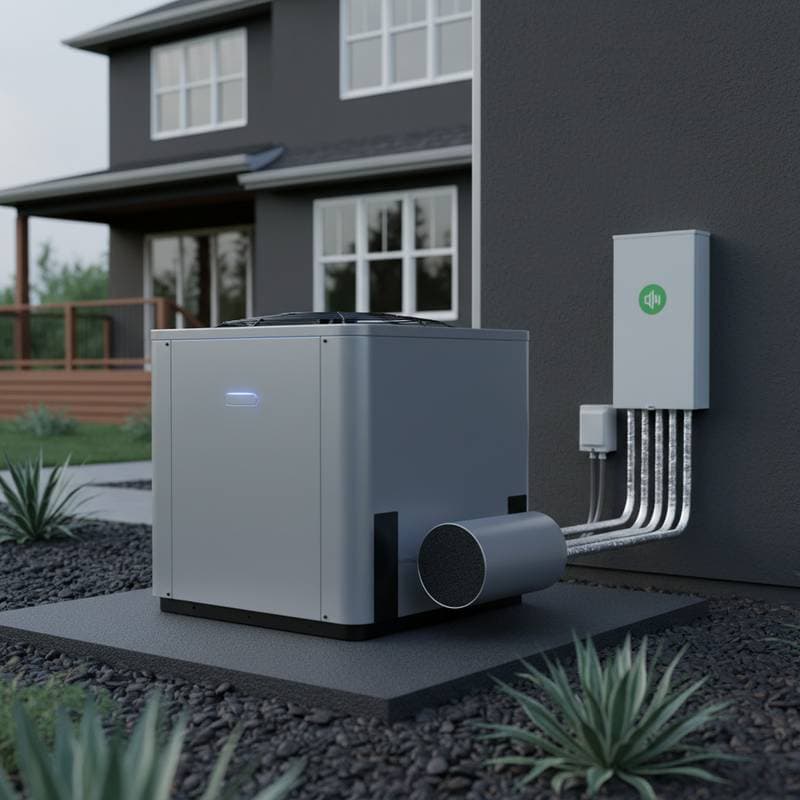
Different HVAC configurations produce varying noise levels, influencing upgrade costs. Central air conditioners, operating at 50 to 70 decibels, require $2,500 to $7,000 in modifications. Heat pumps, with 40 to 60 decibels, demand $3,000 to $8,000 for compliance.
Ductless mini-splits, already quieter at 25 to 45 decibels, need $1,800 to $5,500 in tweaks. Commercial roof-mounted units, generating 60 to 80 decibels, face the highest costs of $6,000 to $14,000.
| System Type | Typical Noise Level | Compliance Cost |
|---|---|---|
| Central air conditioner | 50 to 70 dB | $2,500 to $7,000 |
| Heat pump | 40 to 60 dB | $3,000 to $8,000 |
| Ductless mini-split | 25 to 45 dB | $1,800 to $5,500 |
| Roof-mounted commercial unit | 60 to 80 dB | $6,000 to $14,000 |
Units with advanced features like variable-speed compressors or inverter technology often comply with minimal intervention, saving significant expenses.
Additional Expenses in Compliance Projects
Beyond core upgrades, several related costs emerge during compliance efforts. Permit and inspection fees ensure regulatory approval and typically range from $100 to $500. Removal and disposal of outdated units add $300 to $800, depending on size and local disposal rules.
Electrical modifications for optimized mounting may cost $500 to $2,000, while structural adjustments secure units against vibrations. Landscaping changes, such as planting sound-absorbing shrubs, contribute $400 to $1,200. Peak-season emergency services inflate labor by 20 to 50 percent, emphasizing the value of proactive scheduling.
Homeowners benefit from comprehensive budgeting that accounts for these elements. Consulting with local authorities clarifies specific fees and requirements in your area.
Essential Maintenance for Noise Reduction
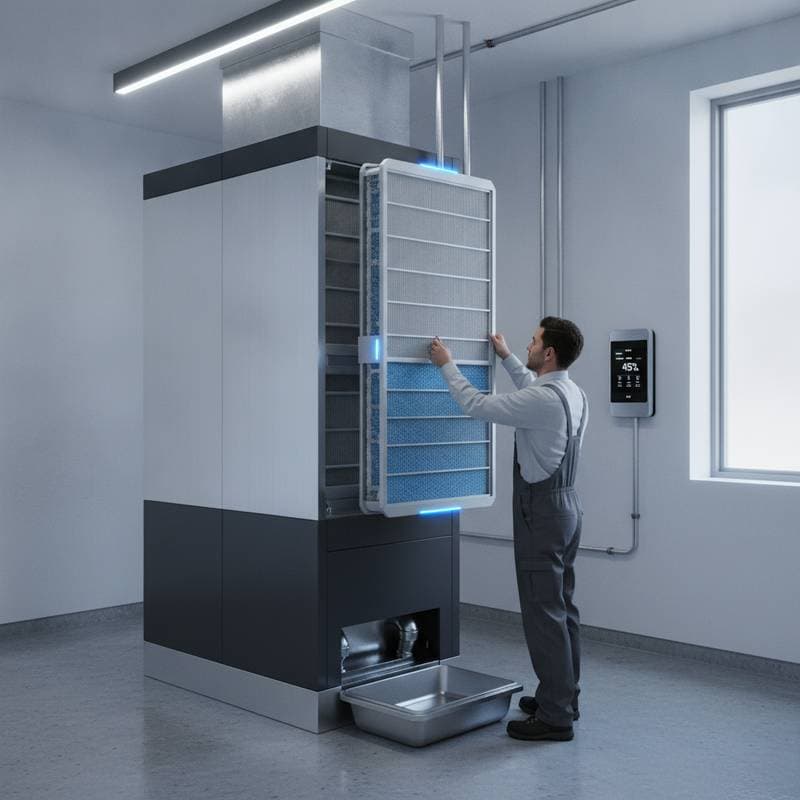
Regular upkeep plays a crucial role in maintaining low noise levels and extending system life. Cleaning condenser coils and fan blades every three months prevents debris buildup that amplifies sounds. Tightening loose panels and mounting bolts quarterly reduces rattles and vibrations.
Replacing worn components, including bearings, belts, or fan motors, addresses emerging noise sources. Trimming vegetation around outdoor units improves airflow and minimizes operational strain. Professional tune-ups twice annually detect issues early.
Incorporating vibration isolation pads under units dampens transmitted noise effectively. Inspecting sound blankets for damage or moisture ensures their ongoing performance. These practices not only aid compliance but also boost energy efficiency by up to 15 percent.
- Clean condenser coils and fan blades regularly.
- Tighten loose panels or mounting bolts.
- Replace worn bearings, belts, or fan motors.
- Trim vegetation around outdoor units to improve airflow.
- Schedule professional tune-ups twice a year.
- Use vibration isolation pads beneath the unit.
- Inspect sound blankets for wear or moisture buildup.
Deciding Between Repair and Replacement
Assessing whether to repair or replace hinges on several factors. Systems older than ten years often warrant full replacement due to declining efficiency and rising noise. If repair expenses surpass 40 percent of a new unit's value, replacement proves more economical.
Units with efficiency ratings below 14 SEER for cooling or 8.2 HSPF for heating fall short of modern standards. Persistent noise after maintenance or part swaps signals deeper issues requiring overhaul.
Professionals use diagnostic tools to measure noise and performance accurately. Replacement options focus on quiet, efficient models that exceed regulatory thresholds. Repairs suit newer systems with isolated problems, preserving investments while achieving compliance.
Strategies to Minimize Compliance Expenses
Proactive planning reduces the financial impact of these regulations. Initiating upgrades before the 2026 deadline avoids rushed work and premium pricing. Manufacturer rebates for low-noise, high-efficiency units can offset 10 to 30 percent of costs.
Bundling services like duct cleaning, insulation, and noise retrofits streamlines projects and negotiates better rates. Obtaining quotes from at least three certified installers fosters competitive pricing. Local incentives for energy-efficient installations provide additional savings through tax credits or grants.
Off-season scheduling, typically fall or spring, lowers labor costs by 15 to 25 percent. Partial retrofits, such as adding sound blankets or isolators, suffice for systems near compliance, avoiding full replacements.
- Plan upgrades early before enforcement begins.
- Seek manufacturer rebates for high-efficiency, low-noise units.
- Bundle services such as duct cleaning and insulation work.
- Compare multiple quotes from certified installers.
- Check local incentives for energy-efficient replacements.
- Schedule installation off-season for discounted labor rates.
- Choose partial retrofits like sound blankets if full replacement is unnecessary.
Frequently Asked Questions
What decibel limits apply to residential HVAC systems in 2026?
New residential installations must maintain operations below 45 to 55 decibels at the property line. Local ordinances may impose stricter thresholds, so verify with municipal guidelines.
Do existing systems require immediate replacement?
Replacement occurs only if systems exceed limits post-inspection or after significant repairs. Many achieve compliance through targeted adjustments like insulation or mounting changes.
How do I assess my system's noise output?
Acquire a handheld decibel meter for basic readings or hire professionals for a comprehensive sound audit. Take measurements at the property boundary and near living areas during peak operation.
Are window units and portable air conditioners regulated?
These units follow similar noise rules if their output impacts neighboring properties. Indoor measurements focus on operational decibels, with outdoor effects considered for boundary compliance.
What consequences arise from non-compliance?
Initial responses include warnings and required inspections. Ongoing violations trigger fines starting at $500, escalating to mandatory upgrades or system shutdowns in severe cases.
Which HVAC systems offer the lowest noise profiles?
Ductless mini-splits and inverter-driven heat pumps operate below 45 decibels outdoors, providing quiet performance ideal for noise-sensitive areas.
What timeline should I expect for upgrades?
Residential compliance projects span one to three days for modifications or replacements. Commercial efforts may extend to a week, factoring in coordination and testing.
Preparing Your Property for Quieter Operations
Addressing HVAC noise regulations enhances comfort and property value while meeting legal obligations. Start with a professional evaluation to identify specific needs and costs. Implementing maintenance routines and strategic upgrades positions your system for long-term efficiency and minimal disturbances.
Quieter environments support better rest and productivity, aligning with broader community benefits. Contact licensed HVAC experts today for tailored assessments and free estimates to navigate these changes confidently.