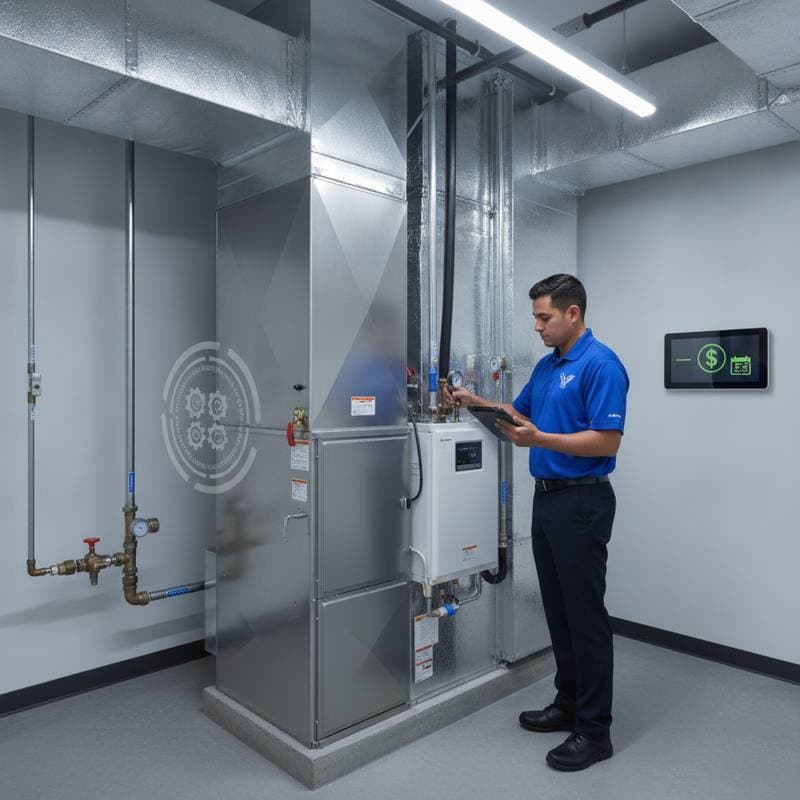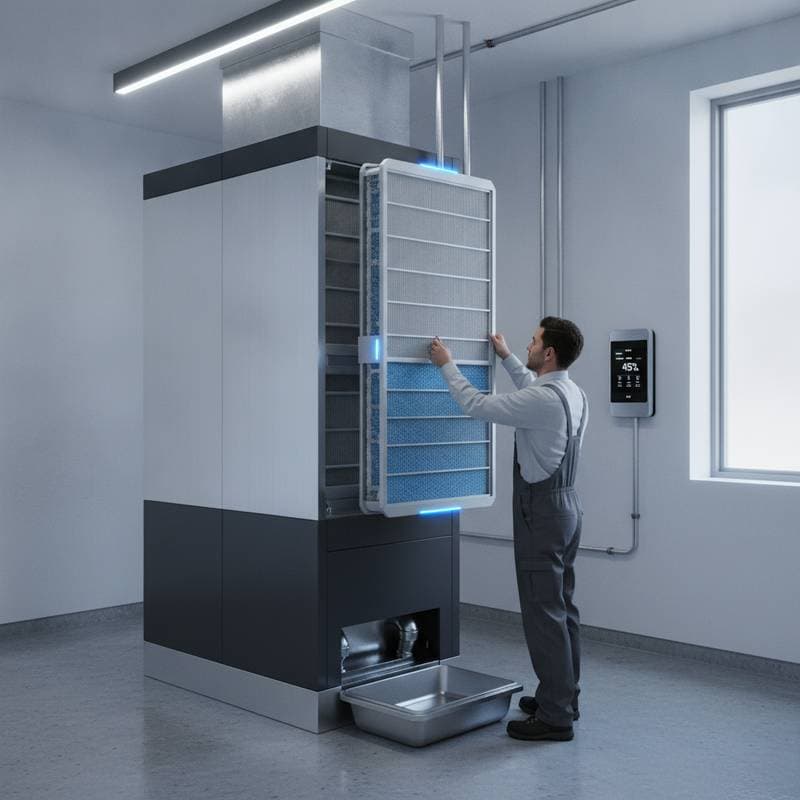
In regions with extreme weather, HVAC systems endure heavy demands, leading to faster wear and higher repair costs. A typical system installation ranges from $7,000 to $12,000, factoring in unit size, efficiency ratings, and brand quality. Monthly plans distribute this expense while including service perks, yet upfront payment grants full ownership and potential rebates.
The Core Decision: Affordability Meets Long-Term Value
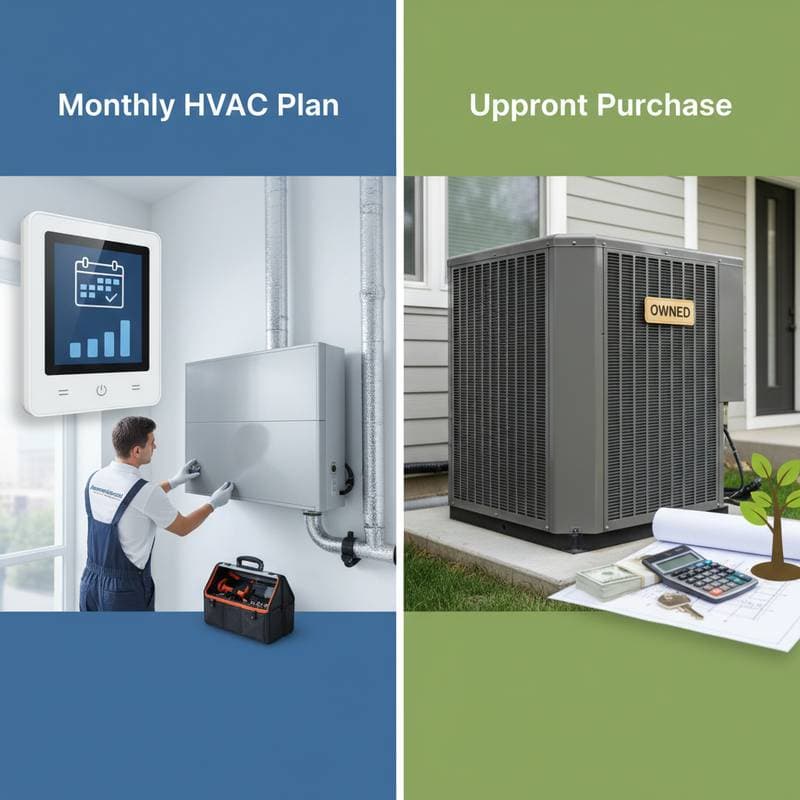
The dilemma centers on balancing accessible entry with sustained benefits. Monthly plans appeal to those seeking steady costs without depleting savings. Upfront options suit individuals prioritizing equity and energy savings over time.
From extensive field experience, the optimal path depends on factors like residency duration and maintenance preferences. Homeowners who remain in their property long-term often realize greater returns from ownership.
Mechanics of Monthly HVAC Plans
Monthly HVAC plans function as subscription services that finance installation over time, typically spanning five to ten years. These arrangements cover:
- Installation of the full system, including ductwork if needed.
- Biannual maintenance inspections to optimize performance.
- Priority scheduling for any repairs.
- Extended warranties on parts and labor.
Participants pay a fixed fee, often $100 to $250 monthly, based on system capacity and add-ons like air quality enhancements. Some providers include system replacement if failures occur within the term.
This structure delivers ongoing support, akin to a comprehensive service package. Homeowners gain reliability without managing service logistics themselves.
Benefits of Upfront Payment
An upfront purchase demands a substantial initial outlay but establishes complete ownership from day one. Owners select independent technicians for maintenance and access manufacturer incentives, such as rebates for high-efficiency models.
Such systems, boasting SEER ratings above 16 or AFUE over 95 percent, reduce energy consumption by 20 to 30 percent annually. Over a decade, these efficiencies translate to thousands in utility savings. Professionals advise this approach for stable households, as it enhances property value and minimizes recurring fees.
Side-by-Side Evaluation
Assess each method against personal finances, lifestyle, and risk appetite to determine the superior fit.
Monthly Plans: Strengths and Limitations
Strengths:
- Minimal upfront expense enables timely upgrades.
- Integrated maintenance averts surprise repair bills.
- Coverage for replacements during the contract term in select programs.
Limitations:
- Potential lack of ownership in rental configurations.
- Cumulative payments may surpass outright costs.
- Penalties for early contract exit.
For residents in high-humidity areas with frequent system strain, monthly plans ensure uninterrupted operation and budget stability.
Upfront Purchases: Strengths and Limitations
Strengths:
- Absolute ownership without perpetual commitments.
- Maximized savings potential through rebates and efficiency.
- Liberty to choose service providers.
Limitations:
- Heavy initial financial burden.
- Separate budgeting for upkeep and fixes.
- Absence of built-in replacement safeguards.
Long-term residents benefit most, controlling costs and capturing all performance gains.
Quantifying the Financial Impact
Consider a $9,000 system installation. A monthly plan at $180 per month, inclusive of services, accumulates to $10,800 over five years. In contrast, an upfront buy, plus $300 yearly for tune-ups, totals around $8,500 after five years, yielding $2,300 in net savings.
Predictable payments justify the premium for those valuing cash flow over total expenditure. As technician Luis Moreno notes, "A subscription plan can be a smart bridge for families who need comfort now but want to avoid financing stress later."
Key Factors to Evaluate
Before committing, analyze these elements:
- Residency Timeline: Short stays favor subscriptions to sidestep residual expenses; extended plans reward ownership.
- Financial Liquidity: Monthly options preserve reserves; upfront builds asset value swiftly.
- Service Discipline: Subscriptions enforce routine care for neglectful owners.
- Warranty Details: Scrutinize inclusions for parts, labor, and exclusions.
- Efficiency Targets: Seek systems with superior SEER or AFUE ratings eligible for incentives.
Confirm provider credentials, including licensing and insurance, to ensure compliance. Reputable sources connect users with qualified experts for tailored financing advice.
Securing Optimal Comfort and Value
Both monthly plans and upfront payments achieve dependable home climate control paired with fiscal prudence. Select subscriptions for service integration and payment ease. Choose ownership for enduring savings and flexibility.
The ideal selection aligns with individual needs, fostering regret-free comfort. Consult certified HVAC specialists to obtain quotes, assess units, and secure a strategy suited to your residence and resources.
Frequently Asked Questions
What is the average lifespan of an HVAC system? Modern units last 15 to 20 years with proper maintenance.
Do monthly plans include duct cleaning? Coverage varies; inquire about specifics during consultation.
Can I switch from monthly to ownership later? Some providers allow buyouts; review contract terms.
How do rebates affect upfront costs? Federal tax credits can offset 30 percent of qualified installations up to $2,000 annually.
Is financing available for upfront purchases? Yes, through banks or manufacturer programs, though interest applies.