Essential HVAC Upgrades Against Wildfire Smoke in 2026
Wildfire smoke travels vast distances and infiltrates homes through tiny gaps. Without proper preparation, heating, ventilation, and air conditioning systems allow fine particles and toxic gases to circulate indoors, compromising air quality and health. Upgrading an HVAC system for enhanced smoke protection generally costs between $450 and $1,200, influenced by filtration types, system features, and additional components such as air purifiers or ventilation controls.
Homeowners benefit from consulting local HVAC professionals who specialize in wildfire smoke defenses. These experts provide tailored assessments and free estimates to match specific needs.
Overview of HVAC Smoke Protection Costs
The following table outlines average costs for common services.
| Service Type | Average Cost |
|---|---|
| High-efficiency filter installation | $100 to $300 |
| Whole-home air purifier | $200 to $600 |
| Activated carbon filter upgrade | $250 to $700 |
| Smart ventilation controls | $300 to $800 |
| Complete HVAC smoke retrofit | $450 to $1,200 |
Key metrics include a national average of $750, with minimum costs starting at $100 and maximums reaching $1,200. The typical range falls between $450 and $1,000. Data derives from industry research and reported project expenses.
Importance of HVAC Upgrades During Wildfire Season
Wildfire smoke carries PM2.5 particles, minuscule enough to penetrate deep into the lungs. These particles exacerbate asthma, allergies, and other respiratory issues. Standard HVAC filters fail to trap such tiny contaminants, making specialized filtration and ventilation upgrades vital. Systems designed for smoke resistance help maintain indoor air purity amid hazardous outdoor conditions.
Breakdown of Costs by Upgrade Type
Upgrades vary in scope and expense. The table below details options, ranges, and benefits.
| Upgrade Type | Typical Cost Range | Description |
|---|---|---|
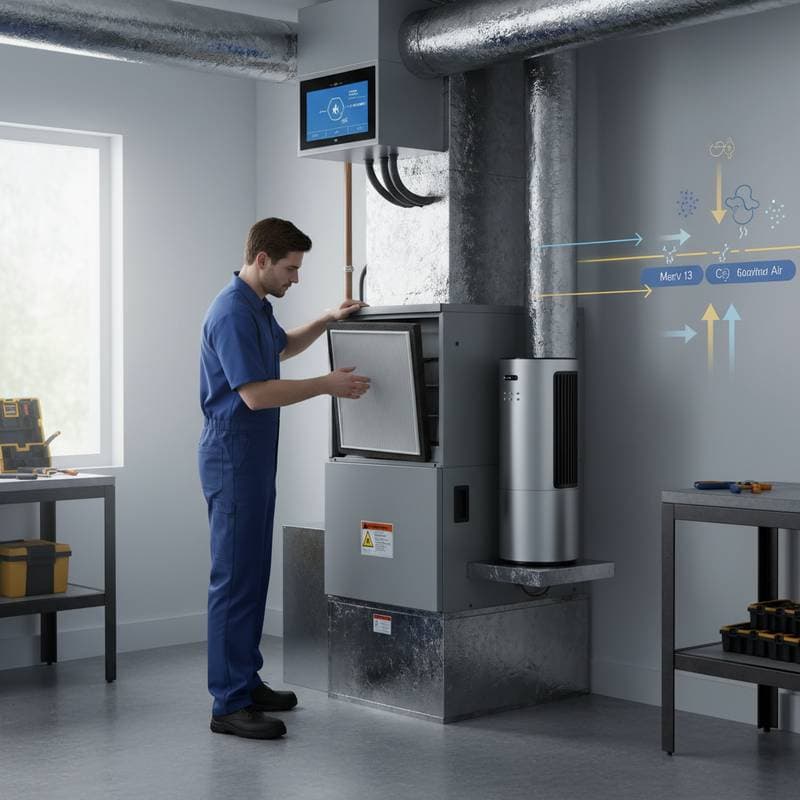
| MERV 13 or higher filter | $100 to $300 | Captures fine smoke particles and allergens |
| HEPA filter retrofit | $400 to $900 | Delivers hospital-grade particle removal |
| Activated carbon filter | $250 to $700 | Absorbs odors and volatile organic compounds |
| Whole-home air purifier | $200 to $600 | Boosts filtration and neutralizes pollutants |
| Smart thermostat with air quality sensors | $300 to $800 | Automates airflow adjustments during smoke events |
Labor and Material Expenses
Labor accounts for 30 to 40 percent of total costs, ranging from $150 to $400. Materials comprise 60 to 70 percent, typically $300 to $800. Modifications to ducts or electrical additions for purifiers and sensors elevate labor fees. Advanced filters and units rely on specialized technology, driving up material prices.
Influence of System Size and Complexity
Larger residences and multi-zone setups demand more filters and bigger purifiers, potentially doubling material expenses. Single-zone homes often complete upgrades below $500. Systems with multiple air handlers approach $1,200 due to expanded requirements.
Factors Influencing HVAC Smoke Filtration Costs
Several elements determine final expenses.
- Filter efficiency rating: MERV 13 or higher ratings trap more particles but increase costs and may necessitate fan enhancements for airflow.
- System age and compatibility: Older units resist high-efficiency integrations, adding $200 to $400 in retrofit labor.
- Air purifier technology: HEPA or carbon systems offer top performance against smoke, exceeding costs of ionizers or UV alternatives.
- Home size and duct design: Extensive or intricate ducts require extra filters or purifiers for uniform air quality.
- Installation labor rates: Regional differences apply, with urban zones pushing totals to $1,200.
- Seasonal demand: Peak wildfire periods inflate prices due to heightened requests.
- Energy efficiency objectives: Pairing filtration with smart thermostats or sensors adds $200 to $500.
- Brand choices: Premium options with carbon composites or medical-grade HEPA raise costs by 20 to 40 percent.
Additional Expenses to Anticipate
Homeowners encounter related services that ensure optimal performance.
- Pre-installation inspection: $75 to $150 assesses ducts and compatibility.
- Filter housing modification: $100 to $250 adapts older slots for larger filters.
- Duct cleaning: $300 to $700 clears existing smoke residue or debris.
- System balancing: $100 to $200 verifies even airflow post-upgrade.
- Emergency service calls: $150 to $350 addresses issues during active fires.
These steps support the system under increased filtration demands, preventing airflow restrictions.
Maintenance Strategies for Smoke-Resistant HVAC Systems
Consistent upkeep preserves filter efficacy and prolongs equipment life. Follow these practices:
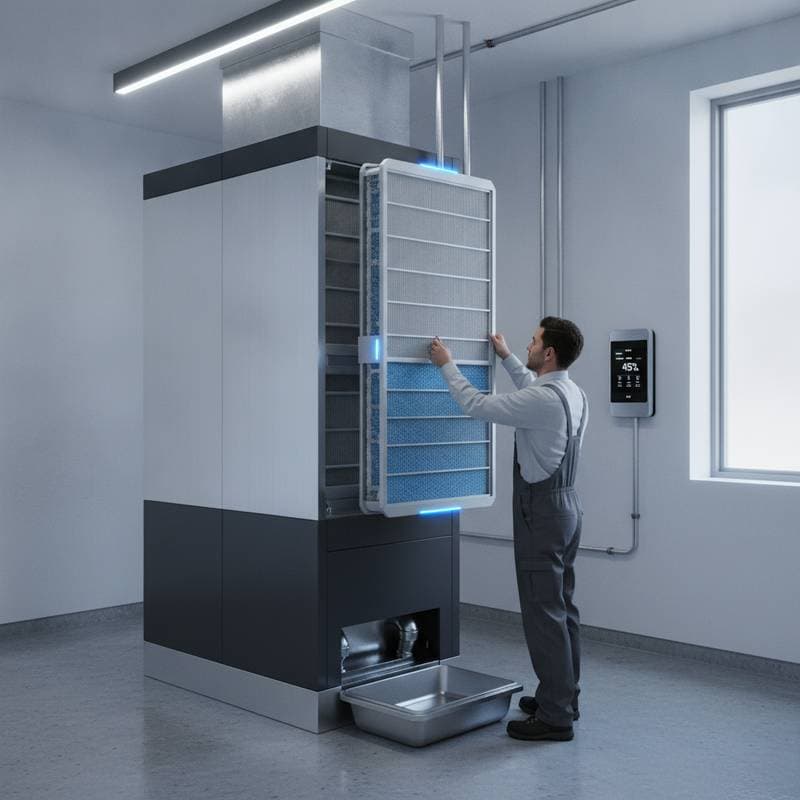
- Replace MERV 13 or HEPA filters every 60 to 90 days in wildfire season.
- Clean or swap activated carbon filters when odors linger.
- Arrange biannual professional inspections to evaluate pressure and airflow.
- Clear outdoor condenser units of ash and debris.
- Employ smart thermostats with air quality monitors to activate filtration automatically in smoky weather.
Such routines avert efficiency losses and sustain performance during smoke exposure.
Deciding Between Repairs and Replacement
If an existing system falters in air purity or airflow with new filters, consider full replacement for long-term savings. Units over ten years old often lack sufficient fan strength for dense filters. Repairs like blower adjustments or duct sealing range from $150 to $500. New installations begin at $5,000 and incorporate advanced filtration capabilities.
Strategies to Reduce Upgrade Expenses
Homeowners lower costs through informed choices.
- Obtain quotes from several contractors to secure competitive rates and quality.
- Inquire about rebates for energy-efficient or intelligent systems.
- Time installations for off-season periods to sidestep demand-driven fees.
- Incorporate washable pre-filters to prolong high-end filter durability.
- Bundle upgrades like sensors with filtration for bundled savings.
- Join maintenance programs covering replacements and checks.
- Explore municipal or utility incentives for clean air improvements.
These approaches cut expenses by 10 to 20 percent.
Common Questions About HVAC Smoke Protection
How much does it cost to safeguard an HVAC system from wildfire smoke?
Homeowners typically invest $450 to $1,200 in upgrades, encompassing filters, purifiers, and modifications.
Which filter rating suits wildfire smoke best?
MERV 13 or higher effectively captures most particles. HEPA options excel but demand system adjustments.
Is an existing HVAC system suitable for smoke filtration?
Most systems work, though older ones face resistance issues. Professionals verify compatibility prior to upgrades.
Do air purifiers assist with wildfire smoke?
Whole-home units with HEPA and carbon excel at particle capture and odor elimination beyond basic filters.
How frequently should filters change in wildfire season?
Every 60 to 90 days, or immediately upon detecting airflow decline or odors.
Do smart technologies aid smoke management?
Thermostats with sensors heighten filtration response to poor outdoor air, maintaining indoor cleanliness effortlessly.
Does HVAC upgrading enhance energy efficiency?
Clean filters and balanced airflow lessen blower strain, promoting efficient runs and reduced bills.
When is the ideal time for wildfire protection installations?
Before season onset, when contractors offer greater availability and potentially lower rates.
Is duct cleaning necessary after intense smoke?
Yes, at $300 to $700, it eliminates recirculating soot, ash, and contaminants.
Can portable purifiers substitute for HVAC upgrades?
Portables supplement but fail to treat entire homes uniformly. Whole-system upgrades provide comprehensive protection.
Steps to Secure Your Indoor Environment
Prioritize HVAC enhancements to shield against wildfire threats. Professional guidance ensures selections align with home specifics, delivering lasting air quality benefits and health safeguards.