Understanding Dual-Fuel HVAC Systems
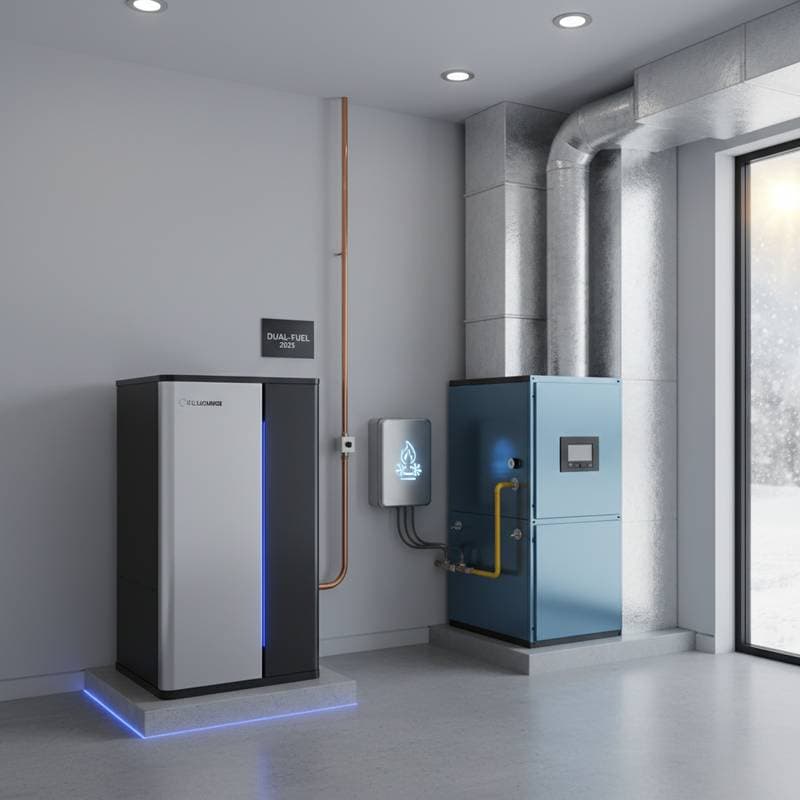
Dual-fuel HVAC systems represent a hybrid heating and cooling solution designed for modern homes. These systems combine an electric heat pump, which excels in mild temperatures, with a gas furnace that provides powerful heat during extreme cold. The integration allows for automatic switching between the two components based on outdoor conditions and energy efficiency needs.
This setup addresses the limitations of single-fuel systems. Heat pumps alone may struggle in very low temperatures, while furnaces can be less efficient in moderate weather. By blending these technologies, dual-fuel systems deliver consistent performance while minimizing energy consumption.
Homeowners often select dual-fuel HVAC for its versatility in diverse climates. The system monitors temperature thresholds and fuel costs to choose the most economical option, ensuring optimal operation without manual intervention.
The Mechanics of Fuel Switching
At the core of a dual-fuel HVAC system lies an intelligent control mechanism. Sensors detect outdoor temperatures and compare them to a preset balance point, typically around 30 degrees Fahrenheit. Below this threshold, the gas furnace activates to provide efficient, high-heat output.
Above the balance point, the electric heat pump takes over, drawing from electricity to transfer heat from the outside air into the home. This process uses significantly less energy than generating heat directly, as it moves existing thermal energy rather than creating it anew.
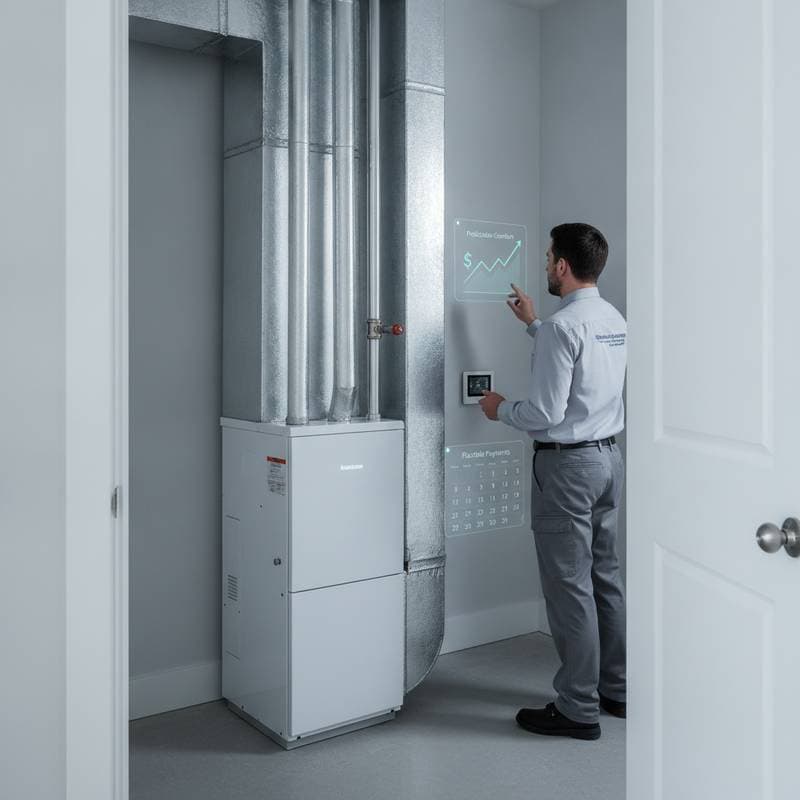
The transition between fuels occurs seamlessly through a thermostat or dedicated controller. Advanced models even factor in utility rates, such as off-peak electricity pricing, to further refine switching decisions. This dynamic operation prevents overuse of any single fuel source, directly contributing to waste reduction.
Achieving a 25 Percent Reduction in Heating Waste
Studies and field tests demonstrate that dual-fuel systems can cut heating waste by up to 25 percent compared to traditional single-fuel setups. Waste in heating often stems from inefficient fuel use during mismatched weather conditions. For instance, running a gas furnace in mild weather burns excess fuel without proportional comfort gains.
In contrast, dual-fuel systems optimize each component's strengths. The heat pump handles 60 to 70 percent of the heating load in moderate seasons, where its coefficient of performance often exceeds 300 percent efficiency. The furnace supplements only when necessary, avoiding standby losses common in always-on systems.
Real-world data from energy audits supports this figure. Homes retrofitted with dual-fuel technology report average savings of 20 to 30 percent on heating bills, with the 25 percent waste reduction aligning closely with overall efficiency improvements. Factors like proper insulation and system sizing amplify these results, making the technology accessible for various home types.
Energy Efficiency and Cost Savings
Efficiency ratings provide a clear measure of dual-fuel HVAC performance. These systems often achieve seasonal energy efficiency ratios above 16, surpassing many standalone units. The hybrid design leverages the low operational costs of electricity in heat pumps while reserving gas for peak demand periods.
Over a heating season, this balance translates to tangible savings. A typical household might reduce annual energy expenditures by several hundred dollars, depending on local fuel prices and climate zone. Long-term, the investment pays off through lower utility bills and potential rebates from energy programs.
Sustainability plays a key role as well. By prioritizing electric heat pumps, which can integrate with renewable energy sources, dual-fuel systems lower carbon footprints. This aligns with broader environmental goals, appealing to eco-conscious homeowners seeking practical green solutions.
Key Efficiency Features
- Automatic Balance Point Adjustment: Customizable settings allow fine-tuning based on regional weather patterns.
- Variable-Speed Compressors: In heat pump mode, these components adjust output to match demand, reducing energy spikes.
- Integrated Zoning Controls: Direct heating to occupied areas, preventing waste in unused spaces.
- Smart Thermostat Compatibility: Enables remote monitoring and predictive adjustments for maximum efficiency.
Adapting to Changing Weather Patterns
Climate variability poses challenges for traditional HVAC systems. Dual-fuel technology excels in regions with fluctuating temperatures, such as transitional zones between temperate and cold areas. The system's ability to switch fuels ensures reliable heating without efficiency drops.
During shoulder seasons, like fall or spring, the heat pump dominates, extracting ambient heat efficiently. In winter storms, the furnace provides backup, maintaining indoor temperatures above 70 degrees Fahrenheit without strain. This adaptability prevents the common issue of overworking a single system, which leads to premature wear and higher maintenance costs.
For coastal or variable climates, dual-fuel HVAC offers peace of mind. It handles humidity alongside temperature swings, with the heat pump's dehumidification capabilities enhancing overall air quality. Homeowners in these areas report fewer comfort complaints and more even heating distribution.
Installation Considerations and Best Practices
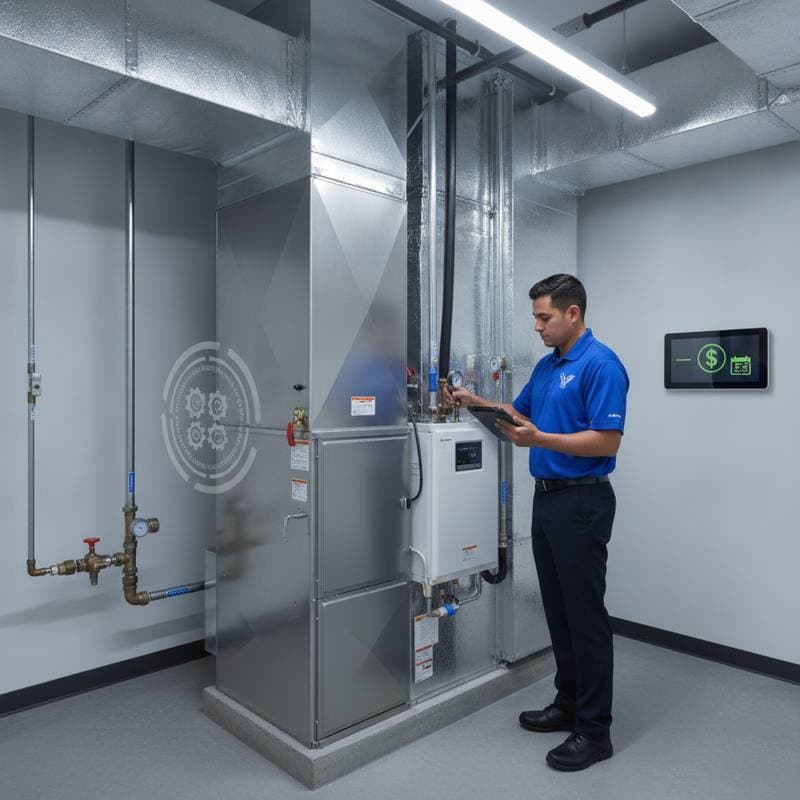
Installing a dual-fuel HVAC system requires professional assessment. Technicians evaluate home size, existing ductwork, and insulation levels to recommend the right configuration. Proper sizing prevents short-cycling, where the system turns on and off too frequently, which erodes efficiency.
The process typically involves integrating the heat pump outdoor unit with an indoor furnace and coil setup. Electrical upgrades may be necessary for the heat pump, while gas lines must meet safety codes. Expect the installation to take two to three days, with costs varying by home complexity.
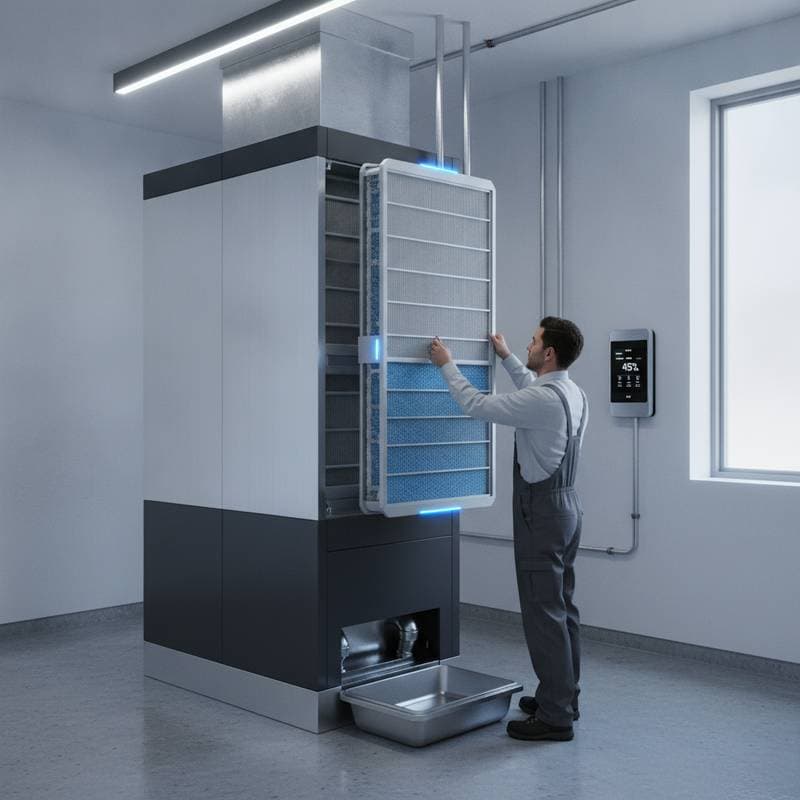
To maximize benefits, pair the system with home improvements. Sealing air leaks and adding insulation can boost overall efficiency by an additional 10 to 15 percent. Regular maintenance, including annual filter changes and coil cleanings, sustains the 25 percent waste reduction over time.
Steps for Successful Implementation
- Conduct an Energy Audit: Identify current inefficiencies to guide system selection.
- Choose Certified Equipment: Look for units with high SEER and AFUE ratings from reputable manufacturers.
- Plan for Incentives: Research local rebates for energy-efficient HVAC upgrades.
- Schedule Professional Installation: Ensure compliance with building codes and optimal performance.
Embracing Dual-Fuel for Future-Proof Comfort
As heating technology evolves, dual-fuel HVAC stands out for its forward-thinking design. Projections for 2025 highlight increased adoption, driven by smarter controls and integration with home automation. This positions the system as a cornerstone for energy-resilient homes.
Homeowners gain not only waste reduction but also enhanced reliability and comfort. The hybrid approach future-proofs against rising energy costs and regulatory shifts toward efficiency. Consider this upgrade if your current system struggles with seasonal demands.
Transitioning to dual-fuel HVAC delivers immediate and lasting value. It transforms heating from a costly necessity into an efficient, adaptive feature of daily life. Evaluate your home's needs today to experience these advantages firsthand.